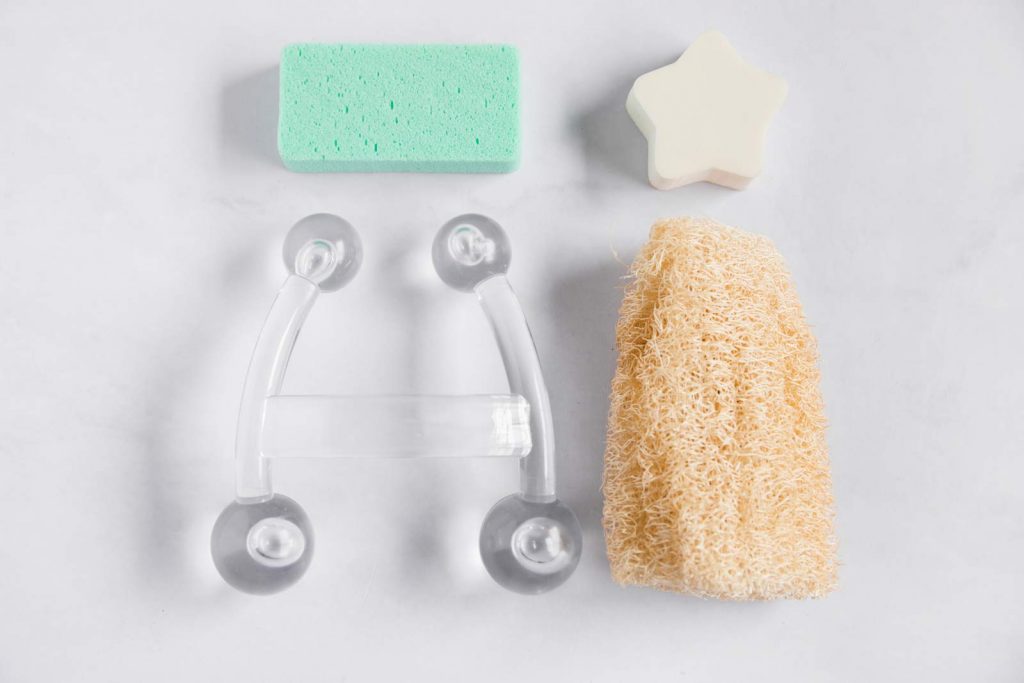
It is made from the fibrous interior of the mature fruit of the Luffa aegyptiaca plant, a member of the cucumber family. In this article, we will explore the history, benefits, and uses of the loofah.
History of Loofah:
The use of loofah dates back to ancient times. Egyptians used it for bathing and the Greeks used it to treat skin disorders. It is believed that the loofah was introduced to Europe in the 17th century, where it became popular for bathing and scrubbing.
Benefits of Loofah:
Loofah is an all-natural, biodegradable, and sustainable alternative to synthetic scrubs. It is hypoallergenic, and gentle on the skin. Loofah also has antibacterial properties and is effective in removing dead skin cells, dirt, and impurities from the skin, leaving it smooth and glowing.
Uses of Loofah:
Loofah can be used in a variety of ways. It is commonly used as a bath sponge or shower scrubber. It can also be used to exfoliate the skin, particularly on rough areas such as elbows, knees, and feet. Loofah is also used in soap making and can be added to bath salts or body washes.
Caring for Loofah:
To ensure that your loofah lasts as long as possible, it is important to care for it properly. After each use, rinse the loofah thoroughly with clean water and allow it to air dry. You can also soak it in a solution of equal parts water and vinegar to disinfect it. Replace your loofah every two to three months to ensure that it remains hygienic and effective.
In conclusion, loofah is a natural, sustainable, and effective way to exfoliate and clean the skin. With its antibacterial properties and gentle scrubbing action, it is a great addition to any skincare routine. So, the next time you are looking for a natural alternative to synthetic scrubs, consider giving loofah a try.