Creative Speech Therapy
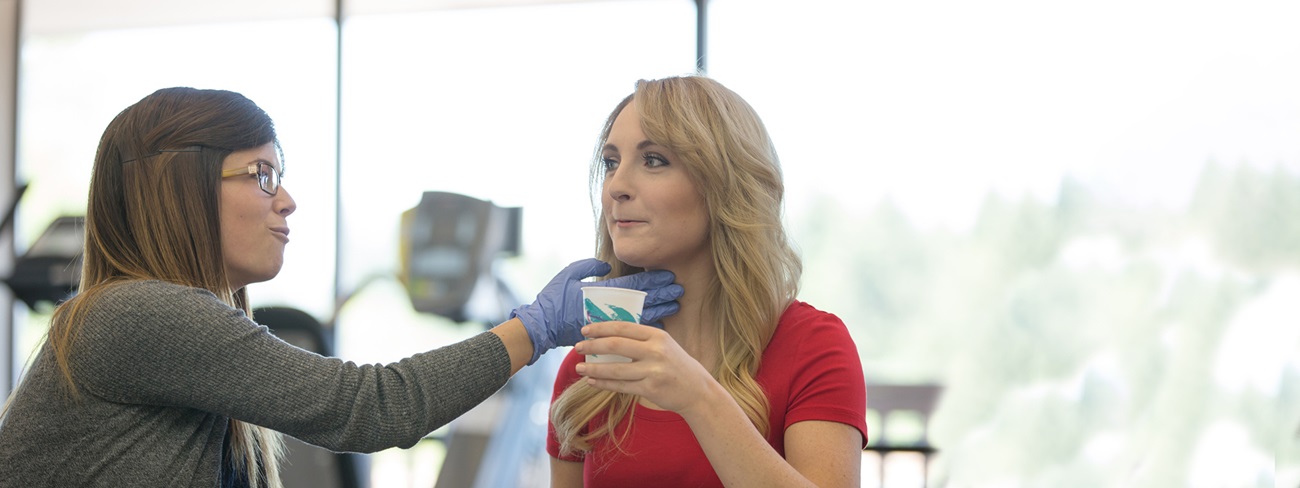
Speech therapy is an intervention designed to help people with communication, speech and language skills. Traditional speech therapy techniques are used to improve specific skills such as articulation, voice and fluency. Speech therapists also use creative methods to enhance the effectiveness of these traditional techniques. Creative speech therapy uses innovative and modern techniques in order to help patients make lasting and meaningful progress.
Creative speech therapy often incorporates storytelling, dramatic play and metaphors. In some cases, therapists use art and music to engage the patient and create a more interesting and stimulating environment. Therapists may design their own tools, such as card games, to encourage active involvement from the patient. According to some studies, creative techniques often have a greater positive impact on the patient's outcome.
Innovative Speech Therapy
More and more, therapists are actively looking for new and innovative techniques to enhance their therapy sessions. There are several advances in speech therapy that are now being used to improve patient outcomes.
One such technique involves using biofeedback. Patients use sensors that can pick up the slightest minute changes in their body and display them on the therapist’s computer screen. The therapist can then evaluate the data and offer immediate feedback to the patient to adjust their behavior. This helps patients develop better monitoring and control of their own speech.
Many speech therapists also employ virtual reality technology. This technology creates a simulated environment where the patient can practice concrete, measurable speech activities. For instance, a patient might practice taking turns in a conversation with a virtual person. They can experiment with how they interact in different social scenarios and become more confident in their communication skills.
Speech therapists are also exploring the usage of artificial intelligence, such as virtual agents,robots and smart home devices, to reduce the time it takes to provide feedback and give personalized tailored interventions for their clients.
Speech Therapy Solutions
No matter the type of speech therapy being used, the primary goal is to help patients improve their communication and speaking ability. Therapists use a variety of interventions to achieve this. Relaxation and breathing techniques may be used to help the patient cope with their feelings so they can focus on their speech. Language stimulation and structured activities are also used to increase language and communication skills.
In some cases, therapists also provide language, speech and social skills courses that can be taken outside of the therapy session. For instance, a patient might learn about proper pronunciation and stress placement when speaking, practice conversations and role play in social situations, or work on their nonverbal signals.
No matter what type of speech therapy techniques are used, the ultimate goal is to improve the patient's skills and help them achieve greater independence in interacting with others. With innovative techniques, patients can make more meaningful gains and have positive results that have lasting effects.