

What Causes a Main Sewer Line Blockage?
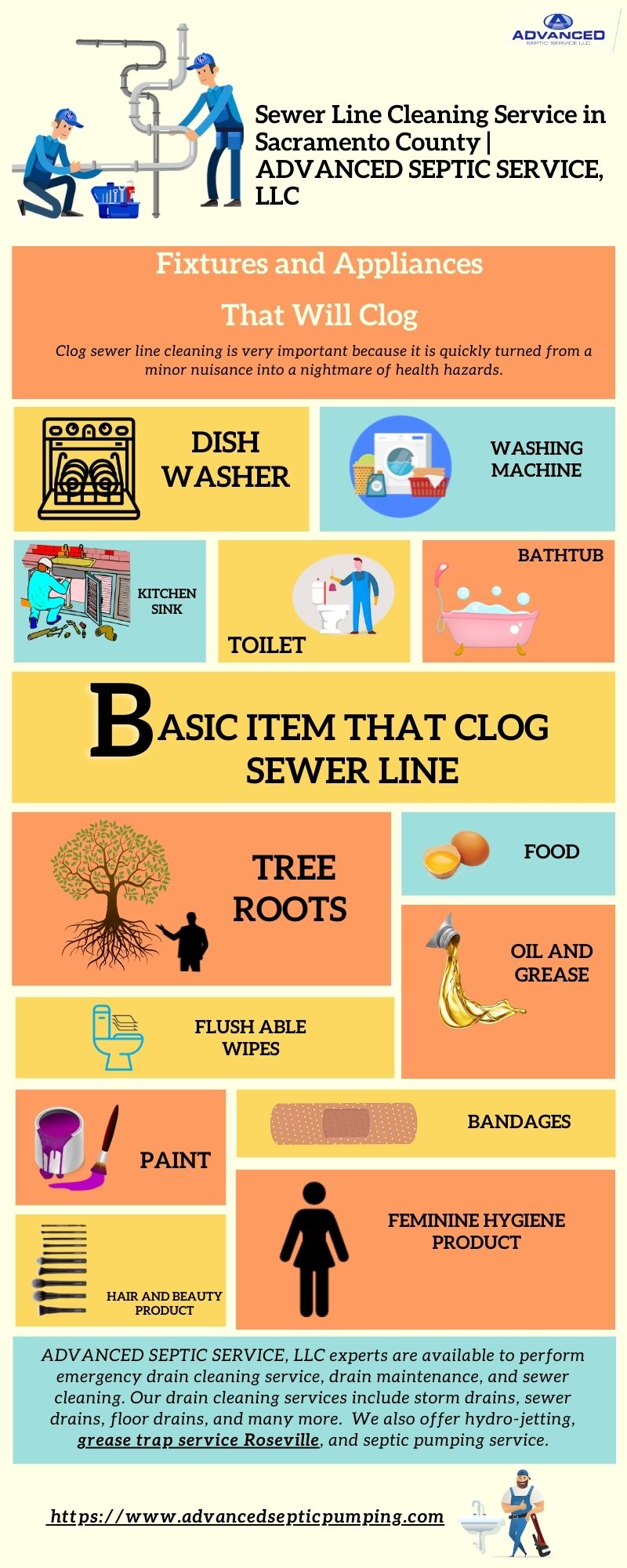
A main sewer line blockage can be caused by a variety of things, including tree roots, debris, grease buildup, and flushing items down the toilet that aren’t meant to be flushed. If a blockage is not taken care of promptly, it can cause more serious problems and expensive repairs.
Signs of a Sewer Line Blockage
The signs of a blocked sewer line can vary, although a common indication is experiencing several clogged toilets in one’s home. Other signs include slow draining water, gurgling sounds in drains, noticeable odors coming from the drains, and multiple drains bubbling when only one is being used. If a blockage is suspected, it is important to act immediately as it can worsen over time.
Using Professional Equipment to Unclog a Sewer Line Blockage
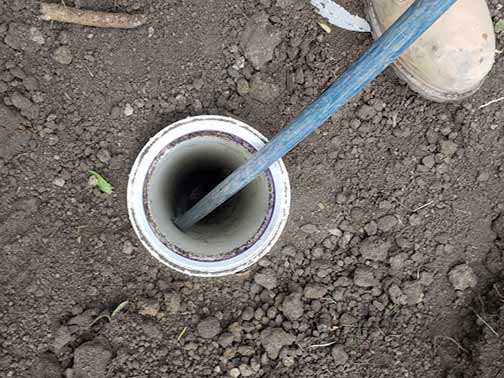
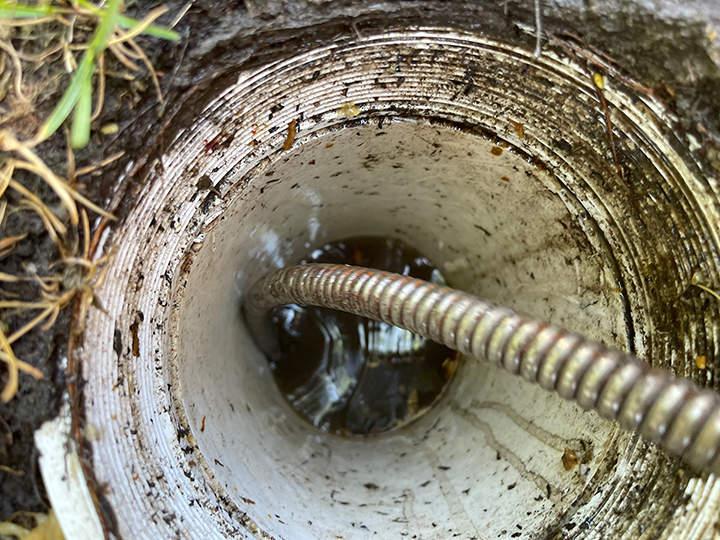
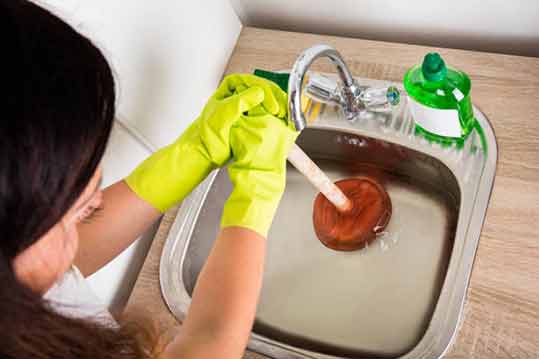
If the blockage is minor, a plunger may be used to clear the line. Both a rodding machine and a hydro jet service, which can be rented or bought, are common professional tools used to clear out clogs. The auger works to break up clogs and blocks in the pipe by sending sharp blades along a plumbing line. This allows them to shred and break up blockages. A hydro jet uses pressurized water to clean out the lines, and it can be used on a wide variety of pipes.
Using Household Items to Unclog Sewer Line Blockages
Using a combination of household items is an effective way to unclog a sewer line blockage. Boiling two cups of vinegar and one cup of baking soda can be poured down the clogged drain. Once the boiling mix has been poured, one should wait five minutes before pouring some warm tap water down the drain. This combination is an effective way to clear out clogs.
A mixture of dish soap and hot water can also be used to clear a clog. The hot water should be combined with a cup of Dawn dish soap and poured down the drain. The hot water combined with the soapy solution will break up the blockage and remove it from the pipes.
Preventing Sewer Line Blockages
The first step for preventing sewer line blockages is to call a plumber or specialist to perform a sewer camera inspection. This will allow a specialist to identify any potential problems within the sewers and run preventative work, such as root cutting services, to ensure that serious clogs are not formed.
It is also important to avoid flushing anything down the toilet unless it is meant to be flushed. Items such as paper towels, feminine hygiene products, and food scraps should be thrown in the trash instead. Finally, regular sewer cleanings should be conducted every two to four years. This will help to keep the sewer line free of grease, roots, and debris.
Conclusion
In summary, a main sewer line blockage can be caused by a variety of factors, including tree roots, grease buildup, and flushing items down the toilet that aren’t meant to be flushed. If a blockage is suspected, it is important to act immediately as it can worsen over time. Professional equipment, such as an auger and hydro jet, can be used to unclog the line, as well as a mixture of boiling vinegar, hot water and dish soap from one’s home. Finally, calling a specialist to perform a sewer camera inspection, avoid flushing items that are not meant to be flushed and conducting sewer cleanings every two to four years can all help to prevent blockages from forming in the future.

ADVANCED SEPTIC SERVICE, LLC experts are available to perform emergency drain cleaning service, drain maintenance, and sewer cleaning.
Our drain cleaning services include storm drains, sewer drains, floor drains, and many more.
We also offer hydro-jetting, grease trap service Roseville, and septic pumping service.