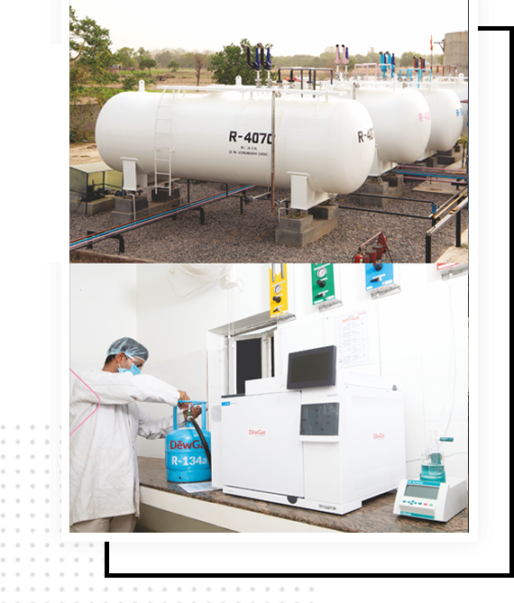
The world is shifting towards environmentally friendly solutions in all sectors, and the HVAC industry isn't an exception. One of the primary aspects of this transition is the adoption of 410A refrigerant. A substitute for R22, the 410A refrigerant is gaining recognition for its eco-friendly traits. But why is it environmentally friendly? Let's delve into the intricacies and understand the green benefits of using 410A refrigerant.
R410A Refrigerant: A Brief Overview
Before we dive into the environmental benefits of 410A, it's crucial to understand what it is. 410A, also known as Puron, is a blend of hydrofluorocarbons (HFCs), namely difluoromethane (R32) and pentafluoroethane (R125). This combination does not contribute to ozone depletion, making it an eco-friendly choice.
Zero Ozone Depletion Potential
Unlike its predecessor R22, which is a hydrochlorofluorocarbon (HCFC) with a high Ozone Depletion Potential (ODP), 410A has zero ODP. This means it doesn't harm the ozone layer, thus protecting the environment from harmful UV rays.
Lower Global Warming Potential
R410A's Global Warming Potential (GWP) is lower than many other refrigerants. Although not the lowest, it's a step in the right direction and moves towards more sustainable choices in the HVAC industry.
Improved Energy Efficiency
410A refrigerant also enables HVAC systems to operate more efficiently. It absorbs and releases heat more effectively than R22, resulting in less energy consumption and reduced carbon footprint. Consequently, systems that use 410A are better for the environment and more cost-effective for consumers.
Compliance with Global Regulations
Recognising the harmful effects of HCFCs, many nations, including the UAE, have phased out their use. The Montreal Protocol, an international treaty designed to protect the ozone layer, guided this move. Switching to 410A refrigerant aligns with these global efforts, helping countries to meet their environmental commitments.
Preparing for the Transition to 410A Refrigerant
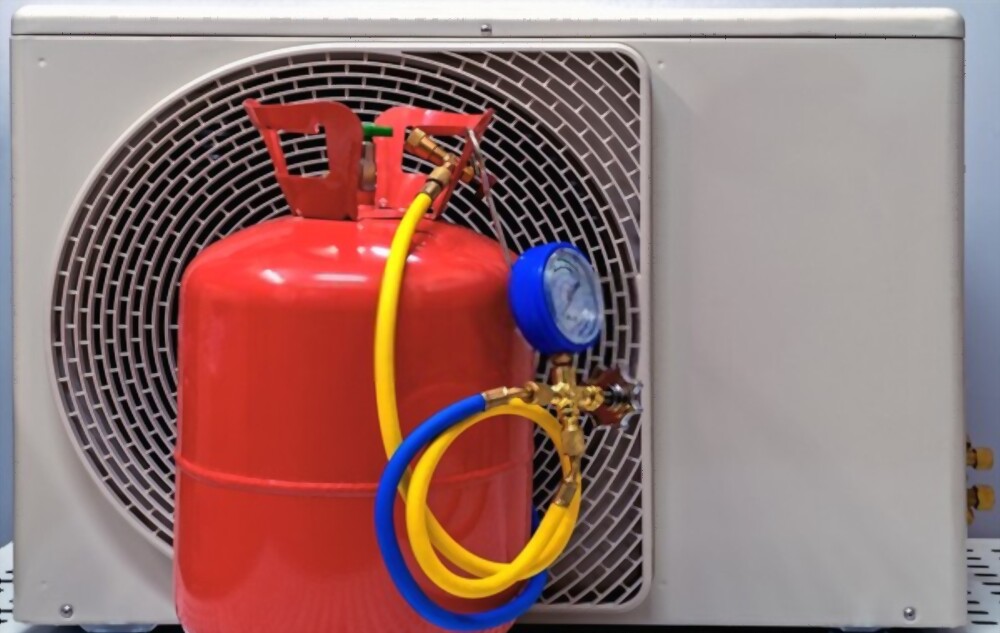
Transitioning to 410A isn't merely an equipment swap. It requires understanding the system changes, such as operating pressures and temperatures, and training personnel to handle the new refrigerant safely. This part of the green journey is as essential as the switch itself.
The Health Benefits
While environmental sustainability is of utmost importance, the health benefits associated with 410A refrigerant should also be mentioned. Since it doesn’t contribute to the depletion of the ozone layer, 410A refrigerant indirectly aids in reducing skin cancers and cataracts associated with increased exposure to the sun’s harmful UV-B radiation.
The Economic Implications
With increased energy efficiency comes the prospect of cost savings. HVAC systems operating on 410A refrigerant tend to use less energy, decreasing electricity costs over the system's lifetime. Additionally, given the global phasing out of R22, its prices are expected to rise due to reducing supply, making 410A an economically sound option.
Challenges and Solutions in Adopting 410A Refrigerant
Transitioning to 410A refrigerant is challenging. The higher working pressures of 410A systems demand adjustments in system design and maintenance practices. Discussing these challenges, alongside viable solutions, could offer a practical guide for those considering the switch.
The Future of R410A
With continual advancements in the HVAC industry, it’s worth discussing the future trajectory of 410A refrigerant. While currently deemed an eco-friendly alternative, research is underway for even more sustainable options with lower GWPs. However, 410A refrigerant will remain popular until such options become widely available and economically viable.
Conclusion
Embracing 410A refrigerant signifies a commitment towards an environmentally friendly future. Its adoption is a positive step forward, protecting the ozone layer, improving energy efficiency, and aligning with global sustainability efforts. Although the journey towards sustainable HVAC practices may have challenges, the benefits to our environment, health, and wallets make it a worthy pursuit. As the HVAC industry continues to evolve, 410A refrigerant will play a significant role in shaping a greener, more sustainable world.
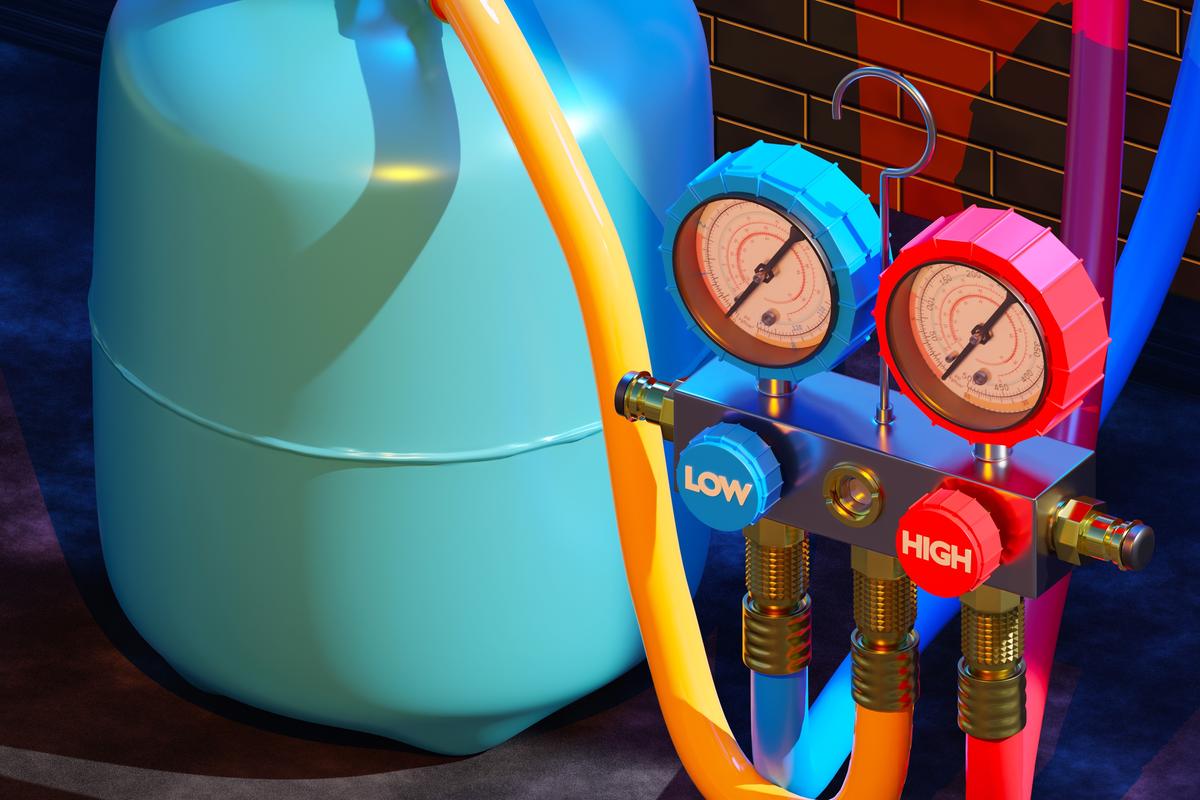
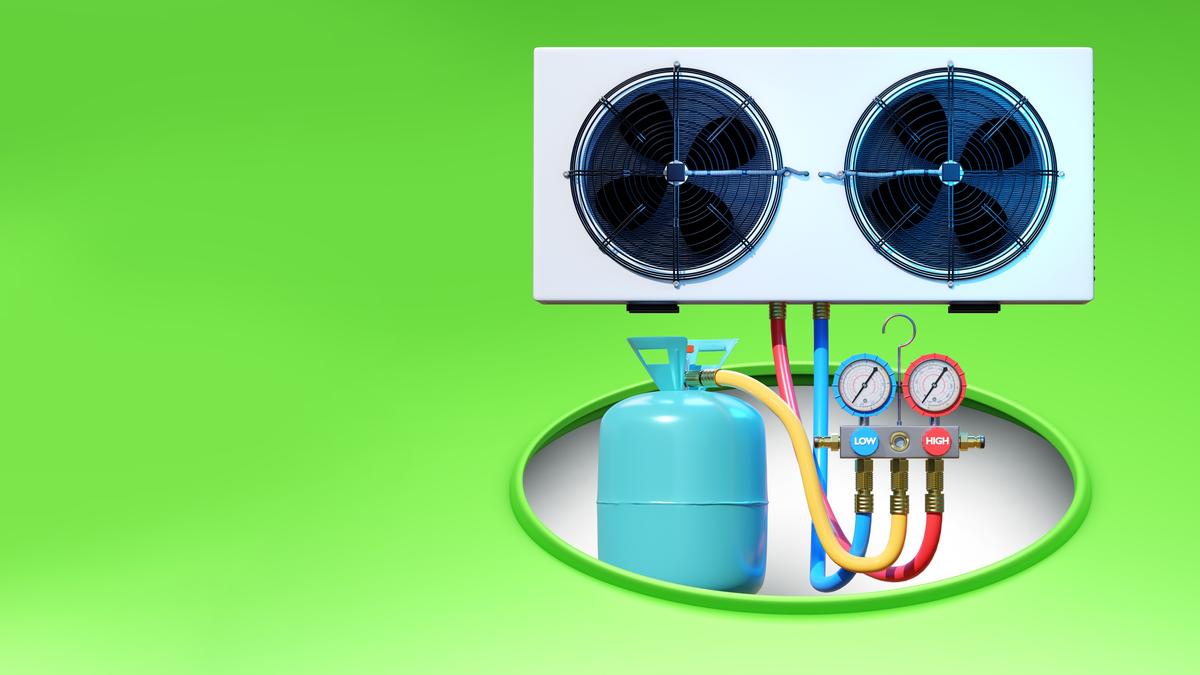
The 410a refrigerant is the leading HFC refrigerant used as a replacement for R-22 in positive displacement residential and heat pump.
The special feature of 410a refrigerant is it uses fluorine for the purpose of refrigeration and hence can be used without any harm to the human lives.
If you are looking for 410a refrigerant, Freeze is your destination.