





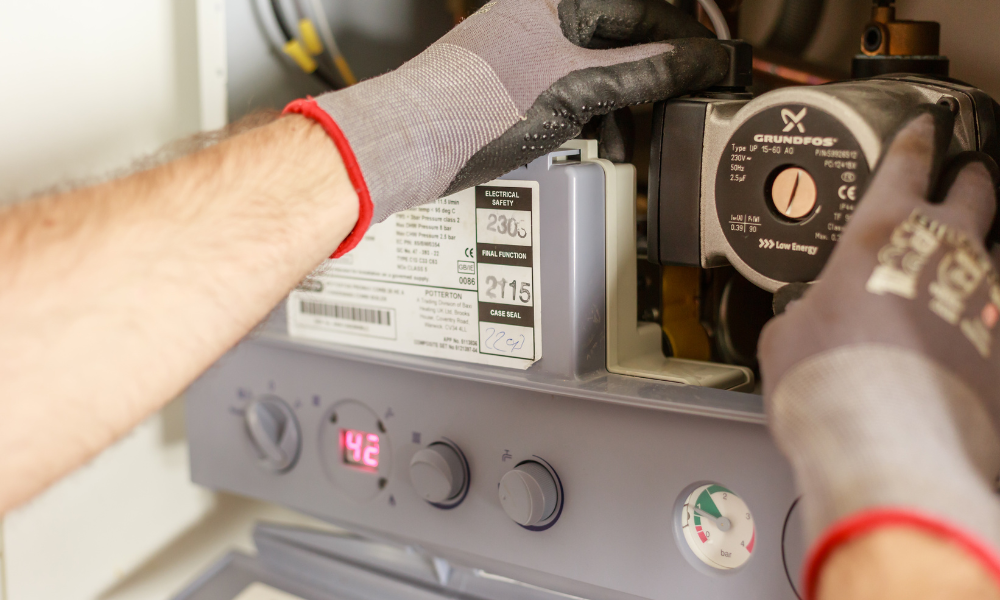
Hot water plays a crucial role in our daily lives when it comes to ensuring a comfortable and functional home. For example, a reliable hot water supply is essential for a relaxing shower or washing dishes. However, hot water tanks have a limited lifespan, and there comes a time when replacement becomes necessary. In this blog post, we will explore the importance of hot water tank replacement, signs that indicate it's time for an upgrade, the different types of tanks available, and the benefits of investing in a new hot water tank for your home.
1. Why Replace Your Hot Water Tank?
Depending on the model and maintenance, hot water tanks are designed to last around 10-15 years. Unfortunately, they become less efficient and prone to leaks and corrosion as they age. By replacing your hot water tank, you can enjoy several benefits, including:
- a) Improved Energy Efficiency: Newer hot water tanks are designed with energy-saving features, which can significantly reduce your utility bills.
- b) Enhanced Performance: A new tank ensures consistent water temperature and pressure, offering a more enjoyable bathing experience.
- c) Increased Reliability: Older tanks are more susceptible to breakdowns, leading to inconveniences and costly repairs. A replacement tank provides peace of mind and reduces the risk of unexpected failures.
2. Signs it's Time to Replace Your Hot Water Tank
Recognizing the signs that indicate your hot water tank is reaching the end of its lifespan is crucial. Keep an eye out for the following indicators:
- a) Age: If your tank is over ten years old, it's a good time to start considering a replacement, even if it's currently functioning well.
- b) Rusty or Discolored Water: If the water from your hot tap appears rusty or discoloured, it could be a sign of tank corrosion.
- c) Leaks or Water Pooling: Puddles of water around your tank or signs of leakage suggest internal damage and the need for replacement.
- d) Inconsistent Heating: A new tank can resolve these issues if your hot water supply is unreliable, with fluctuating temperatures or insufficient quantity.
- e) Strange Noises: Excessive popping, cracking, or rumbling sounds from your tank indicate sediment buildup or aging components.
3. Exploring Hot Water Tank Options
When it's time to replace your hot water tank, you have several options to consider. The most common types include:
- a) Conventional Tanks: These traditional tanks store and heat water continuously, offering an ample supply. They are available in various sizes to accommodate different household needs.
- b) Tankless Water Heaters: Also known as on-demand water heaters, these units heat water directly as it passes through, eliminating the need for storage. They provide endless hot water and are highly energy-efficient.
- c) Heat Pump Water Heaters: These innovative systems use electricity to move heat from the air or ground to heat water. They are more energy-efficient than conventional tanks but require a specific installation location.
4. Benefits of Upgrading to a New Hot Water Tank
Investing in a new hot water tank offers several advantages for homeowners, including:
- a) Energy Savings: Newer tanks are designed to be more energy-efficient, resulting in reduced utility bills and a smaller environmental footprint.
- b) Reliable Supply: A new tank ensures a consistent and reliable hot water supply, eliminating frustrations caused by inadequate or fluctuating water temperatures.
- c) Increased Lifespan: By replacing your old tank, you can enjoy a new unit with an extended lifespan, minimizing the need for frequent repairs or replacements.
- d) Enhanced Safety: Older tanks may pose safety risks due to corrosion or faulty components. Upgrading to a new tank with modern safety features ensures a secure and worry-free hot water system.
- e) Improved Performance: New hot water tanks offer advanced technology for precise temperature control, faster heating times, and better overall performance, resulting in a more satisfying hot water experience.
5. The Hot Water Tank Replacement Process
Replacing a hot water tank is a task best left to professionals, but understanding the general process can help you prepare. Here are the typical steps involved:
- a) Assessment and Sizing: A professional technician will assess your hot water needs and recommend the appropriate tank size for your household.
- b) Removal of Old Tank: The old tank will be removed from the water and power supply and removed from your premises.
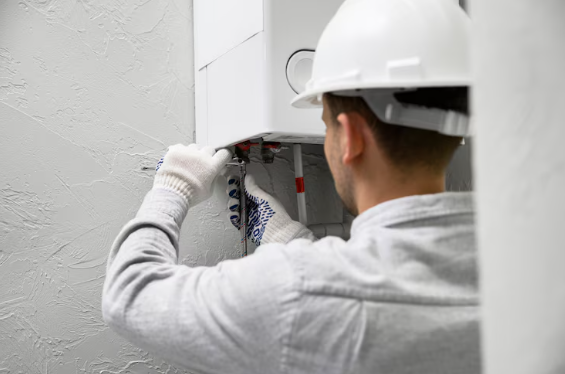
- c) Installation of New Tank: The new tank will be positioned, connected to the plumbing system, and secured according to local building codes.
- d) Testing and Adjustments: The technician will ensure the proper functioning of the new tank, checking for leaks, adjusting temperature settings, and verifying adequate water flow.
- e) Disposal or Recycling: The old tank will be disposed of or recycled responsibly by local regulations.
6. Maintenance Tips for Prolonging Your New Tank's Lifespan
To maximize the lifespan and efficiency of your new hot water tank, follow these maintenance tips:
- a) Regular Flushing: Flushing the tank annually helps remove the sediment buildup, preventing corrosion and improving performance.
- b) Temperature and Pressure Checks: Periodically check the temperature and pressure relief valve to ensure it's functioning correctly.
- c) Insulation: Consider insulating your tank and pipes to minimize heat loss and reduce energy consumption.
- d) Professional Inspections: Schedule professional inspections every few years to assess the tank's condition, identify potential issues, and ensure optimal performance.
Conclusion
A hot water tank replacement is a significant investment that can greatly enhance your home's hot water supply's comfort, efficiency, and reliability. By recognizing the signs of an aging tank, exploring the available options, and hiring professionals for installation, you can enjoy the benefits of a new and improved hot water system. Remember to prioritize regular maintenance to prolong the lifespan of your new tank and ensure its optimal performance for years to come.

Water Heater ServicesBest Budget Boiler and Plumbing Inc. with having certified and professional gas fitter provides you excellent service to replace your gas water heater, tankless or hot water tank repairs and services.
If you need any kind of water heater or tankless, our technicians will install it for you.We carry major’s brands: Navien, Rheem, Johnwood, Bradford WhiteIf your hot water tank is no longer heating like it used to, or worse yet, leaking, then it’s time for a change.
Changing out the tank before it bursts can save you both money, and potential damage to your home.
If your home has suffered some water damage, we can help you with that too through collaboration with a local restoration company, further saving you money.Energy EfficiencyYou’ll be happy to know that even the economy model hot water tanks these days are a lot more energy efficient than they used to be.
All of our models satisfy Energy Star requirements.
We typically install the Bradford White Defender series water heaters with a 92% thermal efficiency.Low PriceWe buy a lot of hot water tanks and that gives us some pretty good pricing with our suppliers.