

What is the Function of a Sump Pump?
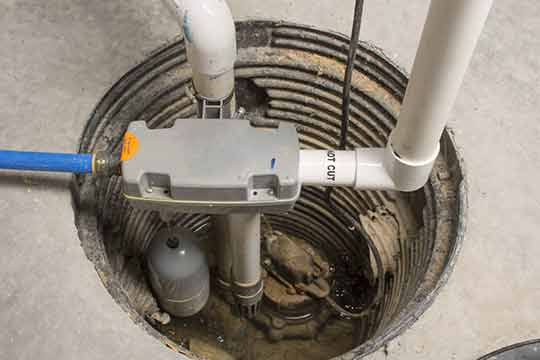
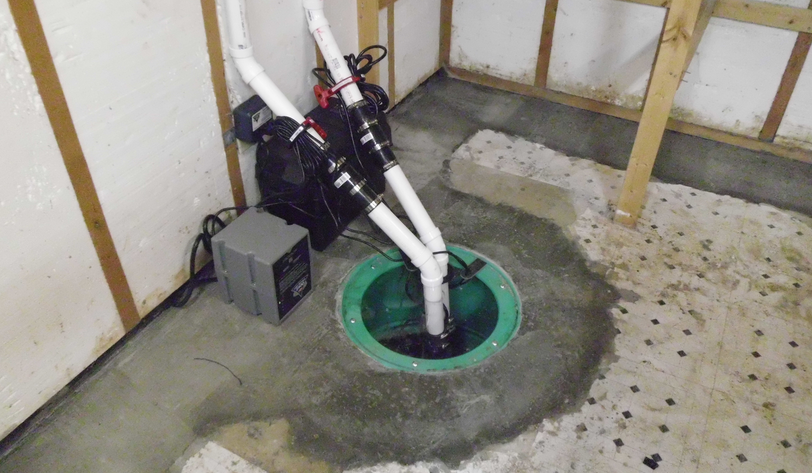
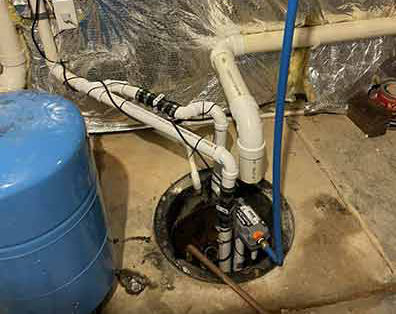
A sump pump is an important tool used by homeowners to keep the basement dry and prevent the buildup of moisture. The sump pump is usually a small, electric device that sits in a basin in the lowest area of the basement. As moisture accumulates in the sump basin, the pump will activate and pump the water away from the house, often outside into the yard or gutter.
Why do I Need a Sump Pump in my Basement?
Sump pumps are a great way to protect your property from water damage and make sure your basement stays dry. When there is a high amount of rain, or even when the snow melts in the spring, the water can start to pool in the basement. This can cause permanent damage to your walls, floors, and other items stored in the basement. With a sump pump, the water is quickly removed from the area and your property can remain safe.
What Are the Benefits of Installing a Sump Pump?
The most obvious benefit of a sump pump is the protection it provides against damages from floods and water. With a sump pump installed, the water is quickly removed from your basement, preventing the buildup of damaging moisture. The installation of a sump pump can also help reduce the presence of mold and mildew in your basement, which can often be caused by standing water and an excess of moisture.
On the financial side, the installation of a sump pump can also help reduce the cost of your home insurance and can even improve the value of your home. Lastly, a sump pump also helps reduce the risk of basement flooding during electrical outages, as the pump runs on electricity.
Understanding the Different Types of Sump Pumps
There are three main types of sump pumps commonly used by homeowners: pedestal sump pumps, submersible sump pumps, and sewage pumps.
Pedestal sump pumps are the simplest and least expensive form of sump pumps. They feature a single motor with an exposed driveline, usually located above the sump basin. Pedestal sump pumps are easy to install and relatively quiet, but they can be a less efficient choice for basements with deeper sump basins.
Submersible sump pumps are electric-powered and submerged in the sump basin. This type of pump is more powerful and efficient than pedestal sump pumps, as the motor is cool during operation and the submergence helps to reduce noise levels.
Lastly, sewage pumps are designed for basements equipped with a septic tank and can move both liquid waste and ground water.
How to Install a Sump Pump
Installation of a sump pump is a relatively simple DIY process or can be completed with the help of a professional plumber. When installing a sump pump, it is important to choose the right type for your basement, and to follow the instructions provided by the manufacturer.
The first step is to choose a sump basin and drill a hole in the wall to the exterior of the house, if necessary. Make sure your sump pump is attached and plugged in, ensuring the electricity is turned off before the pump is connected. The next step is to install the drain hose, which should be connected to the outlet of the sump basin and lead outside to the yard or gutter. Once the hose is installed, you can fill the basin with clean water and turn on the power to test the pump.
Conclusion
The main purpose of your humble basement sump pump is to protect your basement from water damage and make sure your basement stays dry. With a sump pump installed, the water is quickly removed from your basement, preventing the buildup of damaging moisture and the presence of mold and mildew. It’s important to understand the different types of sump pumps and to make sure you choose the right one for your basement. Installation is a relatively simple DIY process or can be completed with the help of a local plumber.