




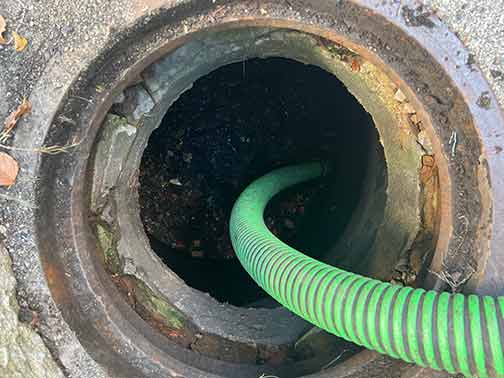
When it comes to maintaining our homes, one of the most overlooked areas happens to be the storm drains. Many homeowners don't realize the importance of cleaning their storm drains regularly. Storm drains are a crucial component of a home's drainage system, and proper maintenance is essential to ensure it functions correctly.
In this article, we will discuss how to identify when storm drains need to be cleaned, including warning signs to look out for, and tips for maintaining them.
What are Storm Drains?
Before discussing how to identify when storm drains need to be cleaned, we should first define what they are. Storm drains are an integral part of a home's drainage system. They are designed to carry away rainwater, ice, and snowmelt, keeping it away from our homes' foundation and basements.
When water is not adequately diverted from your home's foundation, it can cause significant damage, leading to costly repairs. Storm drains help prevent this by carrying the water away from your home's foundation and releasing it safely into a designated area.
Warning Signs your Storm Drains Need Cleaning
Identifying when your storm drains need cleaning can be challenging, especially if you don't know what to look out for. The following are warning signs that your storm drains need cleaning:
1. Accumulated Water on the Street
When your storm drain is clogged, one of the most noticeable signs would be accumulated water on the street. If it continuously rains, and the water on the street isn't subsiding after some time, then that's a strong indication that your storm drain is clogged.
2. Foul Odors
Another sign of a clogged drain is a foul odor emanating from the drain. Foul odors come from stagnant water that hasn't flowed out of your home or property. You may also smell a sewer-like odor coming from your drain, which signals that the clog is particularly severe.
3. Gurgling Sounds
If you hear a gurgling sound coming from your drain, it's a clear sign that your storm drain is backed up. The gurgling sound indicates the water is struggling to flow through the clogged drain, and air is getting trapped in the pipe.
4. Pests and Rodents
Pests and rodents thrive in moist environments, and a clogged drain makes the perfect breeding ground for them. If you notice pests or rodents around your storm drain, then it's an indication that your drain needs cleaning.
Maintenance Tips for Storm Drains
Now that we've identified the warning signs let's move on to discuss how to maintain storm drains properly to prevent blockages and damage that can lead to costly repairs.
1. Regular Cleaning
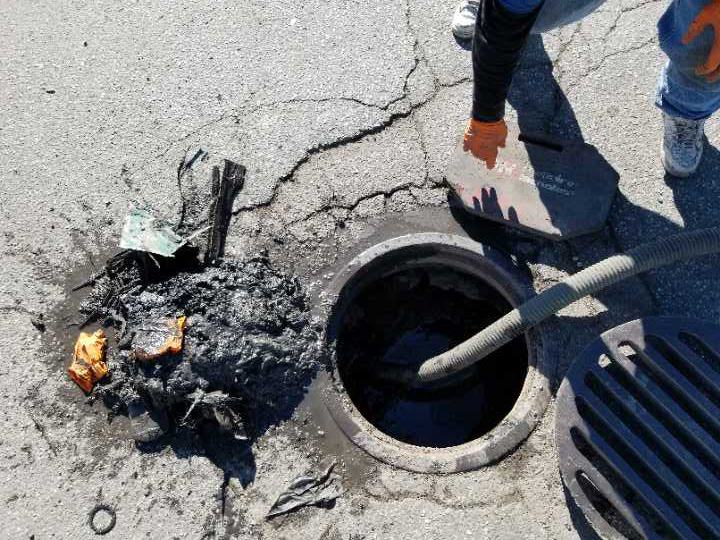
The best way to prevent storm drains from clogging is to clean them regularly. It's recommended to have them cleaned at least once a year, or twice a year if you live in an area with heavy rainfall. Professional drain cleaning plumbers can unclog your storm drains and ensure they're functioning correctly.
2. Inspect your Drains Regularly
Regularly inspecting your storm drains is another effective way of preventing clogs. Once a month, take some time to walk around your property and check your drains for any signs of debris. It's easier to remove debris when it's still small and fresh than when it's accumulated and hardened in your drain.
3. Proper Garbage Disposal
A common reason for storm drain clogs is improper garbage disposal. Garbage like food scraps, grease, and even hair can accumulate in your drains and cause blockages. Dispose of your garbage properly and ensure you're not dumping anything down the drain that could cause clogs.
4. Install Drain Covers
Drain covers are an effective way of preventing debris and other foreign objects from entering your storm drains. The covers trap any debris and allow water to flow freely, reducing the risk of clogs and damage to your drainage system.
5. Monitor Rainfall Levels
Monitoring rainfall levels in your area is another important step in maintaining your storm drains. If you live in an area prone to heavy rainfall, you may need to have your drains checked more frequently, especially during the rainy season. Keep tabs on local weather forecasts and take preventative measures when necessary.
Conclusion
Taking the time to maintain your storm drains is essential to prevent water damage, pest infestations, and costly repairs. Identifying when storm drains need to be cleaned is crucial, and the warning signs covered in this article will help you identify any issues. By regularly cleaning, inspecting, and maintaining your storm drains, you can ensure they're functioning correctly, keeping your home and property safe from water damage.

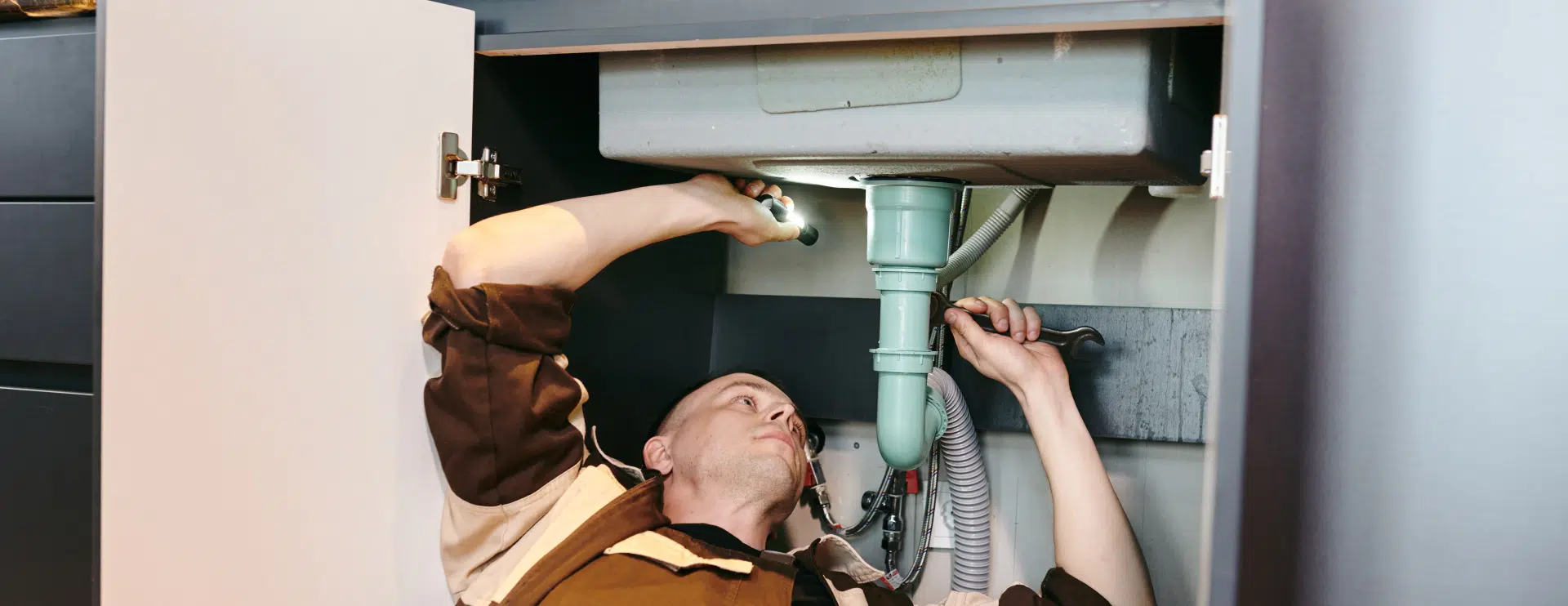
The plumbing services offered by professional plumbers are regarded to be the best.
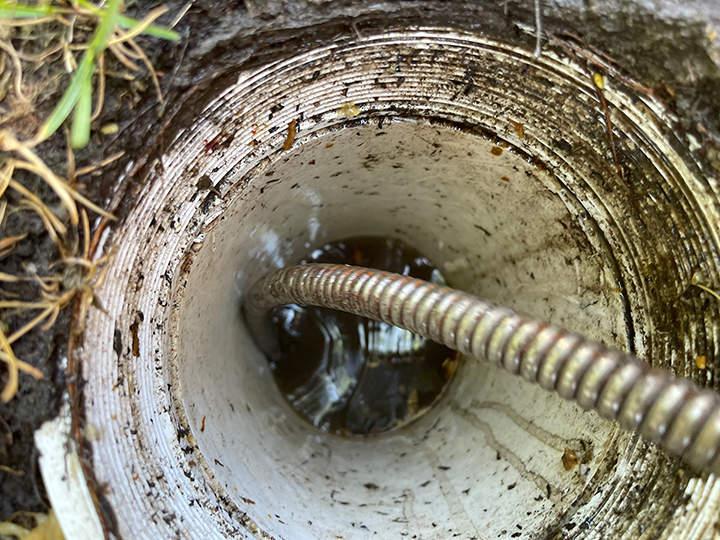
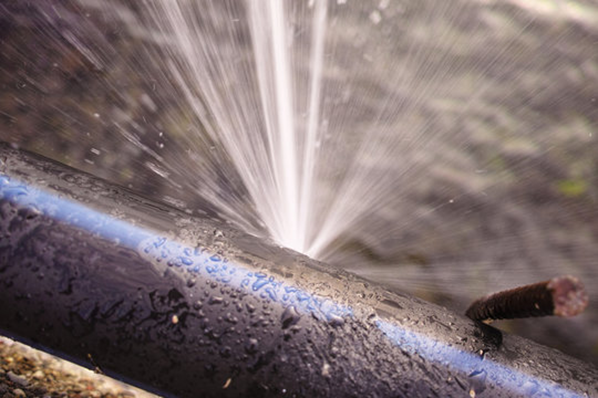
This is because these professional plumbers can repair leak detection, drain cleaning, and install new drain cleaning systems.