




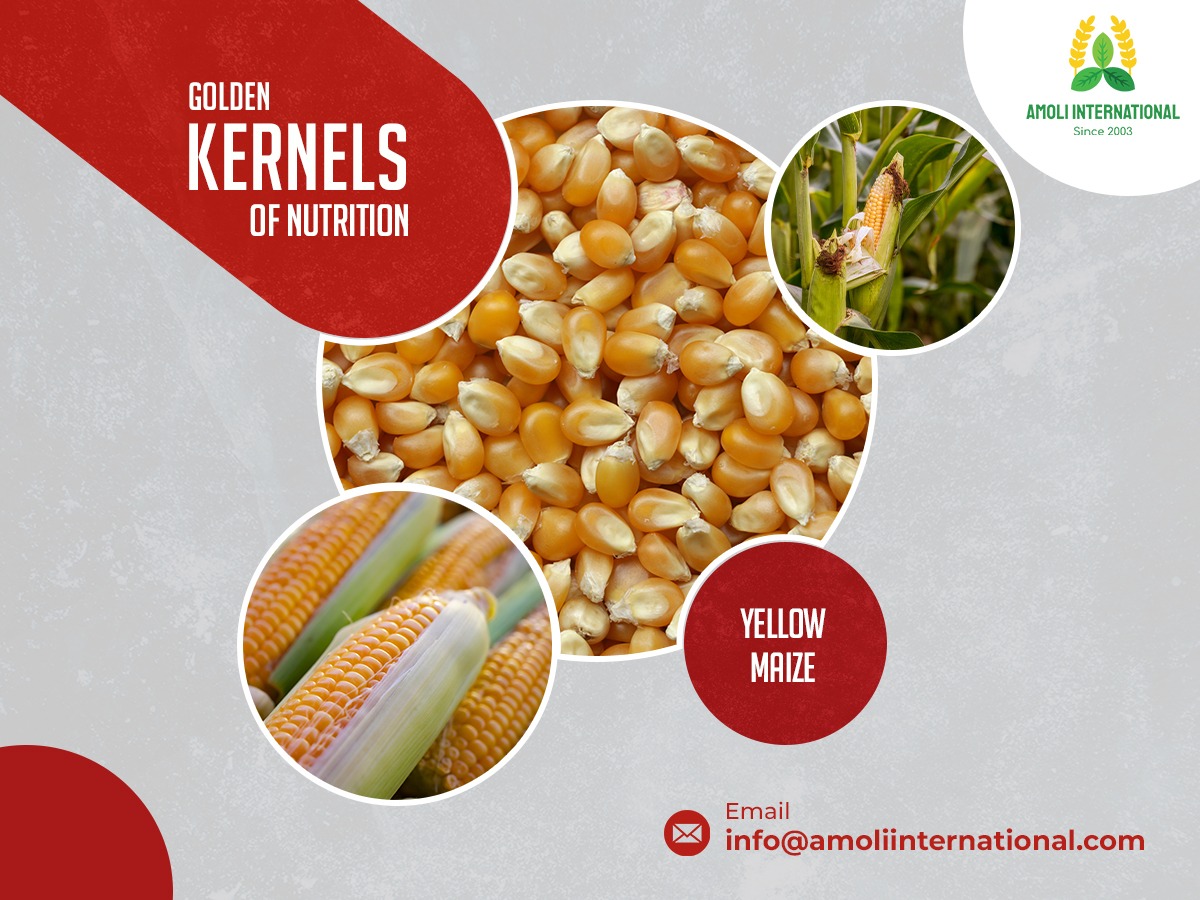
Maize, also known as corn, is a staple food for millions of people around the world. It is a versatile crop that can be used in many ways, from animal feed to biofuels. Maize is also a nutritious food, containing a range of vitamins and minerals that are important for good health. In this article, we will discuss the nutritional benefits of maize and its role in modern diets.
Nutritional Benefits of Maize
Maize is a rich source of carbohydrates, dietary fiber, and protein. It also contains vitamins and minerals such as thiamin, niacin, vitamin B6, folate, magnesium, and phosphorus. The nutritional profile of maize varies depending on the variety, processing method, and preparation method.
Carbohydrates: Maize is a good source of carbohydrates, providing energy to the body. It contains both complex and simple carbohydrates, including starch, sugar, and fiber.
Protein: Maize is also a good source of protein, containing all the essential amino acids needed by the body. However, the protein in maize is not as easily digestible as animal-based protein.
Dietary Fiber: Maize contains both soluble and insoluble fiber, which are important for maintaining digestive health. Soluble fiber can help lower cholesterol levels, while insoluble fiber can help prevent constipation.
Vitamins: Maize is a good source of several B vitamins, including thiamin, niacin, and vitamin B6. These vitamins are important for energy production and maintaining healthy skin, hair, and eyes. Maize also contains vitamin C, which is an antioxidant that helps protect the body against free radicals.
Minerals: Maize is a good source of magnesium and phosphorus, which are important for bone health. It also contains small amounts of iron, zinc, and copper.
Role of Maize in Modern Diets
Maize is an important staple food in many parts of the world, especially in Africa, Asia, and Latin America. It is consumed in various forms, such as boiled, roasted, or ground into flour. Maize is also used as an ingredient in many processed foods, such as breakfast cereals, snack foods, and beverages.
In recent years, maize has gained popularity in modern diets due to its nutritional benefits and versatility. It is a gluten-free grain, making it a suitable alternative for people with celiac disease or gluten intolerance. Maize can also be used as a substitute for wheat flour in many recipes.
Maize is a popular ingredient in animal feed, particularly for poultry and livestock. It is used as a source of energy and protein, and it can be fed in various forms, such as whole kernels, ground meal, or silage.
Indian Yellow Maize Traders and Maize Exporters
India is one of the largest producers and exporters of maize in the world. The country produces both yellow corn and white corn, with yellow corn being the most popular variety for export. Indian yellow maize traders and maize exporters play a crucial role in the global maize trade, supplying maize to countries such as Vietnam, Malaysia, Indonesia, and the Philippines.
Indian yellow maize traders and exporters ensure that the maize they export meets international standards for quality and safety. They also work closely with farmers to ensure that the maize is grown and processed sustainably, with minimal environmental impact.
Conclusion
Maize is a nutritious and versatile crop that has played an important role in human diets for thousands of years. It is a good source of carbohydrates, protein, dietary fiber, vitamins, and minerals. Maize is also a staple food for millions of people around the world, and it is used in various forms in modern diets. Indian yellow maize traders and maize exporters play an important role in the global maize trade, ensuring that the maize they export meets international standards.

“Specialized Tech Cloud ERP software brings smart workflow into #importandexport business”The complex operational challenges of importing or exporting material in lots of containers are simplified with the #TechCloudERPsoftware module.Get a FREE quote todayEmail: info@techclouderp.comPhone: IND: +91 8919439603Website: www.techclouderp.com


The global Pearlescent Pigment Market was appreciated by US$ 1.26 billion in the year 2014 and is expected to reach USD 1.92 billion by 2022.
The unique natural pearl essence is costlier as equated to artificial, mica centered properties.
Increasing approval of personalized merchandises and growing governmental backing to inspire the progress of the automobile & construction businesses, chiefly in developing marketplaces, are also important motivators for these pigments in many applications.The pearlescent pigment market on the source of Type of Application could span Cosmetics, Plastics, Printing Inks, Paints & Coating.
The industrial machinery/maintenance coatings and automotive paints inhabit the biggest stake of the international market among the applications of pearlescent pigment.
The subdivision of paints was responsible for a stake of more than 34% of the complete capacity during the year 2014.The pearlescent pigment market on the source of Type of Product could span Combination Mica, Titanium Dioxide, Ferric / Iron Oxide, Natural Pearl Essence.
The subdivision of Titanium Dioxide [TiO2] covered mica was the most extensively utilized white-effect pigment in printing inks and paints, due to its g brightness.