


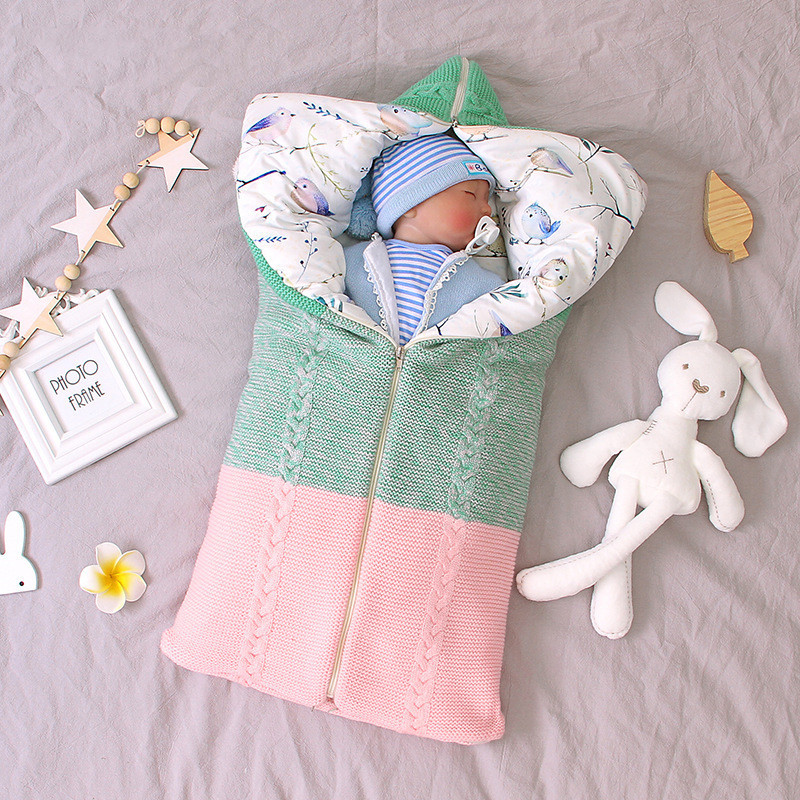
The environmental impact of baby products: How to make eco-friendly choices
As a parent, you want what’s best for your baby, but at what cost to the environment? Baby products such as diapers, wipes, and bottles have a significant impact on the environment. With the increasing concern about climate change, it’s time to take a closer look at the environmental impact of baby products and how to make eco-friendly choices.
Diapers
Diapers are probably the most significant contributor to a baby’s carbon footprint. According to the EPA, disposable diapers make up 2% of landfill waste, and they take about 500 years to decompose. Here are some eco-friendly diaper options:
- Cloth Diapers: Cloth diapers have come a long way in recent years and are now an attractive option for eco-conscious parents. They come in a variety of styles and colors, and many people find them more comfortable for their babies. Cloth diapers can be washed and reused, significantly reducing the amount of waste that ends up in landfills.
- Biodegradable Diapers: Biodegradable diapers are made from materials that break down more quickly than traditional disposable diapers. They are made from natural materials like bamboo, and some brands claim that they break down in as little as 75 days.
- Hybrid Diapers: Hybrid diapers are a combination of cloth and disposable diapers. They have a cloth outer shell and a disposable liner that can be composted or thrown away. Hybrid diapers are a good option for parents who want the convenience of disposable diapers but also want to reduce waste.
Wipes
Baby wipes are a necessity for parents. Unfortunately, most wipes are made from plastic and contain chemicals that are harmful to the environment. Here are some eco-friendly wipe options:
- Cloth Wipes: Cloth wipes are similar to cloth diapers in that they are washable and reusable. They are made from soft, absorbent materials and can be used with water or a homemade wipe solution.
- Biodegradable Wipes: Biodegradable wipes are made from natural materials like bamboo and break down more quickly than traditional wipes. Look for wipes that are fragrance-free and don’t contain harmful chemicals.
- DIY Wipes: You can make your own wipes by cutting up old t-shirts or receiving blankets into squares and using a homemade wipe solution. This option is inexpensive and eco-friendly.
Bottles
Plastic bottles are a significant contributor to pollution. They take hundreds of years to decompose, and the production of plastic has a significant carbon footprint. Here are some eco-friendly bottle options:
- Glass Bottles: Glass bottles are an excellent alternative to plastic bottles. They are easy to clean and sterilize and don’t contain harmful chemicals. Glass bottles can be recycled and reused many times.
- Stainless Steel Bottles: Stainless steel bottles are durable and long-lasting. They don’t contain harmful chemicals and can be washed and reused many times. Stainless steel bottles are also easy to recycle when they have reached the end of their lifespan.
Baby Food
Many baby foods contain preservatives and artificial ingredients that are harmful to the environment. Here are some eco-friendly food options:
- Homemade Baby Food: Making your own baby food is easy and eco-friendly. You can use fresh, organic ingredients and avoid unnecessary packaging.
- Organic Baby Food: Look for organic baby food that is free from harmful chemicals and artificial preservatives. Organic baby food is more sustainable than conventional baby food and is better for the environment.
Clothing and Toys
The clothing and toys that you choose for your baby can also have an environmental impact. Here are some eco-friendly options:
- Secondhand Clothing and Toys: Buying secondhand clothing and toys is a great way to reduce waste. You can find high-quality items that have been gently used and give them a new life.
- Organic Clothing: Look for clothing made from organic materials that are free from harmful chemicals. Organic clothing is more sustainable than conventional clothing and is better for the environment.
- Wooden Toys: Wooden toys are durable and long-lasting. They don’t contain harmful chemicals and can be recycled or composted when they are no longer needed.
For more : A store specialized in selling mother and child supplies
Final Thoughts
Making eco-friendly choices for your baby doesn’t have to be difficult or expensive. There are many eco-friendly options available that are easy on the environment and your wallet. By choosing cloth diapers, biodegradable wipes, glass bottles, homemade baby food, secondhand clothing and toys, you can significantly reduce your baby’s carbon footprint and help protect the environment for future generations.


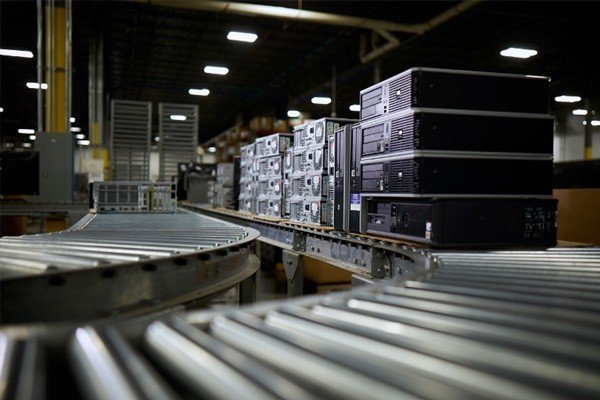
ITAD service providers handle electronic equipment that is at the end of its lifespan.
These companies are obliged to make sure that their services are eco-friendly.
Good ITAD specialists and e-waste companies reduce the environmental impact of harmful electronic waste by making use of well-reputed electronic recycling partners.