
The Role of Leadership in Implementing an Effective ISO Management System
ISO certifications have become a global standard for demonstrating a company's commitment to quality management. It is a framework that outlines the requirements for companies to implement an effective management system that can consistently deliver products or services that meet customer needs and regulatory requirements. Leadership plays a crucial role in implementing the ISO management system within an organization. The leaders' commitment, support, and involvement are essential for the successful implementation of the ISO standard.
Leadership and Quality Management
Leadership is the cornerstone of a successful ISO certification program. Leadership's responsibility is to ensure that the company's quality objectives align with its overall business goals. Leaders must establish a quality-focused culture within the organization, which is crucial for achieving ISO certification. A company's leaders must understand the requirements of the ISO standard and communicate that understanding to all employees within the organization.
Effective leadership requires a deep commitment to quality management. It requires a focus on continuous improvement, collaboration, and a willingness to listen to employees. Leaders must promote a culture of accountability and responsibility, ensuring that every employee understands their role in achieving ISO certification.
Role of Leadership in ISO Implementation
Leadership's role in ISO implementation is crucial. They must ensure that the ISO implementation process aligns with the company's overall objectives. This includes defining the scope of the ISO certification, setting measurable quality objectives, and identifying the necessary resources, both financial and human. Leaders must communicate a clear vision of what the organization wants to achieve through the implementation of the ISO standard.
It is essential to have a designated team in charge of the ISO implementation process. Leaders must support this team throughout the process and ensure that they have access to the necessary resources and expertise. Leaders must also ensure that the team adheres to the ISO standard's requirements and monitors compliance.
Leadership's involvement in the ISO implementation process demonstrates their commitment to quality management. They should lead by example, following the ISO standard's requirements and promoting a culture of continuous improvement. Leaders must also ensure that quality is embedded in all business processes, from product design to customer service.
Finally, leadership must celebrate the successes of the ISO certification program. Public recognition of those who contributed to the program's success can help promote the company's quality culture, further embedding the ISO standards in daily business operations.
Conclusion
Leadership plays a pivotal role in implementing a successful ISO management system. Leaders must have a clear understanding of the ISO standards' requirements and align the implementation process with the company's overall objectives. They should establish a quality-focused culture, provide the necessary resources and support, and monitor compliance with the ISO standard. Leaders must also lead by example, promoting a culture of continuous improvement, and celebrating the program's successes. By doing this, they can ensure that the company achieves its quality objectives and maintains its reputation for excellence.
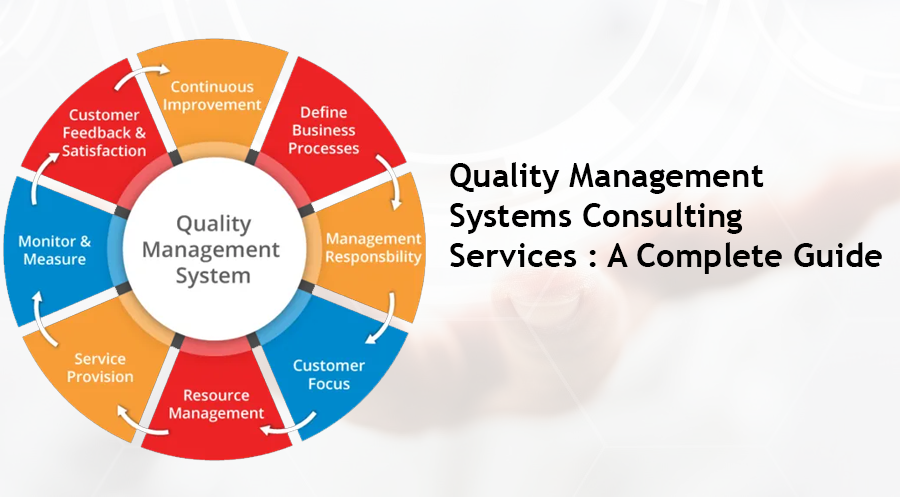


Management Systems are indeed essential when it comes to having growth in all sorts of business.
It does not only stagnant to add confidence in buyers and give an edge over the competition but also play a major role to emphasize constantly on continuous improvement as well as customer satisfaction.
A company should follow the needed requirements set forth in the ISO 9001.Here, it needs to mention that having ISO Management Systems do add a standard model to your businesses.
It comes up with accurate business set up, regulating operations, standard, product quality improvement and so on.
The primary motto of going with ISO is leading it towards good business practices as well as improving the quality of services to let the customer have more benefits.Does ISO 9001 Can Go With All Sorts Of Businesses?
However, it is not true since ISO 9001 is good to go irrespective of the size of your firm having only one person or one million people.ISO 9001 is available for all sorts of industries right from service to manufacturing.