


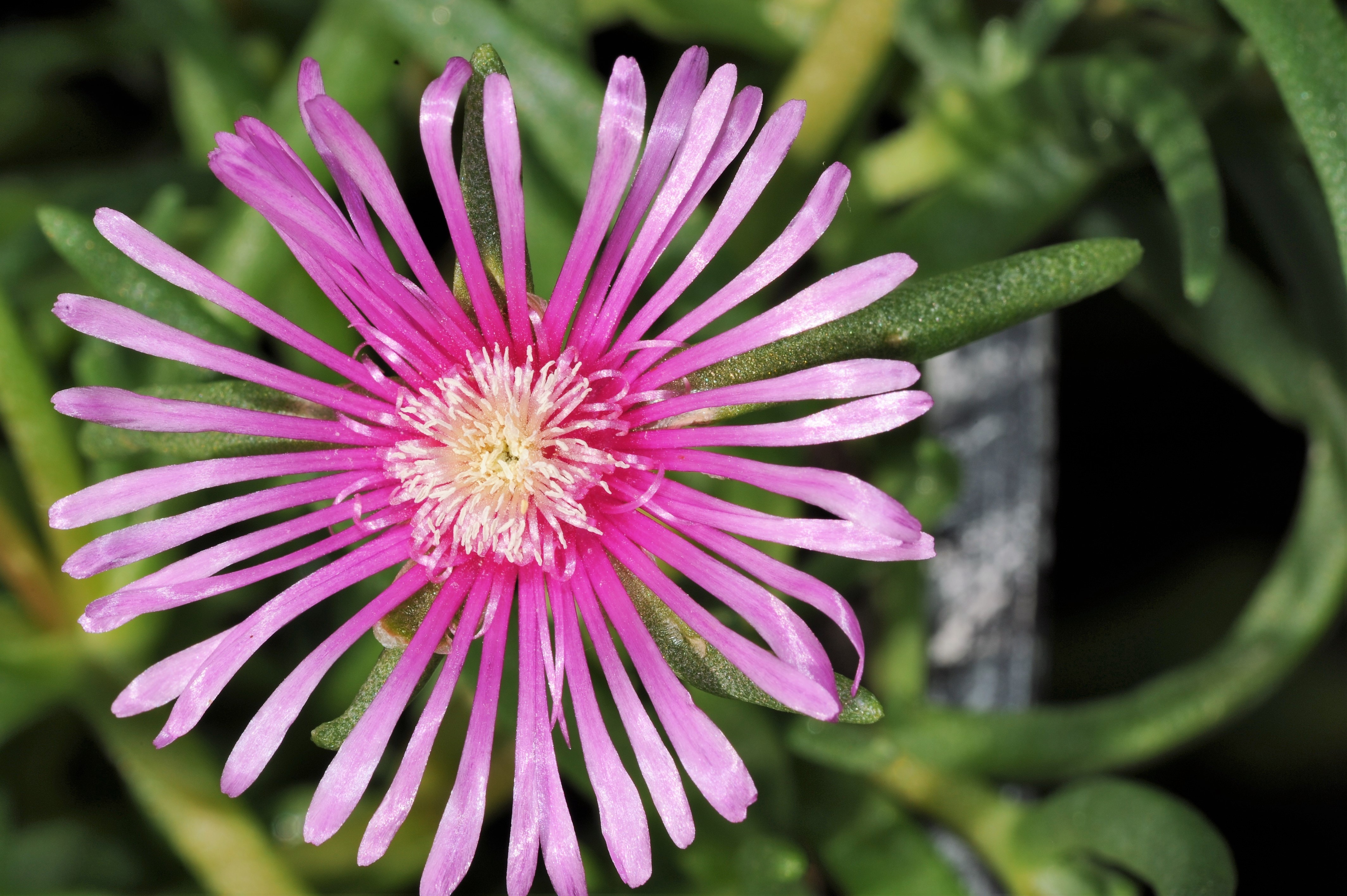
Care and Culture of Ice Plants
Ice plants (Mesembryanthemum spp.) are drought-tolerant succulents native to South Africa. Their thick, fleshy leaves allow them to store water, enabling them to withstand long periods of dry conditions. Ice plants make attractive groundcovers and have adapted to grow in difficult conditions with little care.
Growth and Propagation
Ice plants grow best in full sun and well-draining soil. They tolerate temperatures as low as 20°F for short periods. Ice plants are easiest propagated from stem cuttings taken during spring and summer. Short 4 to 6 inch cuttings will root in damp soil within 4 to 6 weeks. Once established, ice plants can spread to form large mats, covering up to 3 feet per year. Trailing varieties will cascade down slopes.
Site Considerations
Prepare soil for ice plants by incorporating sand or perlite to improve drainage. Work in 3 to 4 inches of compost to add nutrients and retain moisture. Amend any clay soils with 50% sand or gravel. Ice plants bloom most prolifically from spring through fall. The longest flowering varieties will bloom year-round. Flowers typically last 2 to 4 weeksbefore fading.
Care
Water ice plants infrequently but deeply, allowing the top 2-3 inches of soil to dry out between waterings. This may be once every 7 to 14 days during hot weather, extending to once per month in winter.
Fertilize ice plants 2-3 times per year during active growth periods with a balanced, all-purpose fertilizer. Apply at quarter-strength to avoid burning the shallow roots.
Remove dead or damaged growth through regular pruning. Ice plants can regrow from old stems, so heavy spring pruning will encourage a dense, bushy habit. Avoid heavy pruning during peak flowering periods.
Lifespan and Maintenance
Ice plants are long-lived plants that can persist for 5 to 10 years or more with proper care. To maintain plant health:
• Remove fallen leaves and debris
• Monitor soil pH, adding lime to raise pH above 7.0 if needed
• Check moisture levels regularly during dry spells
• Inspect plants for signs of pests or disease
• Transplant divisions every few years to rejuvenate older plants Following these best practices will help keep your ice plants flowering and spreading to provide years of beauty in your landscape.
Common Varieties
Popular ice plant varieties vary in color, shape and growth habit. 'Red Apple' has bright red flowers. 'Lance Leaf' features silvery leaves and 'Emerald Carpet' forms a dense green groundcover. Variegated types offer colored or white-edged foliage interest year-round.
Pests and Diseases
Monitor ice plants regularly for aphids, spider mites and powdery mildew. Neem oil, insecticidal soap and sulfur fungicides can help control these issues when used according to label instructions. Good air circulation and pruning dead growth also helps prevent powdery mildew infections.
With proper care, ice plants can bring years of drought resistance and colorful interest to your garden. Let me
Care and Culture of Ice Plants
Ice plants (Mesembryanthemum spp.) are drought-tolerant succulents native to South Africa...
In addition to full sun, ice plants also require: Moderate temperatures- They grow best in zones 7-11 where temperatures remain above 50°F for most of the year.
Low fertility soil - Ice plants prefer nutrient-poor soil that encourages compact growth. Avoid applying high nitrogen fertilizers.
Good drainage - Their shallow roots need well-draining soil to prevent root rot. Amend heavy clay soil with organic matter and sand. Ice plant leaves turn reddish in colder weather and may become dormant below 40°F. They resume growth as temperatures rise in spring.