


Assisted living communities provide a supportive and caring environment for seniors who require assistance with daily activities. While these communities offer numerous benefits, such as personalized care and a sense of security, loneliness and isolation can still be significant challenges for residents. Addressing these issues is crucial for promoting the overall well-being and quality of life of seniors in assisted living. In this article, we will explore the causes of loneliness and isolation in assisted living communities and discuss effective strategies to combat these feelings, fostering a sense of connection and belonging among residents.
1. Understanding Loneliness and Isolation:
Loneliness and isolation are more than just physical states of being alone. They are emotional experiences characterized by a lack of meaningful social interaction and a sense of disconnection from others. Various factors contribute to these feelings in assisted living communities. Transitioning to a new environment, loss of independence decreased social networks, and limited contact with family and friends are common contributors. Additionally, health issues, mobility limitations, and cognitive decline can further exacerbate feelings of loneliness and isolation.
2. The Impact on seniors' Well-being:
Loneliness and isolation can have detrimental effects on seniors' mental, emotional, and physical health. Studies have shown that prolonged loneliness is associated with an increased risk of depression, anxiety, cognitive decline, and even mortality. Furthermore, seniors who feel lonely or isolated may experience a diminished sense of purpose, reduced self-esteem, and a decline in overall life satisfaction. Recognizing and addressing these challenges is essential to ensure a supportive and fulfilling environment for residents.
Strategies for Combating Loneliness and Isolation:
1. Foster a Sense of Community:
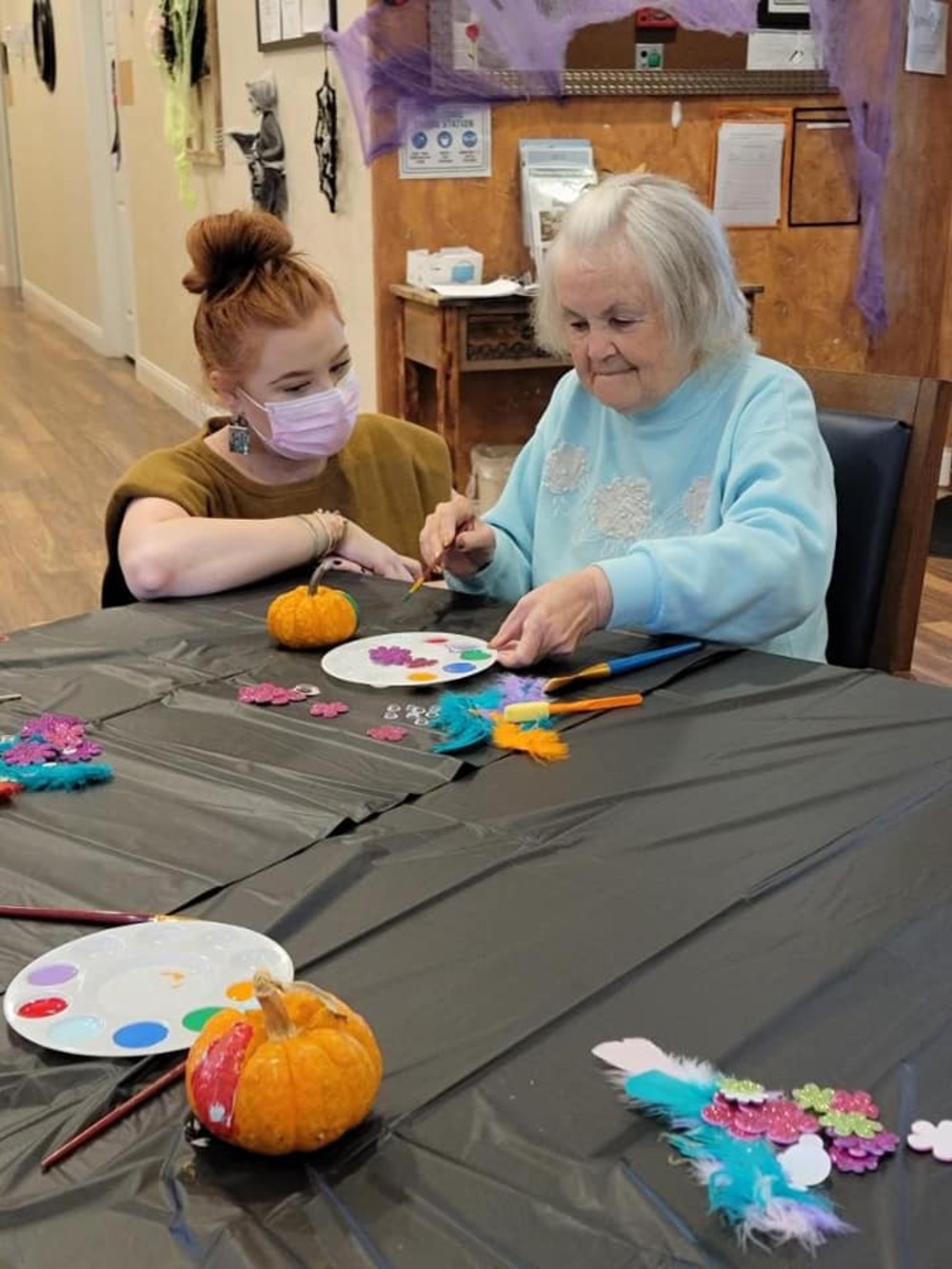
Assisted living communities can organize regular social activities, such as group outings, game nights, or arts and crafts sessions, to encourage interaction among residents. Creating opportunities for shared experiences and promoting socialization can help residents build meaningful connections and combat feelings of isolation.
2. Encourage Family and Friend Involvement:
Assisted living communities should actively encourage family and friends to visit and engage with residents regularly. Providing comfortable and welcoming spaces for visits, organizing family-oriented events, and facilitating technology access for video calls can help residents stay connected with their loved ones.
3. Support Group Activities:
Group activities like exercise classes, book clubs, or discussion groups can facilitate social engagement and create a sense of belonging within the community. These activities encourage residents to connect, share experiences, and build supportive relationships.
4. Utilize Technology:
Embracing technology can be a valuable tool in reducing feelings of isolation. Assisted living communities can provide access to tablets or computers for residents to communicate with family and friends via email, social media, or video calls. Virtual engagement options can expand social networks and maintain connections with the outside world.
5. Engage Residents in Decision-Making:
Involving residents in decision-making processes, such as activity planning or community governance, empowers them and fosters a sense of ownership and belonging. Seeking their input and actively incorporating their suggestions into community life promotes a collaborative and inclusive environment.
6. Provide Emotional Support:
Dedicated staff members, such as social workers or counselors, can offer individualized emotional support to residents experiencing loneliness or isolation. Regular check-ins, one-on-one conversations, and support groups can provide a safe space for residents to express their feelings and receive guidance and encouragement.
Conclusion:
Addressing loneliness and isolation in assisted living communities is essential for promoting the overall well-being and quality of life of residents. By fostering a sense of community, encouraging family involvement, organizing group activities, embracing technology, involving residents in decision-making, and providing emotional support, assisted living communities can create an environment that nurtures social connections and reduces feelings of loneliness and isolation. By implementing these strategies, residents can experience a greater sense of belonging.