Introduction:
In the realm of construction, woodworking, gardening, and even home maintenance, precise moisture measurement is crucial. Whether you're a professional or a DIY enthusiast, achieving optimal moisture levels is paramount to ensuring the longevity, quality, and performance of materials and structures. Thankfully, there exists a reliable tool that has revolutionized moisture measurement—the moisture meter. In this blog post, we will explore the fascinating world of moisture meters, their importance, and how they work.
Understanding the Impact of Moisture on Materials
Moisture can significantly affect various materials, including wood, concrete, drywall, and plants. Excess moisture in wood can lead to warping, mold growth, and compromised structural integrity. In concrete, excessive moisture can cause cracking and degradation over time. Drywall exposed to moisture may develop unsightly stains and become a breeding ground for mold. Even plants require proper moisture levels for optimal growth and health. By understanding the impact of moisture on different materials, we realize the importance of accurate measurement.
Enter the Moisture Meter
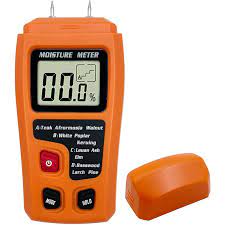
A moisture meter is a handheld device that allows precise measurement of moisture content in different materials. It is designed with specialized sensors or probes that detect moisture levels by either conducting an electrical current or measuring changes in electrical capacitance. These measurements are then displayed on a digital screen or analog dial, providing users with valuable data.
Types of Moisture Meters
There are two primary types of moisture meters: pin-type and pinless.
- Pin-Type Moisture Meters: These moisture meters have two sharp pins or probes that penetrate the material being tested. By completing an electrical circuit, they measure the resistance and provide accurate moisture readings. Pin-type meters are ideal for measuring moisture content in wood, drywall, and other similar materials.
- Pinless Moisture Meters: These meters use electromagnetic wave technology to assess moisture levels without penetrating the material's surface. They are particularly useful for non-destructive testing of materials like concrete, flooring, and insulation. Pinless moisture meters scan the surface and provide moisture readings based on the material's electromagnetic properties.
Applications of Moisture Meters
Moisture meters have a wide range of applications across various industries:
- Construction and Woodworking: Moisture meters help ensure that construction materials like lumber, plywood, and concrete have optimal moisture levels before installation. This prevents future issues such as warping, shrinking, or cracking.
- Gardening and Agriculture: Moisture meters aid gardeners and farmers in determining the moisture needs of plants and soil. By avoiding over or under-watering, plants can thrive, leading to improved yields and healthier gardens.
- Home Inspection and Maintenance: Moisture meters are essential tools for detecting hidden water leaks, identifying areas prone to mold growth, and assessing the overall moisture condition of a property. This helps prevent structural damage, health hazards, and costly repairs.
Tips for Using Moisture Meters Effectively
To make the most of your moisture meter, consider the following tips:
- Familiarize Yourself: Read the user manual and understand the features and capabilities of your specific moisture meter model.
- Calibration: Ensure your moisture meter is properly calibrated to obtain accurate readings. Follow the manufacturer's instructions for calibration procedures.
- Material-Specific Settings: Some moisture meters offer material-specific settings. Choose the appropriate setting for the material you are testing to obtain accurate readings.
- Test Multiple Locations: To ensure accuracy, test multiple areas within the material or surface you are measuring. This helps identify any localized variations in moisture content.
Conclusion:
Moisture meters have become indispensable tools for professionals and DIY enthusiasts alike. By providing precise moisture measurements, they enable us to make informed decisions, prevent potential issues, and ensure the durability and quality of materials and structures. Whether you're involved in construction, woodworking, gardening, or home maintenance, a moisture meter is an investment that pays dividends in the long run. Embrace the power of moisture meters and unlock the secret to precision in moisture measurement!



Latest Moisture Meter Market Report published by value market research, it provides a comprehensive market analysis which includes market size, share, value, growth, trends during forecast period 2020-2026 along with strategic development of the key player with their market share.
Further, the market has been bifurcated into sub-segments with regional and country market with in-depth analysis.The research report also covers the comprehensive profiles of the key players in the market and an in-depth view of the competitive landscape worldwide.
The major players in the moisture meter market include Ametek Process Instruments, Bikotronic, Brookhuis Micro-Electronics, Bst Caltek Industrial Ltd., Dickey-John Europe, Exotek Instruments, Gann Mess- U. Regeltechnik Gmbh, Imko Micromodultechnik Gmbh, Intrama.
This section includes a holistic view of the competitive landscape that includes various strategic developments such as key mergers & acquisitions, future capacities, partnerships, financial overviews, collaborations, new product developments, new product launches, and other developments.Get more information on "Global Moisture Meter Market Research Report" by requesting FREE Sample Copy at https://www.valuemarketresearch.com/contact/moisture-meter-market/download-sampleMarket DynamicsWood is a basic raw material for several industries like paper, furniture, house construction and more.
Growing packaging applications along with the expansion of paper industry for writing purposes are the drivers identified in moisture meter market.
The recent trends of urbanization indicate higher residential areas and spiked furniture demands, which is anticipated to drive the moisture meter market.