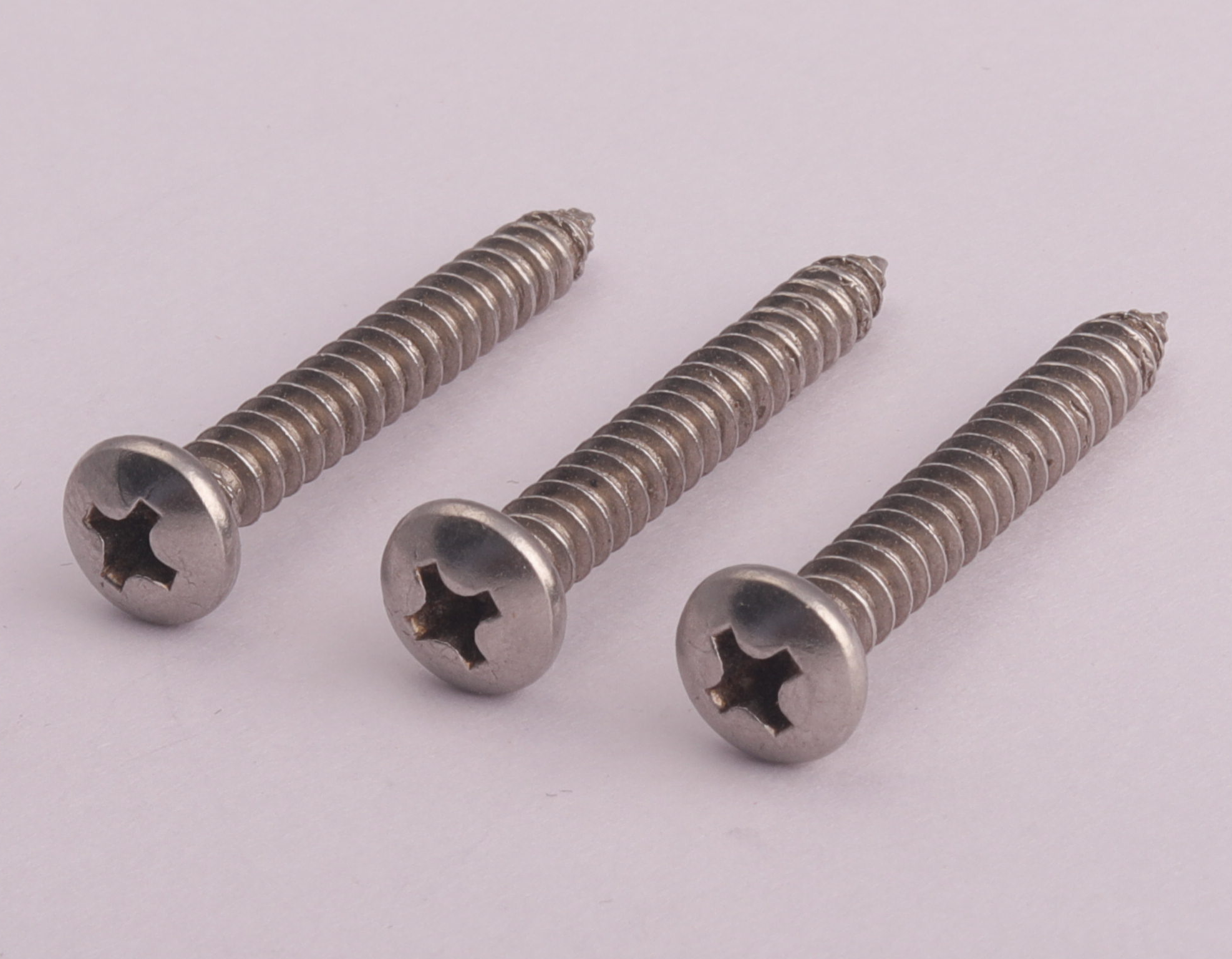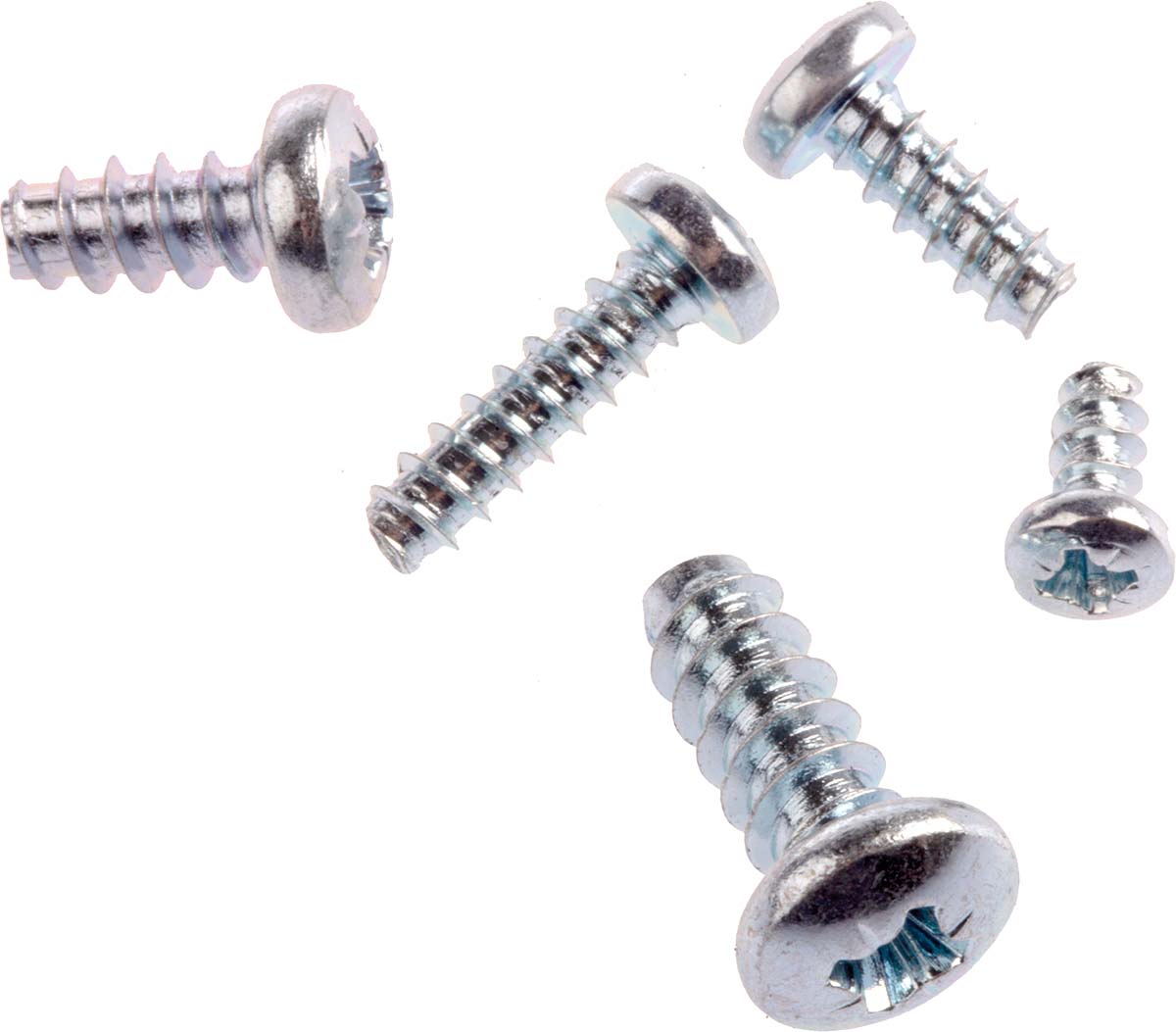
Introduction to Self Tapping Screws
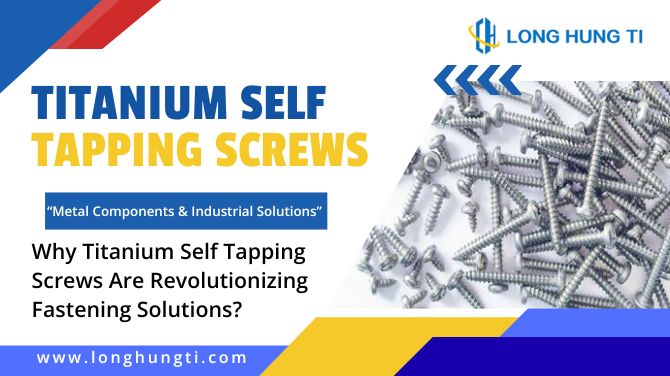
Self Tapping Screws have become a cornerstone of modern fastening technology because they combine simplicity with performance. Designed to create their own threads as they are driven into a material, these screws reduce preparation time and eliminate the need for separate tapping processes in many applications. This efficiency makes them highly valuable across industries that demand precision, speed, and reliability.
From structural frameworks to compact electronic assemblies, Self Tapping Screws provide secure connections that withstand daily wear, vibration, and mechanical stress. Their adaptability across different materials ensures they remain relevant in both traditional construction and advanced manufacturing.
How Self Tapping Screws Create Secure Connections
The defining feature of Self Tapping Screws is their ability to form matching internal threads during installation. As the screw rotates into the substrate, its specially engineered threads engage the material and shape a pathway that mirrors the screw profile. This process establishes a tight mechanical interlock between the fastener and the material.
Depending on the screw design, the thread formation may involve cutting away small amounts of material or displacing it outward. Both methods create a durable connection that enhances pull out strength and reduces the risk of loosening over time. The direct thread engagement also improves load distribution, which is essential in structural applications.
Industrial Importance of Self Tapping Screws
In industrial settings, reducing assembly time directly improves productivity. Self Tapping Screws help streamline operations by removing additional machining steps. Manufacturers often rely on them for assembling equipment housings, metal panels, and support brackets because they provide consistent fastening without complex preparation.
In the automotive sector, these screws secure interior fittings, protective covers, and lightweight structural components. Their ability to maintain grip under vibration ensures long term reliability in moving vehicles. In construction environments, they are used to fasten metal sheets, steel studs, and ventilation systems where durability and speed are both critical.
Material Compatibility and Versatility
Self Tapping Screws are compatible with a wide range of materials, including steel, aluminium, plastics, and wood. In metal applications, hardened screws penetrate thin sheets effectively, forming tight threads that resist mechanical stress. For plastic components, thread forming designs are preferred because they reshape the material without causing cracks or splits.
Wood based projects also benefit from the aggressive threading of Self Tapping Screws. The threads grip wood fibres firmly, creating a stable joint that supports structural and decorative installations alike. This versatility across materials makes these screws suitable for diverse engineering and construction requirements.
Design Features That Enhance Performance
The performance of Self Tapping Screws is influenced by their tip configuration, thread profile, and head style. A sharp or tapered tip assists with initial penetration and alignment, ensuring accurate placement during installation. Thread geometry determines the holding strength and resistance to stripping, particularly in softer materials.
Head designs vary to accommodate different tools and aesthetic requirements. Flat heads allow for flush finishes, while pan or hex heads provide greater torque control during installation. These design variations allow professionals to select the most suitable screw for their specific application.
Installation Considerations for Long Term Reliability
Proper installation plays a significant role in achieving optimal performance from Self Tapping Screws. Applying controlled torque prevents over tightening, which can strip threads or damage the substrate. Maintaining alignment during insertion ensures even load distribution and reduces stress on the joint.
In harder metals, creating a pilot hole may improve accuracy and reduce installation resistance. Using appropriate driver tools also minimises wear on the screw head and ensures a secure fit. Attention to these details enhances both safety and durability in completed assemblies.
Advantages Over Alternative Fastening Methods
Compared to traditional bolts and nuts, Self Tapping Screws simplify assembly by requiring access from only one side of the material. This advantage is especially useful in confined spaces where backside access is limited. They also reduce the number of components needed, which lowers material costs and simplifies inventory management.
When compared to adhesives, Self Tapping Screws provide immediate mechanical strength without waiting for curing time. Unlike rivets, they allow easier disassembly and maintenance, which is beneficial in equipment servicing and upgrades. These advantages contribute to their widespread use in industrial and commercial environments.
Contribution to Modern Manufacturing Efficiency
As industries move toward automation and lean manufacturing practices, efficient fastening systems become increasingly important. Self Tapping Screws align with these goals by combining thread creation and fastening into a single step. This integration reduces energy consumption, minimises tool changes, and supports faster production cycles.
Advancements in metallurgy and surface treatments have further improved corrosion resistance and load bearing capacity. These innovations ensure that Self Tapping Screws continue to meet evolving engineering standards and environmental demands.
Conclusion
Self Tapping Screws play a vital role in modern fastening applications by delivering strength, efficiency, and adaptability. Their ability to form secure internal threads during installation reduces preparation time while ensuring dependable performance. Across construction, automotive, electronics, and manufacturing industries, they provide a practical solution for creating durable connections.
By understanding their design, material compatibility, and installation requirements, professionals can maximise the benefits of Self Tapping Screws in both small scale and large scale projects. Their continued development and versatility ensure they remain a trusted fastening choice in an ever advancing industrial landscape.