


Alternative energy sources are those that do not rely on fossil fuels, such as coal, oil, and natural gas. These sources are considered to be more sustainable and environmentally friendly than fossil fuels, as they do not produce greenhouse gases. Some of the most common Alternative Energy Sources include:
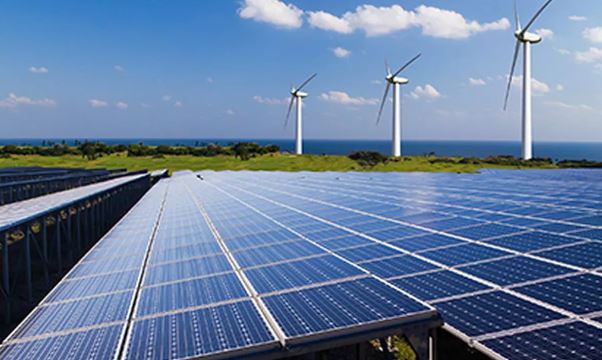
Solar energy: Solar energy is the conversion of sunlight into electricity, heat, or light. Solar panels can be used to generate electricity, and solar thermal collectors can be used to heat water. Solar energy is a clean and abundant source of energy, and it is becoming increasingly cost-competitive with fossil fuels.
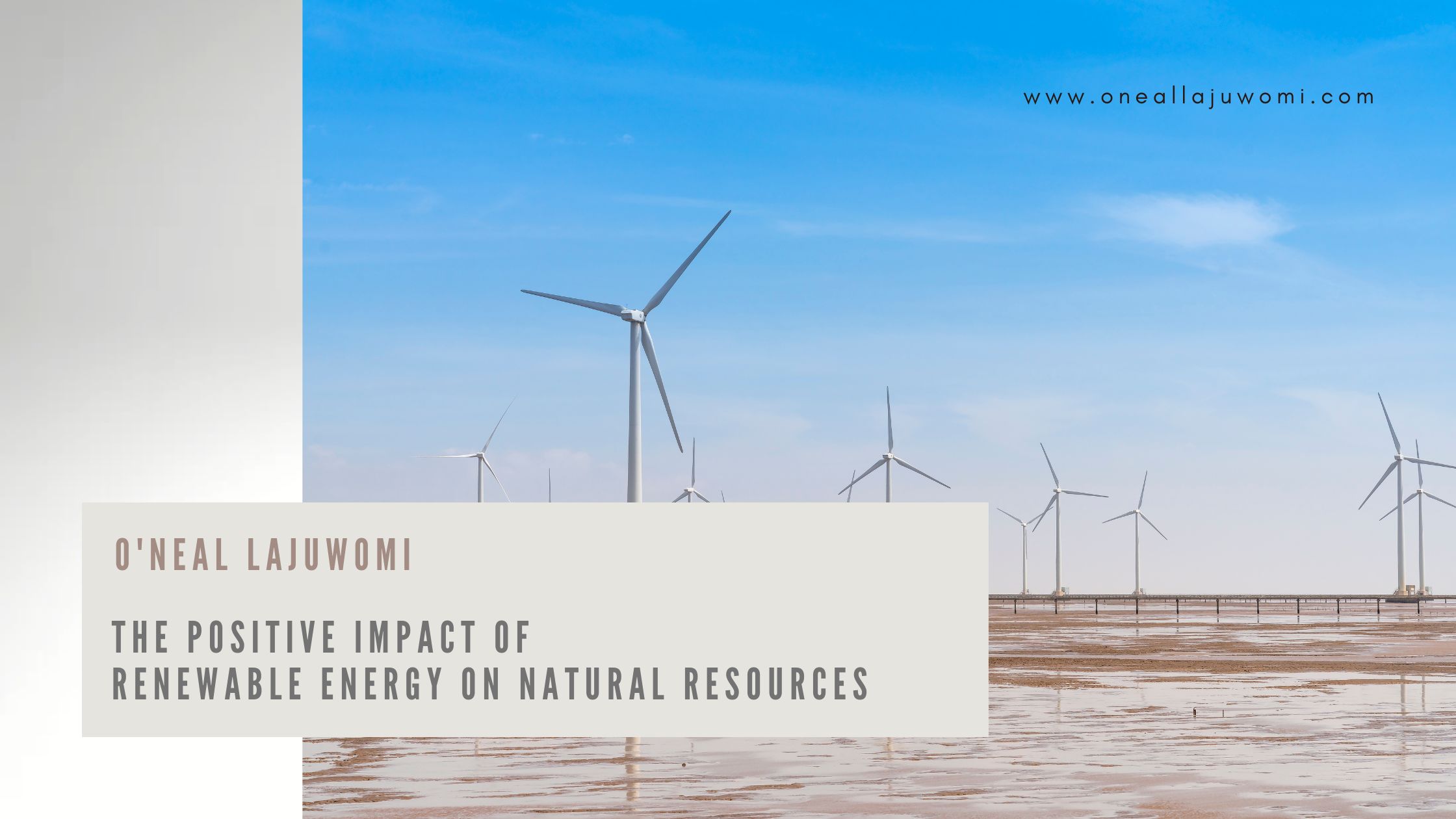
Wind energy: Wind energy is the use of wind turbines to generate electricity. Wind turbines convert the kinetic energy of the wind into mechanical energy, which can then be used to generate electricity. Wind energy is a clean and renewable source of energy, and it is becoming increasingly popular in many countries.
Hydropower: Hydropower is the use of water to generate electricity. Hydropower plants use the force of falling water to turn a turbine, which then generates electricity. Hydropower is a clean and reliable source of energy, but it can only be used in areas with abundant water resources.
Tidal energy: Tidal energy is the use of the tides to generate electricity. Tidal power plants use the rise and fall of the tides to turn a turbine, which then generates electricity. Tidal energy is a clean and predictable source of energy, but it can only be used in areas with significant tidal ranges.
Geothermal energy: Geothermal energy is the heat energy that is generated from the Earth's interior. Geothermal power plants use the heat from underground to generate electricity. Geothermal energy is a clean and sustainable source of energy, but it can only be used in areas with hot underground reservoirs.
Biomass energy: Biomass energy is the use of organic matter to generate electricity. Biomass can be used to create biogas, which can then be used to generate electricity. Biomass energy is a renewable source of energy, but it can also produce greenhouse gases if not managed properly.
These are just a few of the many alternative energy sources that are available. As the world transitions to a clean energy future, these sources will become increasingly important in meeting our energy needs.
In addition to the sources mentioned above, there are also a number of other alternative energy sources that are being developed and tested, such as wave energy, ocean thermal energy conversion, and hydrogen fuel cells. These technologies are still in the early stages of development, but they have the potential to provide significant amounts of clean energy in the future.
Batteries are the result of the superior understanding of chemistry and electronic devices are a result of the superior understanding of physics.
Thanks to science, humans are very advanced now and human lives are a lot easier.
Inventions and come a long way that everything is here to serve us to make our lives comfortable.
We are used to making our lives easier by using electrical devices that we will find it hard to go on a day without getting the valuable help from them.Energy plays a major role in powering up the world of humans.
There are renewable energy sources and there are nonrenewable energy sources that provide energy for large-scale use.
To gain this energy, our houses are powered and it is given a supply of electricity and there is another way of providing energy on a small scale, that is through batteries.Know your devicesAll the devices have to be given energy or in other words, all the electrical devices have to be powered.