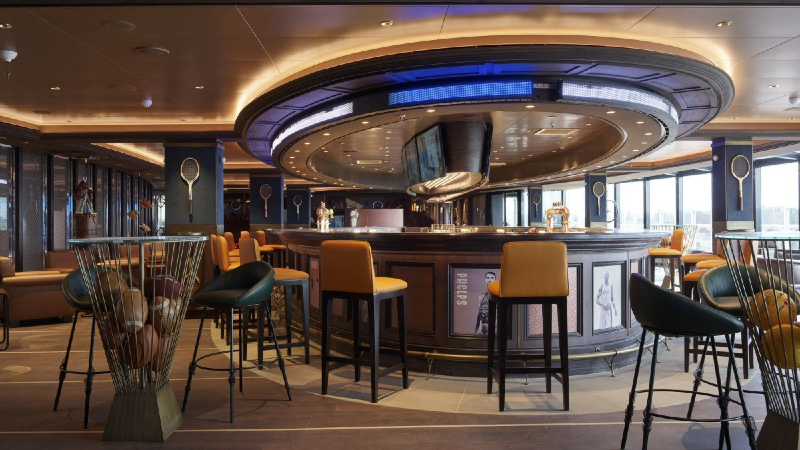
Interior Design Psychology
The field of interior design goes beyond aesthetics and functionality; it also incorporates the principles of psychology to create spaces that have a positive impact on our well-being and productivity. Interior design psychology examines how different elements in a space can influence our mood, emotions, and behavior. By understanding these psychological factors, designers can create environments that enhance our overall experience and contribute to our mental and physical well-being.
One crucial aspect of interior design psychology is understanding the concept of biophilia, which suggests that humans have an innate tendency to connect with nature. Incorporating natural elements, such as plants, natural materials, and ample sunlight, can create a more calming and relaxing environment.
Furthermore, color psychology plays a significant role in interior design. Colors have the power to evoke specific emotions and affect our moods. For example, warm colors like red and orange are known to stimulate energy and creativity, while cool colors like blue and green promote relaxation and tranquility. Designers can strategically use various colors to create desired atmospheres and influence occupant behavior.
Productivity in Interior Design
Creating a productive environment requires careful consideration of various factors. Effective interior design can significantly impact our ability to focus, concentrate, and unleash our creative potentials. Here are some key aspects to consider:
1. Lighting: Proper lighting is essential for productivity. Natural light is preferred, as it enhances mood, boosts Vitamin D levels, and promotes better sleep. Adequate artificial lighting should also be available to avoid eye strain and fatigue.
2. Ergonomics: When designing workspaces, ergonomic principles must be prioritized. Well-designed ergonomic furniture ensures optimal comfort and reduces the risk of musculoskeletal disorders, promoting better work efficiency and focus.
3. Organization: A cluttered space can hinder productivity and increase stress levels. An organized environment with ample storage solutions enables clear thinking, reduces distractions, and improves productivity.
4. Acoustics: Noise levels significantly impact our ability to concentrate and be productive. Incorporating sound-absorbing materials and creating acoustically balanced spaces can reduce distractions and improve overall focus.
Psychological Impact of Interior Design
The psychological impact of interior design extends beyond productivity; it can influence our overall well-being. A thoughtfully designed space can create positive experiences and contribute to our mental and emotional state.
1. Comfort and Coziness: Creating a warm and inviting environment can promote feelings of comfort and coziness. Incorporating soft textures, warm colors, and comfortable seating areas helps create a sense of relaxation and well-being within a space.
2. Privacy and Personal Space: Designing spaces that offer privacy and personal space can contribute to our mental well-being. Incorporating private nooks, reading corners, or designated areas for alone time can provide individuals with a sense of retreat and respite.
3. Biophilic Design: As mentioned earlier, incorporating elements of nature in interior design can significantly impact our psychological well-being. Biophilic design can reduce stress levels, improve focus, and enhance overall happiness and satisfaction.
4. Positive Associations: Interior design can create positive associations and enhance our emotional connections to a particular space. By incorporating elements that resonate with positive memories or personal experiences, designers can create an environment that evokes positive emotions and supports well-being.
In conclusion, the psychology of interior design plays a vital role in creating spaces that promote well-being and productivity. By understanding the psychological impact of various design elements, designers can create environments that optimize our mental and physical state. From incorporating natural elements and understanding color psychology to considering lighting, ergonomics, and acoustics for productive spaces, interior design psychology offers valuable insights for creating harmonious and impactful environments.
Vaibhav InterDecor Pvt Ltd is one of the best interior design & decorators in Bangalore, India.
We specialize in Modular Kitchen design, Wardrobe Interior Service, Turnkey Interior Service, Restaurant Decorators, Mall Interior decorators, Corporate Office Interior Decorators, Villa & Bungalow Decorators.
We have a team of experts to provide complete interior design ideas for your Residential Building, Commercial spaces, or villas.
Our Interior Experts give Complete solutions for corporate office interiors, Commercial spaces Interior Decorations, turnkey interior services, Interior Decorations for office & House, Villas.
We are the top interior decorators in Bangalore, India.
Vaibhav Interior Decorator serves more than 100+ Happy satisfied customers in Bangalore.
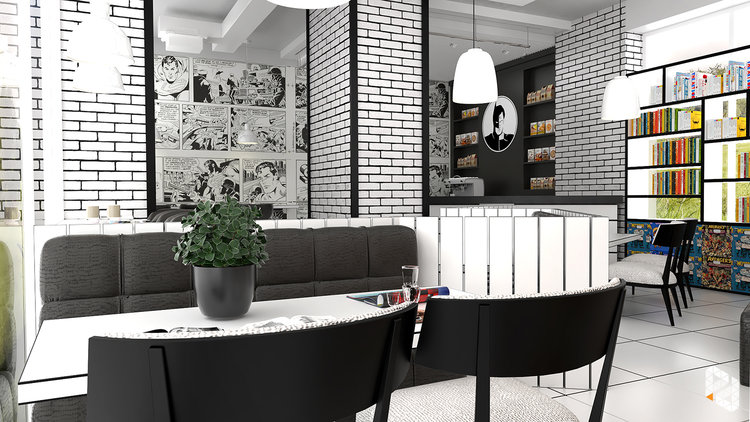
With a littlecreativity, you can quickly renovate your home.A beautifully refurbished apartment can uplift your moodand your personality.Letting lose yourimagination andcreativitycan give you extraordinary results.If youhave an artist in you,interior designing can be a good option for you career-wise.
Sometimes, filling out the empty spaces in the home can lift your spirits.
Thus, your passion for beautifying the house can not only be a goodcareerportionbut alsogive yourpersonality a boost.Things to look for before making the changes in the interiors:Before you go for interior changes, it better to make a proper plan.
Now, makealist of changes you want to incorporate in the area and check if they are feasible or not.Also,check if your idea is suiting your budget and are the changes suiting your sense of style.You can consult some of the architectural guidebooks for plans on carrying out the interior modifications.According to Interior contractor Kuwait, the ideas for making the changes in the interior should be subtle and never too crude.
It should also reflect your personality.Doing your research:According to Interior design Kuwait, before going in with the interior decoration, a little research on your part will ensure better results.
Trying pout Eco-friendly materials in your plans or using natural material while doing the flooring can help you in the long run.