Primary 1 Registration in Singapore: Key Considerations for Parents
Primary 1 registration in Singapore is an important process that every parent goes through when their child reaches the age of six. As the first step in their educational journey, choosing the right primary school for your child is crucial. This article aims to provide parents with key considerations to keep in mind during the primary 1 registration process in Singapore.
Understanding Primary 1 Registration in Singapore
In Singapore, primary schools are classified into different categories: Government, Government-Aided, Independent, and Specialized Schools. Each category has its own set of characteristics and admission criteria. Government schools are the most common and cater to the majority of students in Singapore. Government-Aided schools are similar to government schools but receive additional financial assistance from the government or other sources. Independent schools have more autonomy in their curriculum and admissions processes. On the other hand, specialized schools focus on specific areas such as sports, arts, or science.
Primary 1 registration in Singapore is conducted annually, usually during the months of July and August. It is important for parents to be aware of the registration timeline and procedures set by the Ministry of Education (MOE). As demand for certain schools may exceed the number of available places, prioritizing the registration process is crucial to secure a spot in the desired school.
Key Considerations for Primary 1 Registration
1. Proximity to Residence
One of the primary factors that parents should consider when registering for primary 1 in Singapore is the proximity of the school to their residence. The MOE assigns different phases based on the distance between the child's residence and the school. Phase 1 ensures priority for children with siblings already studying in the school, while Phase 2A(1), 2A(2), 2B, and 2C are allocated based on a combination of distance and other criteria such as affiliation to specific organizations.
2. School's Performance
Another crucial factor to consider is the academic performance and reputation of the school. Parents often look at a school's PSLE (Primary School Leaving Examination) results to gauge its educational quality. Reviewing these results and understanding the school's curriculum and teaching methods can provide insights into its academic standards.
3. School's Culture and Values
Every school has its unique culture and values, which play a significant role in shaping a child's overall development. Some schools may focus on fostering a competitive learning environment, while others place emphasis on holistic development through character education and values-based learning. Consider your child's personality, interests, and learning style when choosing a school that aligns with their needs.
4. Special Needs Support
If your child has any special needs or learning disabilities, it is crucial to consider schools that provide adequate support and resources. Look for schools with specialized programs or dedicated support teams to cater to your child's specific requirements.
5. Co-Curricular Activities (CCAs)
Co-curricular activities (CCAs) play an essential role in shaping a child's interests, talents, and social skills. Research the types of CCAs offered by different schools and ensure they align with your child's interests. Schools with a wide range of CCAs provide opportunities for children to explore various areas outside the classroom.
6. Primary School Tuition
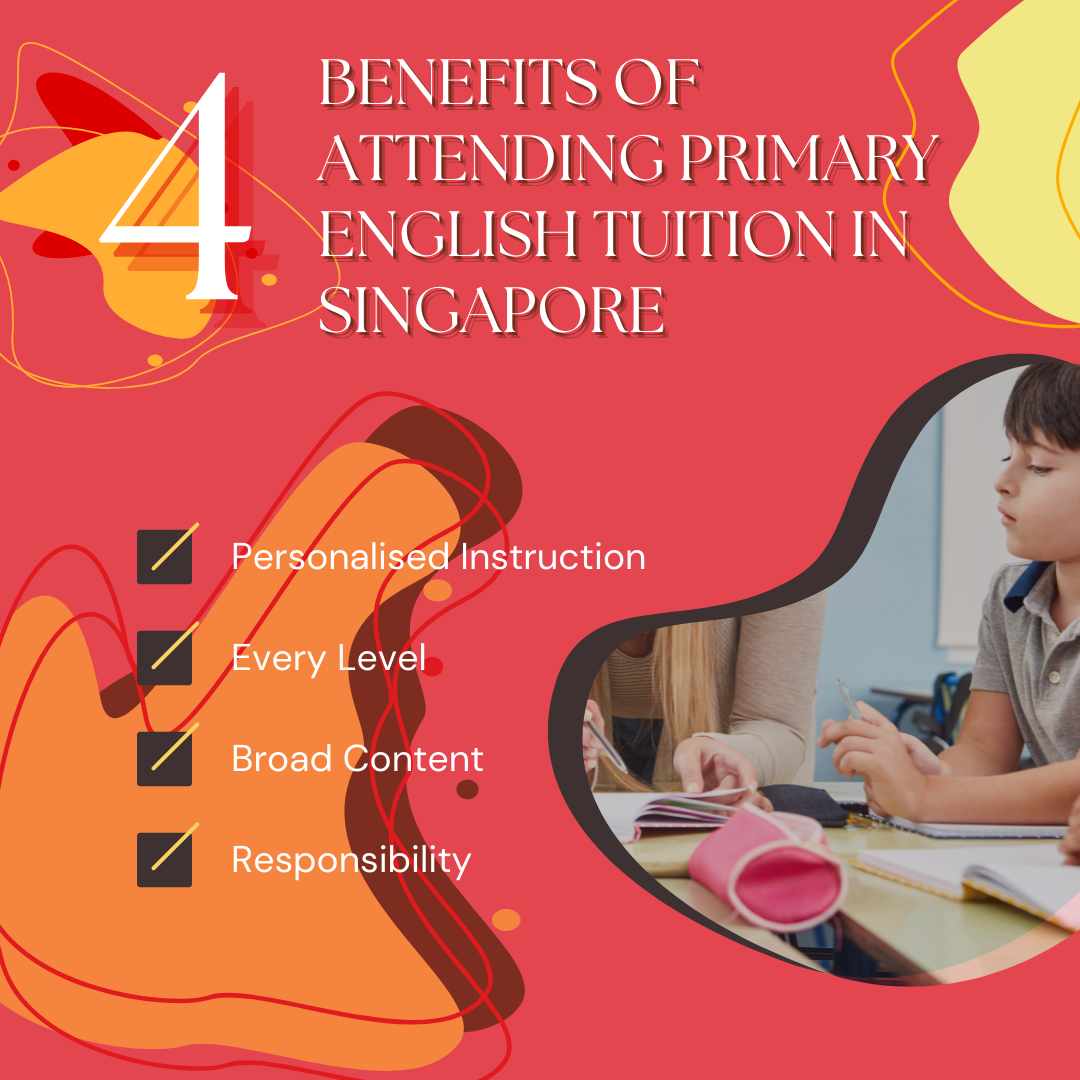
Consider whether the school offers primary school tuition programs. While not a necessity, tuition can provide additional academic support and guidance for your child. It helps to alleviate the pressure of academics and can contribute to enhanced learning outcomes. Evaluate the effectiveness and reputation of the tuition programs offered by the school.
Additional Support with Online Tuition in Singapore
With the rise of online education, many parents are turning to online tuition as an additional source of support for their child's education. Online tuition in Singapore offers the flexibility of learning from the comfort of one's home, provides access to experienced tutors, and allows for personalized learning.
Online tuition platforms in Singapore enable students to receive individualized attention and support in specific subjects where they may need additional help. These platforms often employ experienced tutors who can offer tailored guidance, cater to different learning styles, and provide one-on-one assistance when necessary. Additionally, the interactive nature of online tuition allows students to actively engage with the learning materials and seek clarification in real-time.
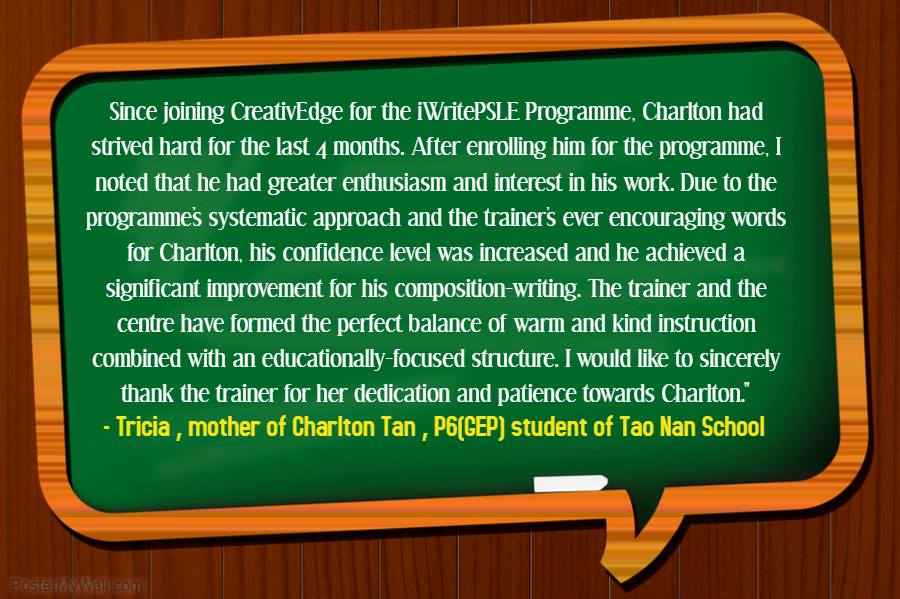
However, it is important for parents to carefully choose reputable and reliable online tuition platforms in Singapore. Look for platforms that have a track record of academic success and positive testimonials from other parents and students.
In conclusion, primary 1 registration in Singapore is a crucial step for parents in ensuring the right school placement for their child. Factors such as proximity to residence, academic performance, school culture, special needs support, co-curricular activities, and available tuition programs all play significant roles in the decision-making process. Additionally, online tuition in Singapore can provide an effective supplementary tool in enhancing a child's education and academic performance. By considering these key factors and exploring online tuition options, parents can make informed decisions that align with their child's needs and aspirations.