





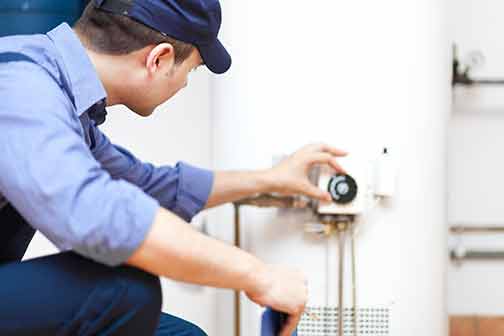
Every homeowner dreads the possibility of plumbing emergencies. Not only can they cause extensive damage to your property, but they can also be incredibly inconvenient and costly to fix. Luckily, there are several preventative measures you can take to safeguard your home's plumbing system and minimize the risk of emergencies. In this article, we will share expert tips on how to prevent plumbing emergencies and protect your home's plumbing system.
Regular Maintenance and Inspections
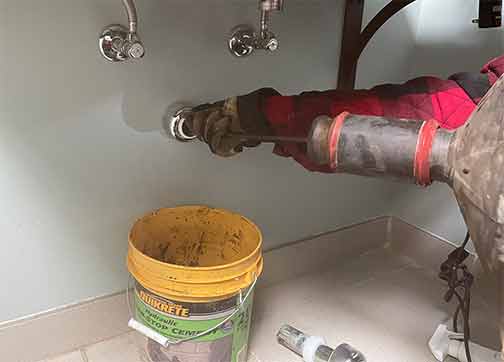
One of the best ways to prevent plumbing emergencies is to schedule regular maintenance and inspections. Hire a professional plumber nearby to visit your home annually or bi-annually to assess the condition of your plumbing system. They will identify any potential issues before they turn into emergencies. Regular inspections also help detect leaks, hidden blockages, or deteriorating pipes that may require immediate attention.
Proper Disposal of Waste
Many plumbing emergencies can be avoided by proper waste disposal. Avoid flushing items like wipes, feminine hygiene products, diapers, cotton balls, or paper towels down the toilet. It's best to dispose of these items in a garbage bin. Similarly, in the kitchen, avoid pouring grease or oil down the drain as it can solidify and cause blockages. By disposing of waste correctly, you can prevent clogs and potential plumbing emergencies.
Be Mindful of What Goes Down the Kitchen Sink
While it may seem convenient to rinse leftover food particles down the kitchen sink, it can lead to plumbing problems in the long run. Be mindful of what goes down the drain and use a sink strainer to catch food scraps before they enter the pipes. Avoid pouring coffee grounds, fibrous vegetables, or cooking oils down the sink as they can cause blockages and buildup. Taking preventive measures in the kitchen can save you from dealing with a plumbing emergency later on.
Insulate Exposed Pipes
In colder climates, freezing pipes are a common plumbing emergency. To prevent this from happening, insulate any exposed pipes in your home, especially those in unheated areas such as the basement, attic, or crawl spaces. Insulation can help retain heat and protect pipes from freezing and potentially bursting. Taking this simple step can save you from the hassle and expense of repairing a burst pipe.
Monitor Water Pressure
High water pressure can put unnecessary strain on your plumbing system, leading to leaks, pipe damage, or burst pipes. Install a pressure regulator near your main water supply to ensure the pressure remains within a safe range. If you notice sudden changes in water pressure, it's essential to investigate and address the issue promptly. Monitoring and maintaining proper water pressure can significantly reduce the chances of a plumbing emergency.
Know the Location of Shut-Off Valves
In case of a plumbing emergency, it's crucial to know the location of shut-off valves. Familiarize yourself with the main shut-off valve for the entire house and individual shut-off valves for specific fixtures such as toilets, sinks, and appliances. This knowledge can help mitigate damage in case of a burst pipe or major leak. Ensure that the shut-off valves are in good working condition and easy to access.
Regularly Clean Drains and Gutters
Blocked drains and gutters can contribute to plumbing emergencies, especially during heavy rainfall. Regularly clean your drains by using a drain cleaner or a mixture of baking soda and vinegar. Additionally, keep your gutters free from debris to allow proper water flow and prevent backups. By maintaining clean drains and gutters, you can avoid potential water damage to your home.
Education and Preparedness
Lastly, education and preparedness are key when it comes to preventing plumbing emergencies. Educate yourself and your family members about basic plumbing knowledge, such as what to do in case of a leak or how to shut off the water supply. Keep emergency contact information for a reliable emergency plumber handy. By being prepared and knowing the necessary steps to take, you can minimize the impact of a plumbing emergency.
Conclusion
Plumbing emergencies can disrupt your daily life and cause significant damage to your home. However, by implementing these expert tips for preventing plumbing emergencies and protecting your home's plumbing system, you can greatly reduce the risk of such incidents. Regular maintenance, proper waste disposal, monitoring water pressure, and being prepared are all crucial steps in maintaining a healthy and functional plumbing system. By taking the necessary precautions, you can enjoy peace of mind and avoid the stress and expenses associated with plumbing emergencies.
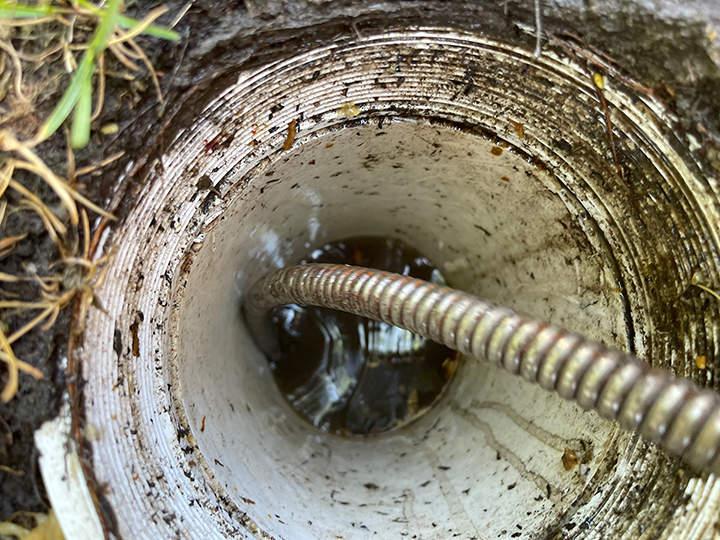

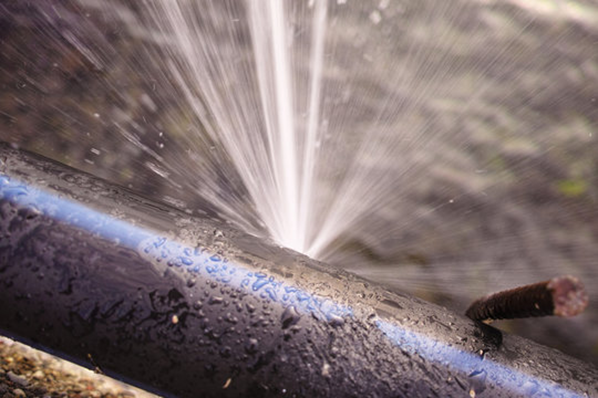
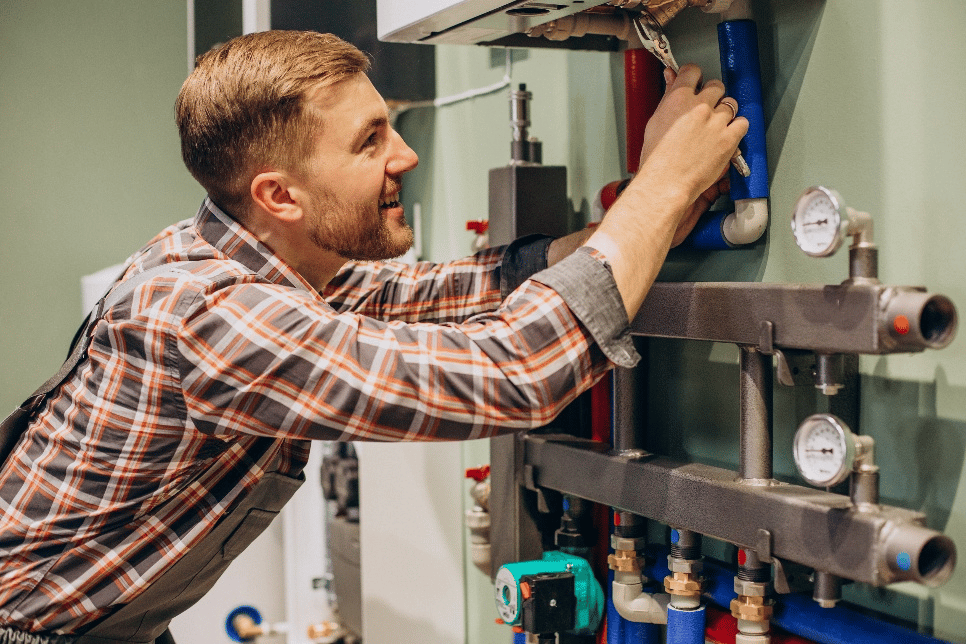
Plumbing emergencies can occur at any time.
It could be late in the night, early in the morning, or during a weekend as you have a great time with your family.
When these types of emergencies come, calling a professional plumber in Adelaide prevents the problem from escalating.Plumber Adelaide