Continuous Glucose Monitoring Technology
Continuous glucose monitoring (CGM) technology has revolutionized the way individuals manage their diabetes. This cutting-edge innovation provides real-time insights into blood glucose levels, eliminating the need for traditional fingerstick testing. CGM systems offer a more convenient and comprehensive method of monitoring glucose levels, enhancing the quality of life for patients with diabetes.
Non-Invasive Glucose Monitoring
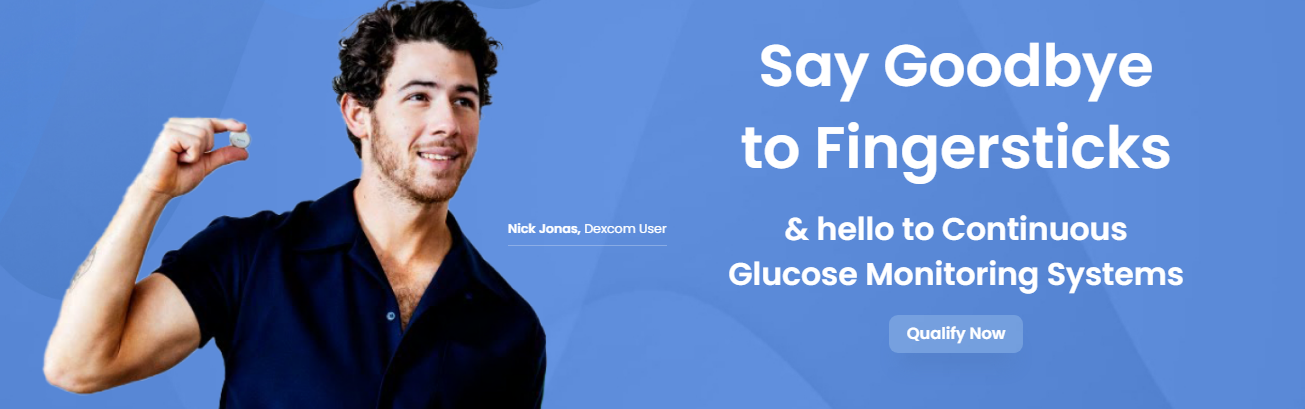
Traditional glucose monitoring methods often involved pricking the finger with a lancet to obtain a small blood sample. This process can be painful, inconvenient, and lead to decreased compliance. However, with the advent of non-invasive glucose monitoring, individuals with diabetes can bid farewell to fingersticks.
Non-invasive glucose monitoring utilizes advanced sensing technologies to measure blood glucose levels without the need for needles or blood samples. This approach eliminates pain and reduces the risk of infection while providing continuous and accurate glucose measurements. Technology such as optical sensors, biosensors, and chemical sensors enable non-invasive CGM systems to monitor glucose levels through body fluids, such as tears, saliva, or interstitial fluid.
Continuous Glucose Monitoring Systems
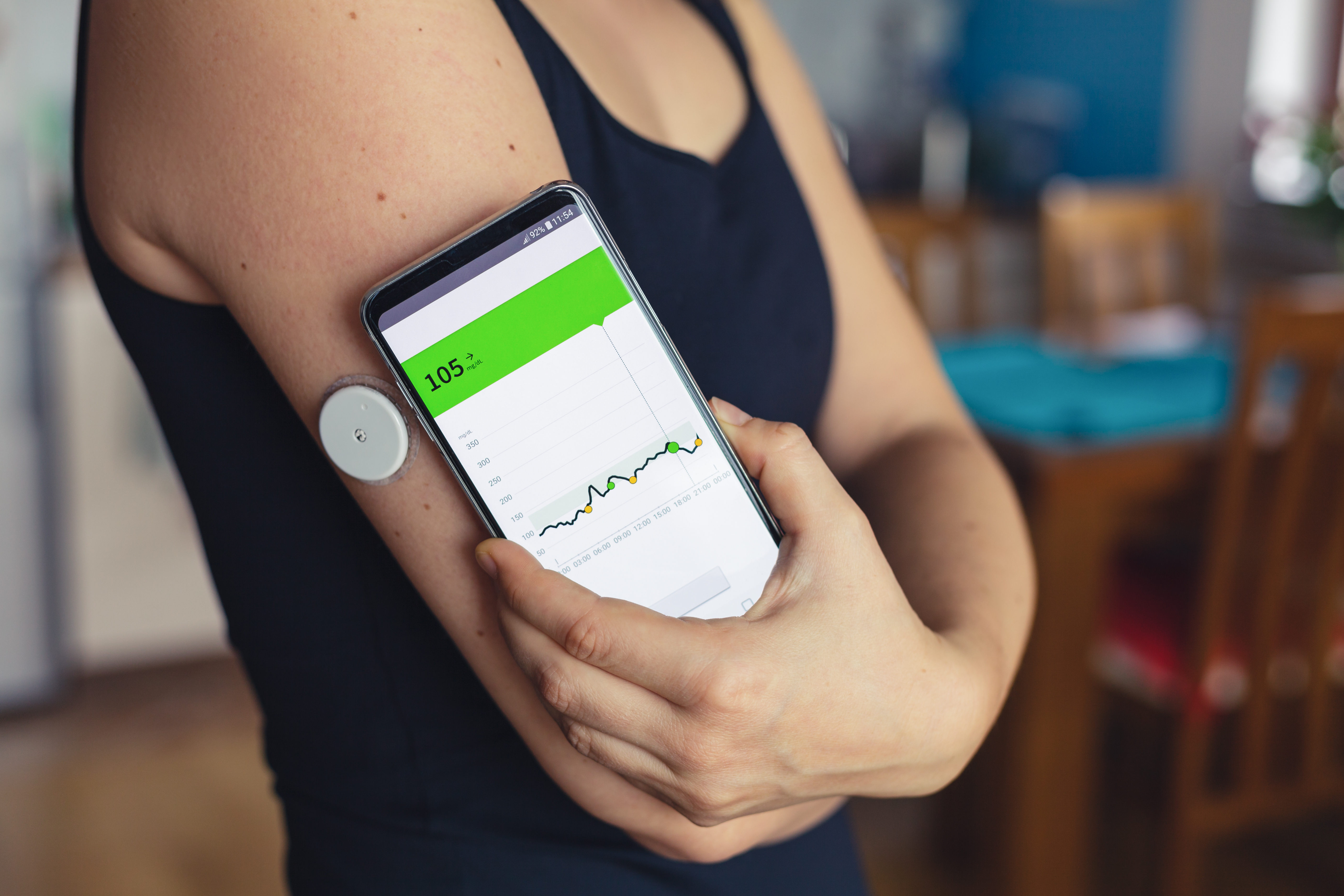
Continuous glucose monitoring systems consist of three vital components: a sensor, a transmitter, and a receiver/display device. The sensor is typically a small, disposable, and wire-like device that measures glucose levels in interstitial fluid. It is inserted just beneath the skin surface using a minimally invasive applicator, ensuring comfort throughout wear.
The sensor continuously monitors glucose levels and transmits the data to a small transmitter device. This transmitter is usually attached to the sensor or worn separately, securely fastened to the body. It wirelessly sends the glucose information to a receiver or display device, which can be a dedicated monitor, a smartphone, or a smartwatch.
The receiver or display device receives and processes the data, presenting real-time glucose measurements and trends to the user. Additionally, it can provide alerts, alarms, and customizable notifications to help individuals manage their glucose levels effectively. Some advanced CGM systems are integrated with software applications, allowing users to analyze their glucose data over time and share it with healthcare professionals for further guidance.
Continuous glucose monitoring systems offer numerous benefits over traditional glucose monitoring methods. They provide a comprehensive view of glucose trends, including information on glucose spikes, hypoglycemic episodes, and patterns that may go unnoticed with intermittent testing. This insight enables individuals to make informed decisions about their diet, exercise, and medication, leading to improved glycemic control.
Furthermore, CGM systems offer convenience and flexibility. They eliminate the need for frequent fingerstick testing, making diabetes management less invasive. Users can check their glucose levels discreetly and at any time, ensuring their well-being even during sleep or physical activities. This freedom and flexibility empower individuals to live fuller lives while effectively managing their diabetes.
In conclusion, continuous glucose monitoring technology and non-invasive monitoring techniques have transformed diabetes management. With the introduction of continuous glucose monitoring systems, individuals can say goodbye to fingersticks and hello to a more user-friendly and comprehensive approach to managing their glucose levels. These cutting-edge technologies enhance convenience, accuracy, and quality of life for people living with diabetes, enabling them to lead healthy lives with greater ease and peace of mind.