





Amazon is the world's largest online marketplace, with over 310 million active customers and billions of dollars in sales every year. If you want to start your own online business, selling on Amazon can be a lucrative and rewarding option. However, one of the biggest challenges for new sellers is how to source and manage inventory. Buying and storing products can be expensive, risky, and time-consuming. Fortunately, there are ways to sell on Amazon without holding any inventory yourself. In this article, we'll show you how to build a successful Amazon business without inventory using two methods: drop shipping and Fulfillment by Amazon (FBA). We'll also share some tips and best practices to help you optimize your sales and profits. Also, we recommend you learn how to sell on Amazon without inventory.
What is Drop shipping?
Drop shipping is a business model where you sell products that you don't own or stock yourself. Instead, you partner with a third-party supplier who handles the inventory, packaging, and shipping for you. When a customer places an order on your Amazon store, you forward the order details to your supplier, who then ships the product directly to the customer. You pay the supplier a wholesale price and keep the difference as your profit.
Drop shipping has several advantages for sellers who want to sell on Amazon without inventory:
- You don't need to invest in inventory upfront, which reduces your startup costs and risks.
- You don't need to worry about storing, packing, or shipping products, which saves you time and money.
- You can offer a wide range of products from different suppliers, which increases your product selection and customer appeal.
- You can test new products and markets without committing to large orders, which allows you to experiment and learn.
However, drop shipping also has some drawbacks and challenges that you need to be aware of:
- You have less control over the product quality, availability, and delivery time, which can affect your customer satisfaction and reputation.
- You have to deal with multiple suppliers, which can complicate your communication and order management.
- You have to comply with Amazon's policies and regulations for drop shipping, which include: You must be the seller of record for your products.
- You must identify yourself as the seller on all packing slips and invoices. You must be responsible for accepting and processing customer returns. You must not purchase products from another online retailer and have them shipped directly to customers.
How to Start Drop shipping on Amazon: A Step-by-Step Guide
If you want to start drop shipping on Amazon, here are the steps you need to follow:
- Choose a niche and products to sell. The first step is to decide what kind of products you want to sell and who your target customers are. You should choose a niche that has high demand, low competition, and good profit margins. You should also research the best keywords for your niche and products using tools like Google Keyword Planner or Amazon Keyword Tool.
- Find reliable suppliers for your products. The next step is to find suppliers who can provide you with high-quality products at competitive prices. You can use platforms like AliExpress, SaleHoo, or Spocket to find thousands of suppliers from around the world. You should also check the supplier's ratings, reviews, shipping times, return policies, and customer service before working with them.
- Create an Amazon seller account. To start selling on Amazon, you need to create an Amazon seller account. You can choose between two plans: Individual or Professional. The Individual plan charges $0.99 per item sold plus other fees, while the Professional plan charges $39.99 per month plus other fees. The Professional plan offers more features and benefits for sellers who plan to sell more than 40 items per month.
- List your products on Amazon. Once you have an Amazon seller account, you can list your products on Amazon using either the Seller Central dashboard or a third-party software like Inventory Source or Ecomdash. You should create compelling product titles, descriptions, images, and keywords that attract customers and rank well on Amazon's search engine. You should also set competitive prices for your products that cover your costs and generate profits.
- Promote your products and generate sales. After listing your products on Amazon, you need to promote them and drive traffic to your store. You can use various methods such as advertising on Amazon or other platforms, optimizing your SEO (search engine optimization), creating social media accounts or blogs, collecting reviews and feedback from customers, or offering discounts and coupons.
- Fulfill your orders and provide customer service. When a customer places an order on your store, you need to forward the order details to your supplier, who will then ship the product directly to the customer. You should also track the order status and update the customer accordingly. You should also provide excellent customer service and handle any issues or complaints that may arise. You should also process any returns or refunds that may be requested by customers.
What is Fulfillment by Amazon (FBA)?
Fulfillment by Amazon (FBA) is a service where you send your products to Amazon's fulfillment centers, and Amazon handles the storage, packaging, shipping, and customer service for you. When a customer places an order on your Amazon store, Amazon picks, packs, and ships the product to the customer. Amazon also handles any returns or refunds that may be requested by customers.
FBA has several advantages for sellers who want to sell on Amazon without inventory:
You can leverage Amazon's reputation, trust, and reach, which can boost your sales and conversions.
You can save time and money on fulfillment and logistics, which can increase your efficiency and profitability.
You can offer fast and free shipping to your customers, which can enhance your customer satisfaction and loyalty.
You can access Amazon's Prime program, which gives you access to millions of loyal customers who spend more and buy more frequently.
- You can expand your business to other markets and countries using Amazon's global network of fulfillment centers.
However, FBA also has some drawbacks and challenges that you need to be aware of:
- You have to pay fees for using FBA, which include storage fees, fulfillment fees, referral fees, and other fees. These fees can vary depending on the size, weight, category, and seasonality of your products.
- You have to comply with Amazon's policies and regulations for FBA, which include:
- You must prepare and label your products according to Amazon's standards.
- You must ship your products to Amazon's fulfillment centers using Amazon's preferred carriers. You must monitor your inventory levels and replenish your stock as needed. You must maintain a high level of performance and quality metrics.
Tips and Best Practices for Selling on Amazon Without Inventory
Whether you choose to sell on Amazon without inventory using drop shipping or FBA, here are some tips and best practices to help you succeed:
- Do your market research. Before you start selling on Amazon, you should do thorough market research to identify the best products, niches, keywords, and prices for your business. You can use tools like Jungle Scout, Viral Launch, or AMZS cout to help you with your market research.
- Choose reputable suppliers. Your suppliers are the backbone of your business, so you should choose them carefully. You should look for suppliers who offer high-quality products, competitive prices, fast and reliable shipping, and good customer service. You should also check their ratings, reviews, and feedback from other sellers before working with them.
- Optimize your product listings. Your product listings are the first impression that customers have of your products and your brand, so you should optimize them to attract and convert customers. You should create compelling product titles, descriptions, images, and keywords that showcase the benefits and features of your products and match the customer's search intent. You should also use tools like Merchant Words, Keyword Tool Dominator, or Sonar to help you with your keyword research.
- Provide excellent customer service. Customer service is one of the most important factors that affect your reputation and sales on Amazon. You should provide excellent customer service by responding to customer inquiries, issues, and complaints promptly and professionally. You should also encourage customers to leave positive reviews and feedback for your products and your store. You should also use tools like Feedback Genius, Feedback Whiz, or BQool to help you with your feedback management.
- Monitor and analyze your data. Data is the key to improving and growing your business on Amazon. You should monitor and analyze your data regularly to track your sales, profits, costs, inventory levels, performance metrics, and customer behavior. You should also use tools like SellerApp, Seller Legend, or Profit Bandit to help you with your data analysis.
Conclusion
Selling on Amazon without inventory is a great way to start or grow your online business without investing in stock or handling fulfillment and logistics yourself. You can choose between two methods: drop shipping or FBA. Both methods have their advantages and disadvantages, so you should weigh them carefully before deciding which one suits your business goals better. You should also follow the tips and best practices we shared in this article to help you optimize your sales and profits on Amazon.
We hope this article has given you a comprehensive guide on how to sell on Amazon without inventory. If you have any questions or comments, please feel free to leave them below. Happy selling!

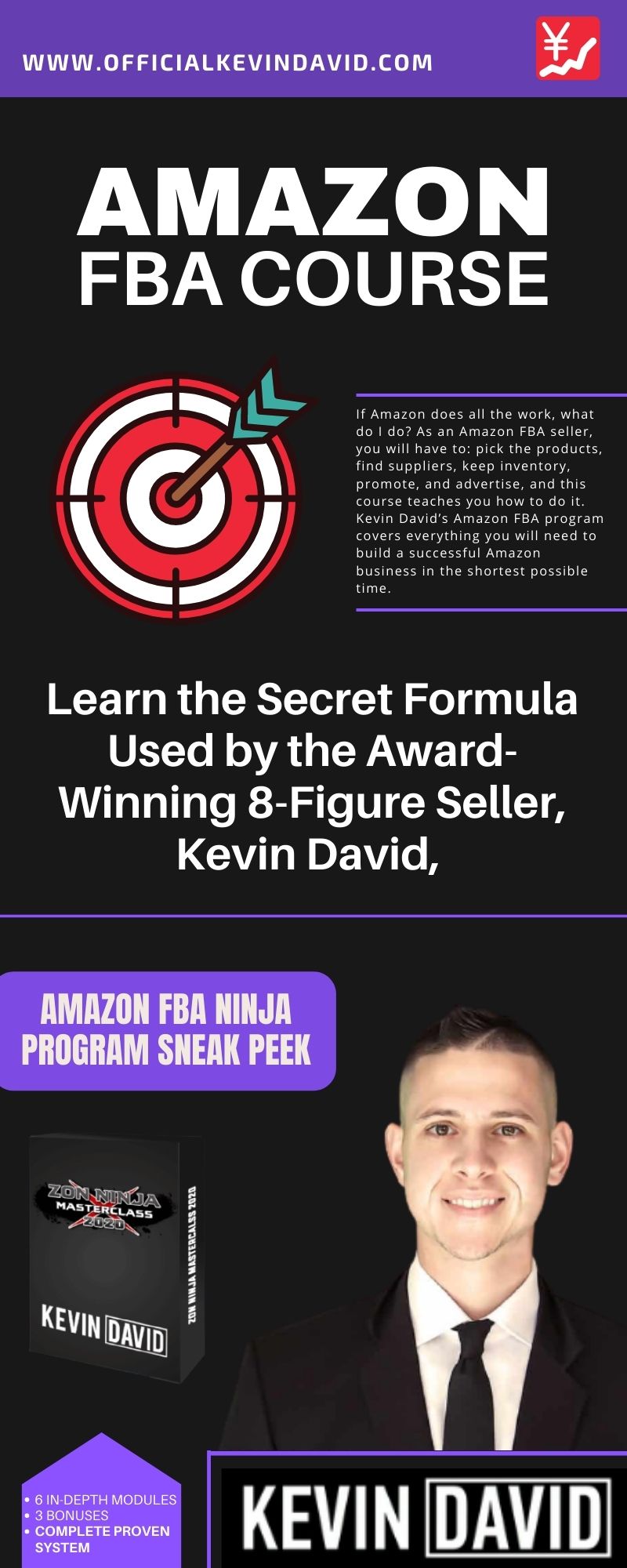
The Amazon FBA means Amazon Fulfilled-by-Amazon.
Kevin David’s Amazon FBA Course covers everything you will need to build a successful Amazon business in the shortest possible time.
Visit and Learn the Secret Formula Used by the Award-Winning 8-Figure Seller, Kevin David.
Visit our website for more detail.

Vend Review is the participant in the Amazon associate program, which is an affiliate advertising program.
The primary purpose of that program is to provide the ads to websites that will help to earn by advertising and linking an Amazon.com platform to their sites.Amazon Provides pictures, Amazon logos, Affiliate links.
Moreover, we will earn an affiliate commission from the qualifying purchases if users buy from our links.As we know, online shopping is time-consuming and effort work.
You may spend several hours seeking products and reading its reviews and reach the end result, but after reading multiple reviews of the products, you still not confident in your final selection.
Then don’t worry, we know the reason behind it because it happens with us too.visit here (https://vendreview.com/)
“If you’re competitor-focused, you have to wait until there is a competitor doing something.
Being customer-focused allows you to be more pioneering.” – Jeff Bezos – Founder and CEO Amazon.comAmazon has been declared the world’s most innovative company recently by Forbes and they thoroughly deserve the title.
In his own words, “Our job is to invent new options that nobody ever thought of before and see if customers like them.” The resounding success of Amazon is a clear proof that Amazon is growing and how and Bezos is also reaping the benefits at a personal level too.
That’s why Amazon was fully confident when it started to invest chartered into yet another territory, online advertising.
It does so by using its rich and huge data it has masses over the years working as an eCommerce leader worldwide.
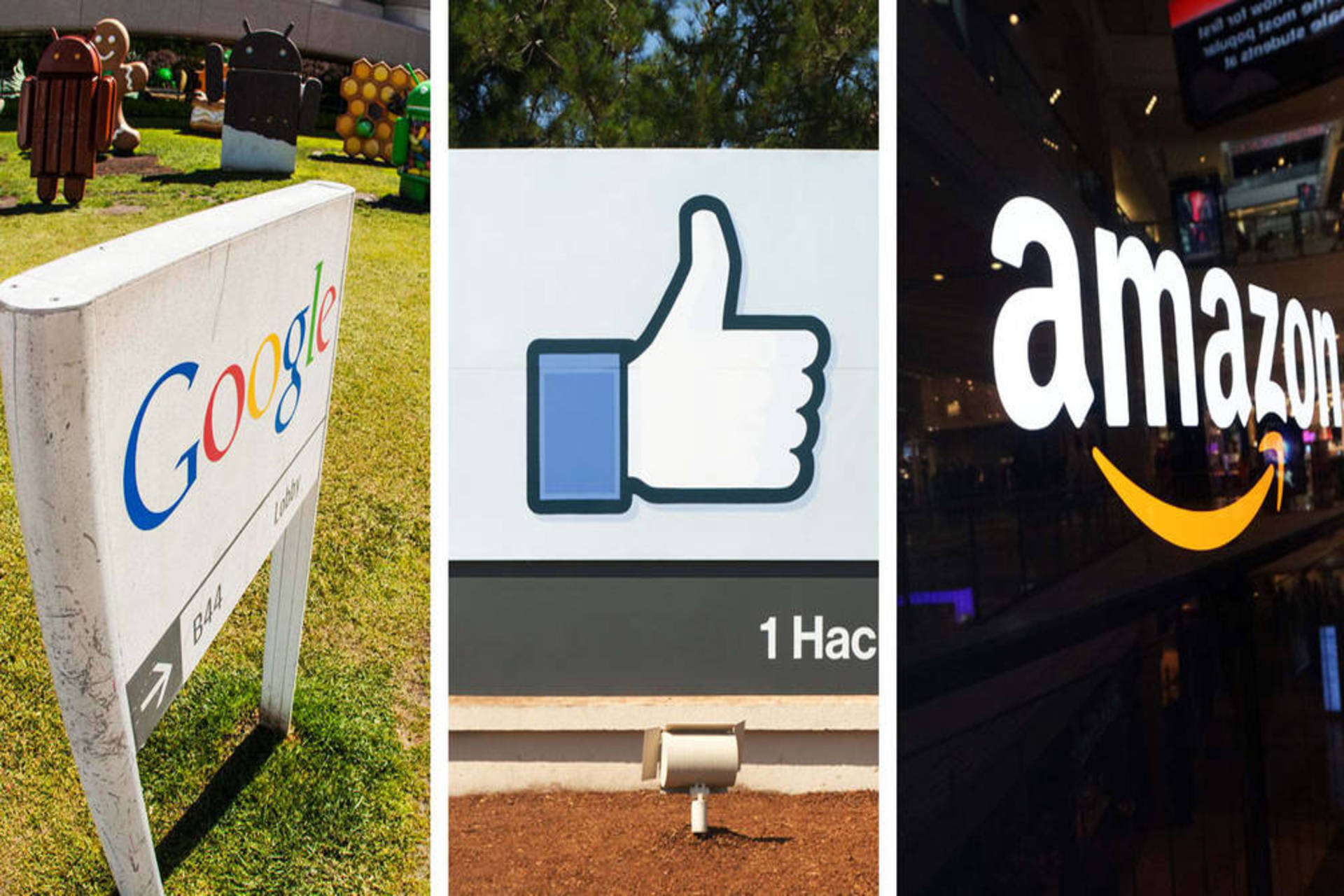
An example will clear your doubts about how it can be such a big force to reckon with so that it can compete with Google and Facebook in terms of revenue.Assume that you are an advertiser who wants to target people who have recently searched for or actually bought leather jackets in the past 2 months.