
Quality control is crucial for businesses operating in China. The country's vast manufacturing capabilities make it a significant player in the global supply chain. However, ensuring consistent product quality can be challenging due to factors such as diverse supplier networks, cultural differences, and evolving regulatory landscapes. To overcome these challenges, businesses must implement robust quality control measures and leverage the expertise of quality control companies.
In this blog post, we will explore the 5 best practices for effective quality control in China, focusing on the critical role of quality control agencies in optimizing inspection strategies.
1. Partnering with Reputable Quality Control Companies
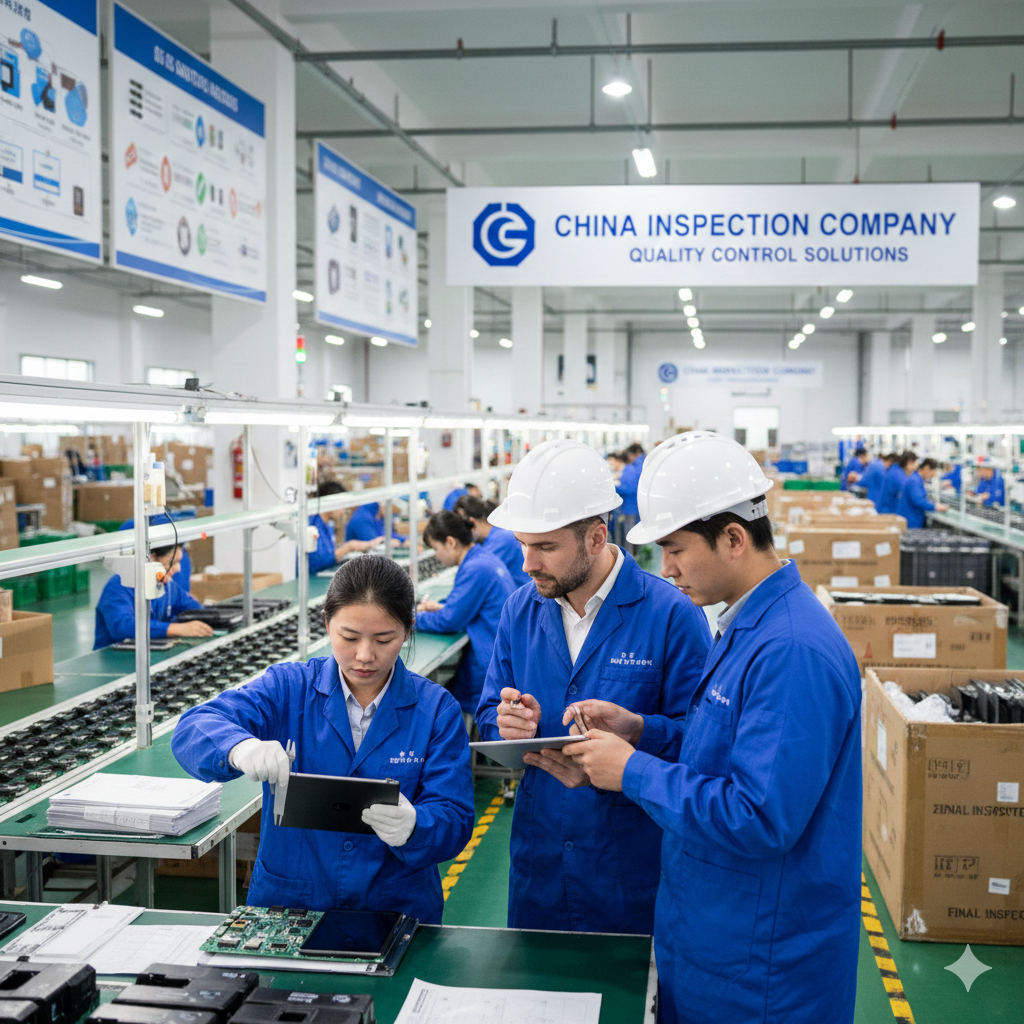
Collaborating with trusted quality control companies in China is a fundamental step toward implementing effective quality control practices. These companies specialize in conducting comprehensive inspections, factory audits, and product testing, leveraging their expertise and knowledge of local manufacturing practices.
When selecting a quality control company, consider its track record, industry reputation, certifications, and the range of services they offer. Engaging with a reputable partner ensures access to a skilled team of inspectors who can evaluate product quality, monitor production processes, and identify potential issues before they impact the final product.
2. Tailoring Inspection Protocols to Specific Requirements
Each industry and product has unique quality requirements. It is essential to work closely with the quality control company to develop customized inspection protocols aligned with your specific quality standards, industry regulations, and customer expectations. This collaboration allows for a targeted and efficient quality control process.
Clearly communicate your quality expectations, including product specifications, packaging requirements, labelling guidelines, and performance metrics. By providing detailed guidelines to the quality control company, you empower them to carry out inspections that meet your specific quality control objectives.
3. Implementing Pre-production and During-production Inspections
To ensure proactive quality control, it is advisable to conduct inspections at multiple stages of the production process. Pre-production inspections allow for an early evaluation of raw materials, components, and production plans. This step helps identify potential quality issues, verify supplier capabilities, and address any concerns before production begins.
During-production inspections assess product quality during the manufacturing process. These inspections cover areas such as product assembly, workmanship, and adherence to production schedules. By conducting these inspections, businesses can promptly detect and rectify any deviations or non-compliance, minimizing the risk of manufacturing defects or delays.
4. Sampling Techniques and Statistical Analysis
Quality control companies employ various sampling techniques to evaluate product quality effectively. These techniques include random sampling, stratified sampling, and attribute sampling, among others. Understanding the appropriate sampling method for your product and applying statistical analysis to the inspection results can provide valuable insights into the overall product quality.
By utilizing statistical analysis, you can identify patterns, trends, and potential areas of improvement. This data-driven approach allows businesses to make informed decisions about production processes, supplier selection, and quality improvement initiatives.
5. Continuous Improvement and Supplier Collaboration
Effective quality control in China requires a commitment to continuous improvement. Establish a collaborative relationship with your suppliers, sharing inspection findings and working together to address any identified issues. Regular communication and feedback loops help build trust, foster accountability, and drive quality improvement throughout the supply chain.
Collaborating with suppliers on quality control initiatives, such as process optimization and defect prevention, can result in long-term quality enhancements. Quality control companies can act as mediators, facilitating effective communication and driving collaborative efforts for continuous improvement.
Conclusion
Implementing best practices for effective quality control in China is essential for businesses aiming to deliver high-quality products consistently. By partnering with reputable quality control companies, tailoring inspection protocols, conducting pre-production and during-production inspections, utilizing sampling techniques and statistical analysis, and fostering supplier collaboration, businesses can optimize their inspection strategies and enhance product quality.
Embracing these practices enables companies to mitigate risks, safeguard brand reputation, and build long-term success in China's dynamic manufacturing landscape.


AT A GLANCEChallenges of an inventory can be both daunting and persistently confusing for shippers/ suppliers; however, a strategic re-evaluation can do wonders to your inventory management.Accuracy, agility, and quality seem to be the main driving factors in today’s inventory management scenario.Companies need to make the necessary changes to their approach to inventory management strategies today to have a seamless supply chain and, eventually, a satisfied customer base.As technologies and the latest strategic trends bring on a blanket change across various industries and their related subsets of functions, organizations need to adapt to these trends.
Thus, both B2B and B2C markets continually look for ways to efficiently manage their inventories’ challenges.48%of supply chain and transportation executives say they are experiencing the need to reevaluate warehouse locations due to shifting trade patterns resulting from changes in the U.S. economy.Source: A Report by Forbes InsightWhether you are a manufacturer, supplier, or retailer, the road ahead to managing your inventory effectively is full of complexities as well as opportunities.
Let us look at various good inventory management practices that will help you unravel these problems while tapping many efficient inventory management options.01.Be Efficient When You Go OmnichannelThese days, the customers/ consumers are empowered by various online applications, e-stores, and even physical shopping options to complete their order.
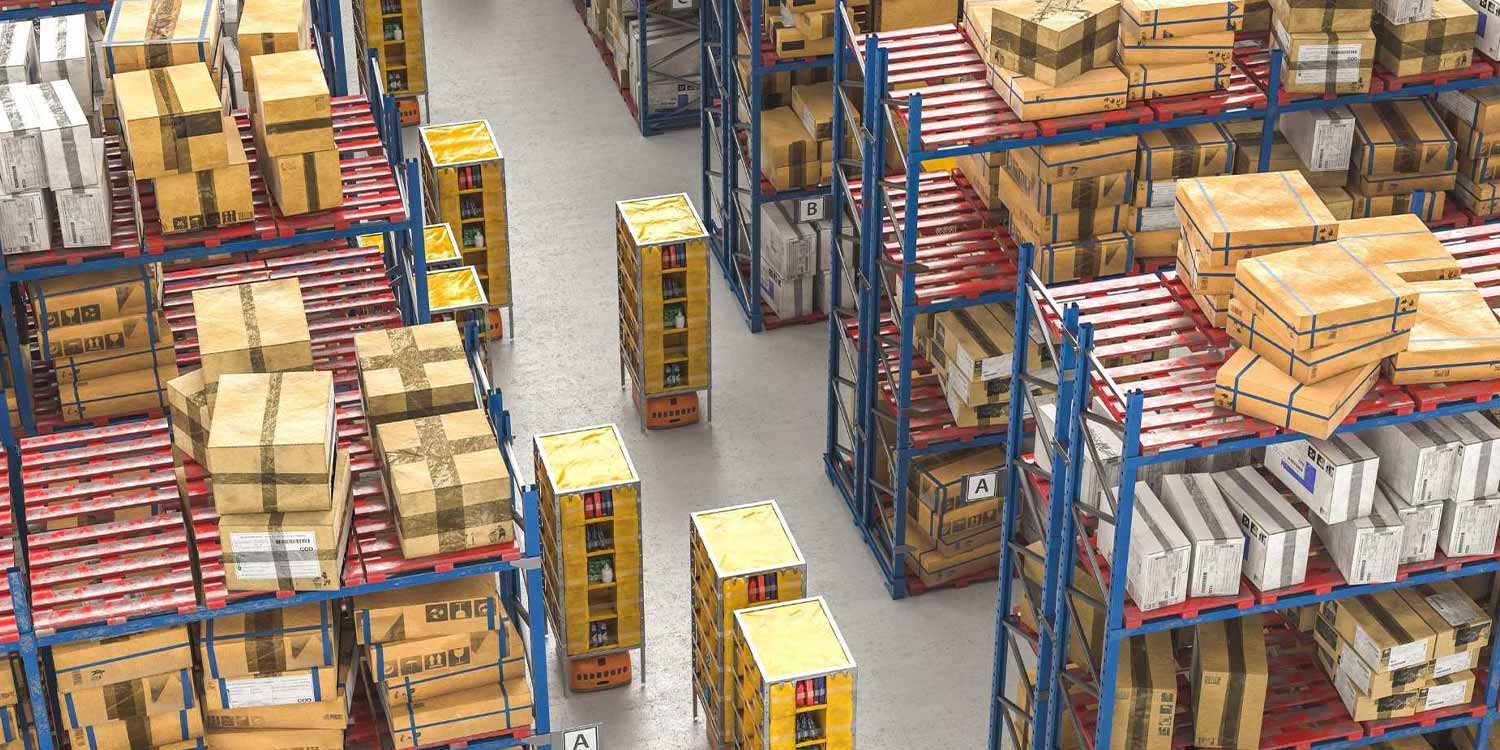
An omnichannel store that operates both physically and online needs to purchase data and patterns for predictive analysis to preempt customer demands and stock their inventories accordingly.FIGURE 1:An Omnichannel Retailer’s Inventory02.Create an Efficient Connected EcosystemLong gone are the days when inventories were simply warehouses located close to the supplier base and managed as a separate function.
Companies are setting up distribution centers closer to the customer-base to help streamline order fulfillment.
Also, these distribution centers, when integrated through a common and efficient warehouse management software, can share data and prevent stock-outs.04.Balancing the Influx of InventoryThere has always been discord between stocking up on inventory and the actual space available in shippers/suppliers’ warehouses to store the inventory.