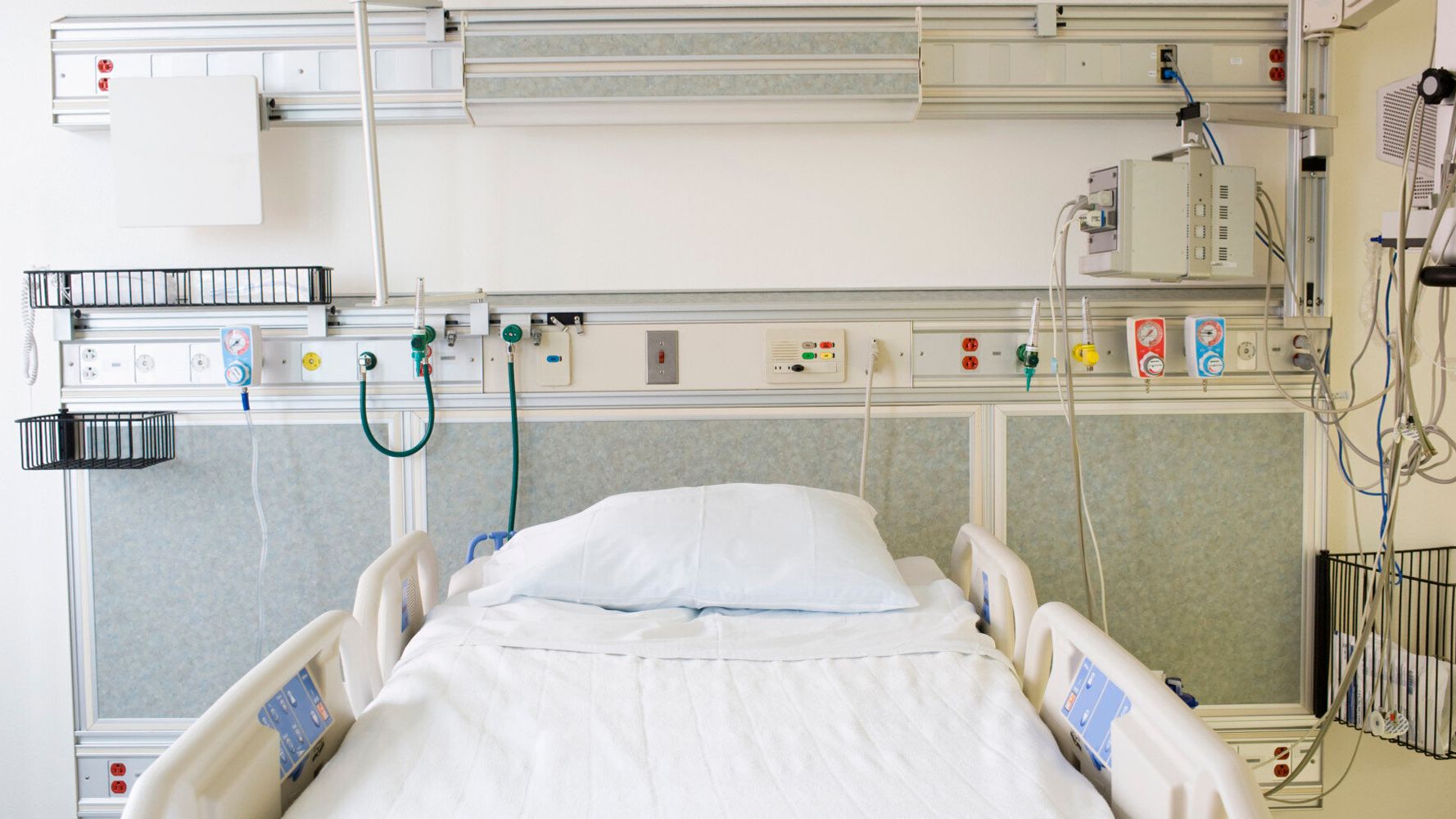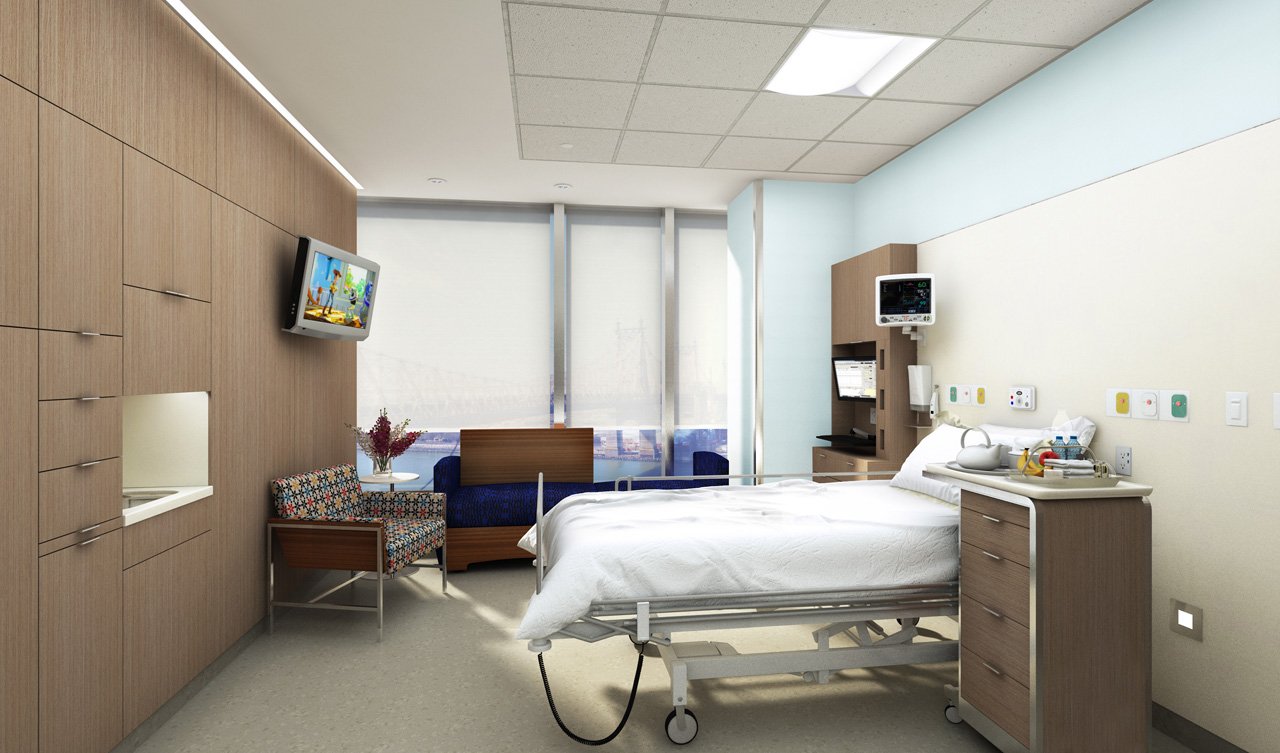
Selecting the appropriate Hospital beds is a crucial decision for healthcare providers, as it directly impacts patient comfort, safety, and recovery. With the vast array of hospital beds options available today, understanding the specific needs of patients and the features of different beds is essential to make informed choices. This guide aims to assist healthcare providers in choosing the right hospital beds for their facilities and patients.
The first consideration when choosing a Hospital beds is the level of care it will be used for. Different units and patient conditions require varying features and functionalities. For general medical-surgical units, standard electric adjustable beds with essential features like height adjustment and backrest articulation are often sufficient. However, for specialized units like intensive care or critical care, more advanced beds with integrated monitoring systems and therapeutic functions may be necessary to ensure optimal patient care.
The next factor to evaluate is the patient's specific medical needs. For patients at risk of pressure ulcers or with existing skin conditions, Hospital beds with low air loss or alternating pressure mattresses are recommended to prevent skin breakdown and promote healing. Patients with mobility issues may benefit from beds that offer lateral tilt functionality for easier transfers or rotation features to assist with turning and repositioning. Assessing the patient's condition and anticipated care requirements will help identify the bed features that will best support their recovery journey.
Additionally, considering patient size and weight is crucial, especially when dealing with bariatric patients. Bariatric Hospital beds are designed to accommodate higher weight capacities, and choosing the appropriate bed will ensure patient safety and comfort during their hospital stay. Similarly, pediatric patients may require specialized beds that are designed to meet their unique needs, such as adjustable siderails and cheerful designs to create a child-friendly environment.
Another essential aspect to address is infection control. Hospital-acquired infections are a significant concern, and Hospital beds can be potential vectors for transmission. Opting for beds with smooth surfaces and seamless designs can help minimize bacterial buildup and facilitate easier cleaning and disinfection procedures. Additionally, choosing beds with antibacterial coatings or materials can provide an extra layer of protection against harmful pathogens.
Finally, budget considerations should not be overlooked. While it is essential to invest in high-quality Hospital beds that meet patient needs, healthcare providers must balance their budgetary constraints. Delivery Beds are an essential piece of equipment in obstetrics, serving as a supportive surface for laboring and delivering babies in hospitals and birthing centers. Conducting thorough research on available options, comparing prices, and negotiating with suppliers can help achieve the best value for the investment.
Choosing the right Hospital beds requires a comprehensive understanding of patient needs, medical requirements, infection control measures, and budget constraints. By carefully evaluating these factors and collaborating with bed manufacturers or suppliers, healthcare providers can ensure that their patients receive the best possible care and comfort during their hospital stay.