





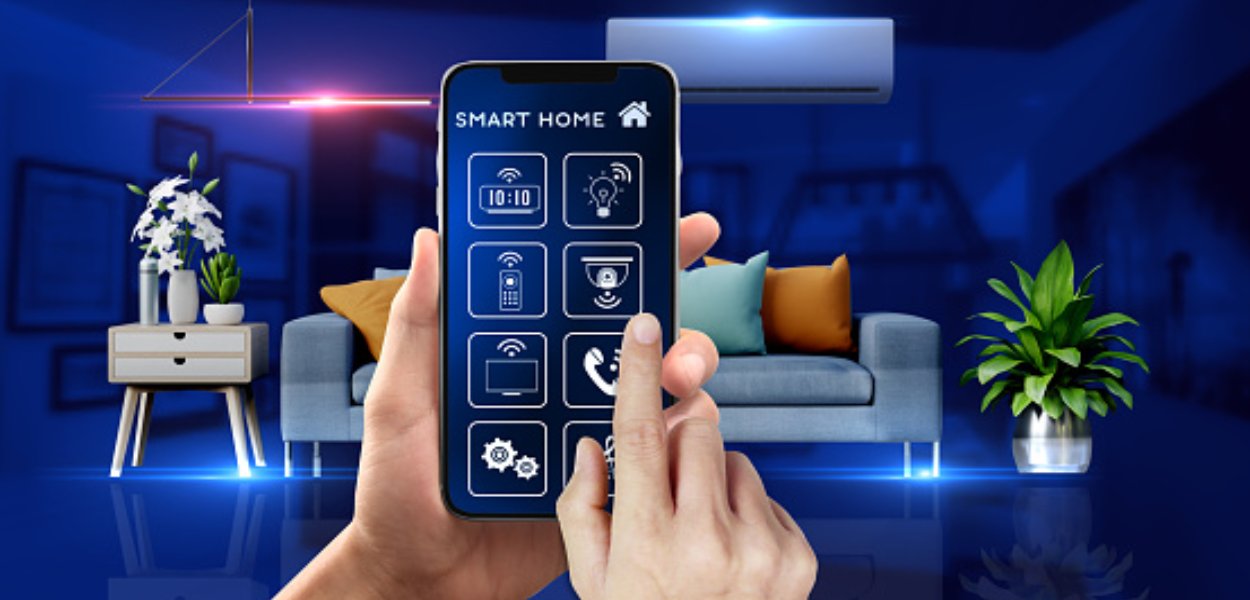
Are you looking to create a smart home automation app for your residence? Smart home automation apps have become increasingly popular in recent years, offering users a variety of convenient and exciting options for controlling their home environment. Building an app of this kind can seem daunting, but if you take it step by step, it can be an incredibly rewarding and satisfying process. In this blog post, we will precisely discuss the opportunities, challenges, process and costs of building a smart home automation app, providing helpful tips and guidance along the way.

Opportunities in the Smart Home Automation App Market
Have a look at some opportunities in the smart home automation app market:
- The smart home automation industry is booming, with projections estimating that it will reach $141 billion by 2023.
- As the market grows, there is an increasing demand for innovative smart home automation apps that precisely offer users enhanced functionality, convenience, and ease-of-use.
- Smart home automation apps are becoming increasingly popular among homeowners, especially those who are interested in increasing energy efficiency, enhancing security, and improving the overall comfort and convenience of their homes.
- With the rise of the Internet of Things (IoT), smart home automation apps are now able to connect to a range of different devices, such as thermostats, lighting, security systems, and home entertainment systems, offering users an unparalleled level of control and customization.
- The potential for revenue generation in the smart home automation market is significant, with apps offering various revenue models such as subscription-based services, in-app purchases, and advertising.
- With the rise of smart homes, there is an opportunity for app developers to tap into this burgeoning market and create innovative and compelling smart home automation apps that appeal to a broad range of users.
- There is also an opportunity for app developers to work with smart home manufacturers to integrate their apps with existing systems, offering users a more streamlined and unified experience.
Challenges of Building a Smart Home Automation App
Building a Smart Home Automation App is not without its fair share of challenges. The Smart Home Automation App market is already crowded, with many players vying for a piece of the pie. It is essential to stand out in this competitive market, and that is where the challenges come in.
One of the significant challenges of building a Smart Home Automation App is compatibility. Your app must work with multiple devices and platforms seamlessly. The IoT ecosystem is vast and diverse, with many hardware and software vendors offering a range of products. Your app should support these products to reach a broader customer base.
Security is a top priority when it comes to building a Smart Home Automation App. Your app will have access to sensitive information about the user's home, and it is essential to secure that data. You must implement robust security measures to ensure that your app is safe from any potential threats.
Integrating your app with existing systems can be a significant challenge. Smart homes often have multiple devices and systems, and your app must integrate seamlessly with them. Failure to do so will result in a poor user experience, which can affect the success of your app.
Smart home automation apps are complex, and designing them can be a challenge. The app must be intuitive and user-friendly, while at the same time offer advanced functionality. You must strike a balance between simplicity and complexity to provide an excellent user experience.
Testing a Smart Home Automation App can be challenging due to the variety of devices and platforms. It is essential to test the app on multiple devices and platforms to ensure that it works correctly.
Despite the challenges, building a Smart Home Automation App can be a rewarding experience. Overcoming these challenges will help you create an app that is user-friendly, intuitive, and meets the needs of your target audience.
The Step-by-Step Process of Building a Smart Home Automation App
Building a smart home automation app can be a daunting task, but by following a step-by-step process, you can ensure that your app is effective, efficient, and user-friendly. Here are the steps to precisely building a smart home automation app:
Step 1. Conduct Research:
To specifically build a smart home automation app, you need to research the market, your competitors, and your potential users. This will help you determine the needs and desires of your target audience, identify gaps in the market, and understand what features and functionality are necessary for your app to succeed.
Step 2. Develop a Concept:
Based on your research, develop a concept for your smart home automation app. Consider what features and functionality are most important for your target audience, and how your app can meet those needs in a unique and innovative way.
Step 3. Plan Your App:
Develop a plan for your smart home automation app, precisely including the features, functionality, and design. This plan should be detailed, including wireframes, mockups, and a project timeline.
Step 4. Choose a Platform:
Choose the platform for your smart home automation app, whether it is iOS, Android, or both. This will impact the development process, so choose wisely.
Step 5. Develop and Design:
Begin development and design of your smart home automation app. Work with a team of designers and developers to ensure that your app is visually appealing, intuitive, and user-friendly.
Step 6. Test Your App:
Test your app to ensure that it works properly and is free from bugs and glitches. This will help ensure that your app is functional and reliable.
Step 7. Launch Your App:
Once your app is ready, launch it on the app store(s). This is an exciting moment, and one that should be celebrated.
By following this step-by-step process, you can build a smart home automation app that meets the needs and desires of your target audience, is user-friendly and reliable, and stands out in a crowded market.
Determining the Costs of Building a Smart Home Automation App
When it comes to building a smart home automation app, cost is an important consideration. While there is no fixed price for building an app, several factors can influence the costs involved. As you embark on the journey to create your app, it's important to determine the costs involved to avoid any surprises.
The cost of building specifically a smart home automation app depends on several factors such as the features you want to include, the complexity of the app, and the development team you hire. Other factors include the app's platform, design, and maintenance.
To get an idea of how much it costs to build a smart home automation app, it's essential to research and compare quotes from various app development companies. These companies can help you determine the scope of the project, the resources needed, and the development timeline. It's essential to find a reputable app development company that has experience in building smart home automation apps and has a portfolio of successful projects.
Another cost consideration is the app's maintenance, which is an ongoing cost that can vary depending on the complexity of the app. Regular updates are needed to fix bugs, add new features, and ensure compatibility with new devices. Thus, it's essential to consider these maintenance costs before starting your app development project.
Finally, marketing and advertising costs are another essential consideration when it comes to the cost of building a smart home automation app. It's essential to develop a marketing strategy to attract customers and make your app visible in a highly competitive market. This marketing strategy should be included in the initial app development budget to ensure its success.
Essential Features for a Smart Home Automation App
As the world moves towards a more connected and tech-savvy lifestyle, the demand for smart home automation apps is only going to increase. In order to build a successful app, it is crucial to incorporate certain essential features that cater to the needs of your target audience. Here are some of the must-have features for a smart home automation app:
1. Device Control: One of the primary functions of a smart home automation app is to control the various devices in a home. It is important to ensure precisely that your app can seamlessly connect and control different devices like smart lights, thermostats, locks, and cameras.
2. Customization: A personalized experience is something that every user looks for in an app. Incorporating customizable options for the app’s interface and features gives users the ability to tailor the app according to their preferences.
3. Voice Integration: With the rise of voice assistants like Alexa and Google Home, voice integration has become a crucial feature for a smart home automation app. It enables users to control their devices hands-free, adding a new level of convenience and accessibility.
4. Security: Security is a major concern when it comes to smart homes. Therefore, it is important to incorporate features like two-factor authentication, encrypted data transfer, and notifications to keep the user’s home secure.
5. Energy Efficiency: A smart home automation app that incorporates features to increase energy efficiency like scheduling the usage of lights and temperature control, not only benefits the environment but also reduces the user's electricity bills.
Best Practices for Designing a Smart Home Automation App
Designing a smart home automation app can be a challenging task as you need to provide users with an intuitive interface that simplifies complex technology. Here are some best practices that you can follow to design an effective smart home automation app:
1. Keep it Simple: Make sure that your app has an easy-to-use interface that specifically allows users to navigate and control their devices with ease. Use a minimalist design approach and precisely limit the number of buttons and options available on the screen.
2. Use Visual Cues: Use clear and simple icons, color codes, and visual cues to help users understand how to control their devices and customize their settings.
3. Personalization: Provide users with the ability to customize their home automation experience according to their preferences. This could include customizing the app's theme, device settings, and automations.
4. Consistency: Maintain a consistent design style throughout the app, including fonts, colors, and buttons. This creates a cohesive user experience that is easier to navigate and understand.
5. Feedback: Provide users with clear feedback on their actions, such as a confirmation message or animation, to let them know that their actions have been recognized and processed.
6. Consider Voice Control: Many users prefer to control their devices using voice commands. Therefore, it is essential to include a voice control option in your smart home automation app.
By following these best practices, you can design an intuitive and user-friendly smart home automation app that enhances the user experience and simplifies home automation.
Testing and Launching Your Smart Home Automation App
After putting in all the hard work, you're almost ready to launch your Smart Home Automation App into the world! But before you do, it's essential to make sure everything is working smoothly and that there aren't any major issues that could cause your app to crash.
The first step is to precisely conduct thorough testing. This means you need to test every feature of your app to make sure it's functioning as intended. You'll need to test different scenarios and scenarios of interaction, and check for any bugs or glitches that could impact the user experience. It's important to be meticulous and go through every possible use case to ensure the best experience for your users.
Next, you'll need to specifically work on the final touches of your app, such as polishing the design, refining user flow, and ensuring a smooth user experience. This is the time to make any final changes before launching the app.
Finally, it's time to launch! You can't sit back and expect your app to go viral on its own; you need to actively market your app and build buzz around it. Utilize social media platforms and app review sites to spread the word and encourage downloads. Don't forget to monitor the feedback and user reviews after launching, as these can be valuable insights for improving your app even further.
Marketing Your Smart Home Automation App
Congratulations! Your Smart Home Automation app is finally built and ready to launch. But how will you make sure that your app stands out in the competitive market and reaches its potential audience? This is where marketing comes into play. Marketing your Smart Home Automation app effectively can help you attract customers and build a strong brand image.
Start by identifying your target audience and understanding their needs and pain points. Use social media platforms like Facebook, Twitter, Instagram and LinkedIn to promote your app and reach your target audience. Consider paid advertising options such as Google Ads, social media ads, and influencer marketing campaigns to increase visibility and awareness.
Invest in Search Engine Optimization (SEO) to improve the app’s visibility on search engines and enhance your website’s ranking on search engine result pages. Develop content marketing strategies like blogging, video marketing, and email marketing to create value for your customers and build engagement.
Incentivize users to try out your app by offering discounts, referral bonuses, or even a free trial period. Don’t forget to gather feedback and use customer testimonials to showcase the value your app provides.
Marketing your Smart Home Automation app may seem daunting at first, but with the right strategies and mindset, it can help you grow your customer base and ultimately increase revenue.
Conclusion
Building a smart home automation app can be a challenging but rewarding venture. With the growing demand for smart home technology, there is a vast market opportunity for developers who create innovative solutions. However, it is specifically essential to understand the challenges that come with building such an app, including understanding the needs and expectations of your target audience.
The process of building a smart home automation app precisely requires careful planning, from designing the features to testing and launching. While costs can vary depending on various factors, including the complexity of the app, outsourcing to India can help reduce expenses significantly. By hiring software developers in India, you can take advantage of their expertise in building top-notch apps at a fraction of the cost of in-house development.
To create a successful smart home automation app, it is essential to prioritize user experience, simplicity, and functionality. Ensure your app offers features that are valuable to users and easy to use. Lastly, investing in marketing efforts can help you reach your target audience and grow your user base. With careful planning, the right team, and a focus on user needs, you can create an app that stands out in the market. Consider hiring top software developers in India to reduce costs while delivering a high-quality product.
FAQs
Q1. What are the benefits of a smart home automation app?
A1. A smart home automation app allows you to control various smart devices in your home from a single device, making your life more convenient and efficient. It precisely allows you to save energy and money by controlling the lighting, temperature, and other systems remotely.
Q2. What is the difference between a smart home automation app and a regular app?
A2. A smart home automation app is designed specifically for controlling smart devices in a home, while a regular app is not. A smart home automation app precisely integrates with various smart devices to provide seamless control.
Q3. Can I develop a smart home automation app without technical knowledge?
A3. No, you need to have technical knowledge or work with a developer to build a smart home automation app. However, you can still come up with ideas and concepts and work with a developer to bring your vision to life.
Q4. How long does it take to build a smart home automation app?
A4. It can take several months to a year to build a smart home automation app, depending on the complexity and features required.
Q5. What features should I include in my smart home automation app?
A5. Essential features to include in your smart home automation app include the ability to control smart devices remotely, scheduling and automation, and real-time notifications.
Q6. How much does it cost to build a smart home automation app?
A6. The cost of building a smart home automation app varies depending on the complexity and features required. It can range from $50,000 to $150,000 or more.
Q7. How can I ensure the security of my smart home automation app?
A7. To ensure the security of your smart home automation app, you should follow best practices for software development, use encryption and secure authentication methods, and perform regular security audits.
Q8. How can I market my smart home automation app?
A8. You can market your smart home automation app through various channels, such as social media, targeted advertising, and partnerships with smart device manufacturers. It is also essential to provide excellent customer support and build a loyal user base.



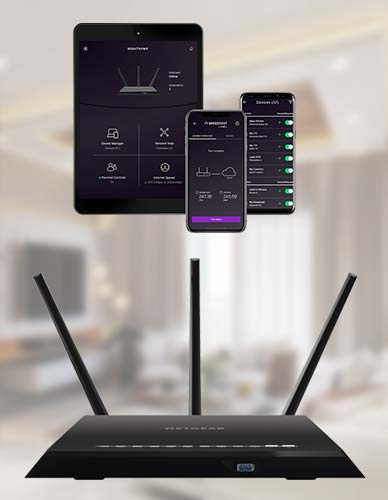
Get a step-by-step guide to Nighthawk app download from the Nighthawk App Download website.
Which provides you the setup instructions to log in to your router to connect to the Internet.
For more information visit our website.


In this quick guide, you’ll find a list of articles & resources we’ve created to guide you through your Kickstarter crowdfunding journey.
Click here to know more about us!