


Introduction
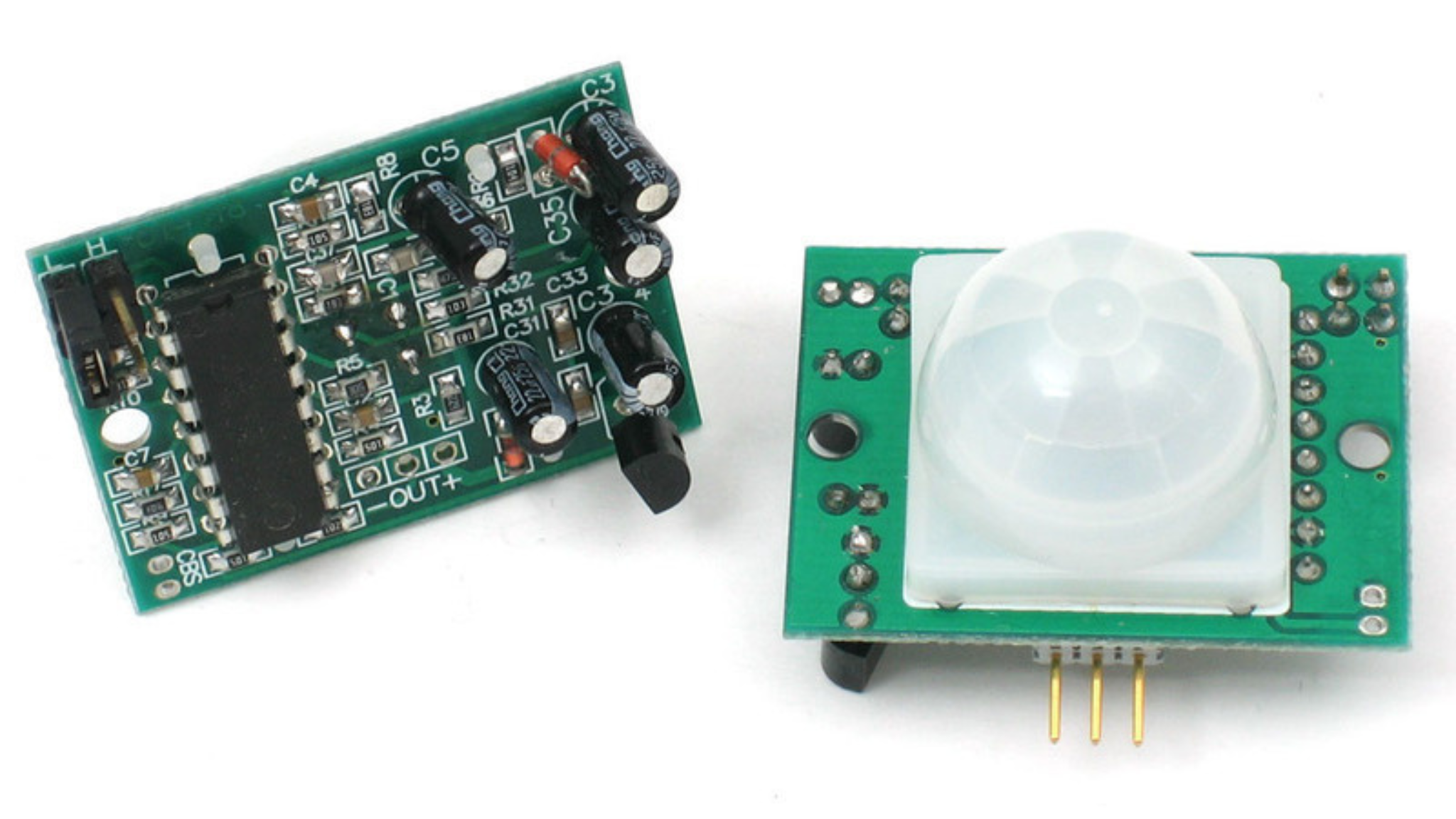
For many of us, the intersection of our lives and technology is ubiquitous, so much so that we sometimes overlook the subtle wonders at work behind our everyday conveniences. One such marvel that quietly powers many modern devices is the Passive Infrared Sensor (PIR sensor). This advanced piece of technology, despite its relative obscurity, plays an integral role in shaping the functionality of numerous devices, from home security systems to automatic faucets.
What are PIR Sensors?
At their most fundamental, Passive Infrared Sensors, also known as PIR sensors, are electronic sensors that measure infrared (IR) light radiating from objects in their field of view. They are termed "passive" because they don't emit any energy or radiation themselves; they simply detect it. This unique feature allows them to be utilized in a variety of applications, requiring minimal power and avoiding interference with other devices.
How do PIR Sensors Work?
PIR sensors work based on a simple principle: all objects with a temperature above absolute zero emit heat energy in the form of radiation. This radiation, invisible to the human eye, can be detected by PIR sensors.
These sensors typically have two slots or 'windows' made of a special material that is sensitive to IR. When the sensor is idle, both slots detect the same amount of IR, and the ambient, radiated heat balances out. However, when a warm body (like a human or animal) passes by, it first causes a positive differential change between the two halves. When the warm body leaves the sensing area, the reverse happens, thereby indicating a change.
Applications of PIR Sensors
PIR sensors have found extensive applications in various sectors, all thanks to their capability to detect motion and changes in the surroundings.
Home Security Systems
A primary application for PIR sensors is in home security systems. When installed, these sensors can detect the movement of an intruder and trigger an alarm. Some sophisticated systems may even alert the police or a security firm.
Energy Conservation
Another crucial application of PIR sensors is in energy conservation. They are often employed in systems that control the lights in a room. When the sensor detects the presence of a person in the room, it turns on the lights. Conversely, the lights are turned off when no motion is detected for a set period, helping conserve energy.
Health Care Monitoring
PIR sensors have also found utility in healthcare monitoring systems, especially in elder care. Sensors can be set up to detect the lack of movement over a certain period, triggering an alert system if a patient or elderly person is immobile for too long, potentially signaling a fall or other medical emergency.
The Future of PIR Sensors
With the rise in automation and IoT (Internet of Things), the demand for PIR sensors is set to grow. As more devices become 'smart' and start interacting with the environment, there will be an increased need for effective, low-power, non-invasive sensing technologies. Here, PIR sensors are positioned to be an essential player.
From being part of sophisticated security systems to enabling energy-saving applications and beyond, PIR sensors have made their mark and continue to evolve with technology advancements. As we move towards an increasingly connected world, the prospects for PIR sensors are more exciting than ever.
Conclusion
In conclusion, Passive Infrared Sensors, with their simple design, low power requirements, and non-intrusiveness, have quietly woven themselves into the fabric of our daily lives. They have opened new vistas for technological advancements and promise to continue being an integral part of our future innovations. As we look forward to a world teeming with smart devices, PIR sensors will undoubtedly play a crucial role in shaping that reality.
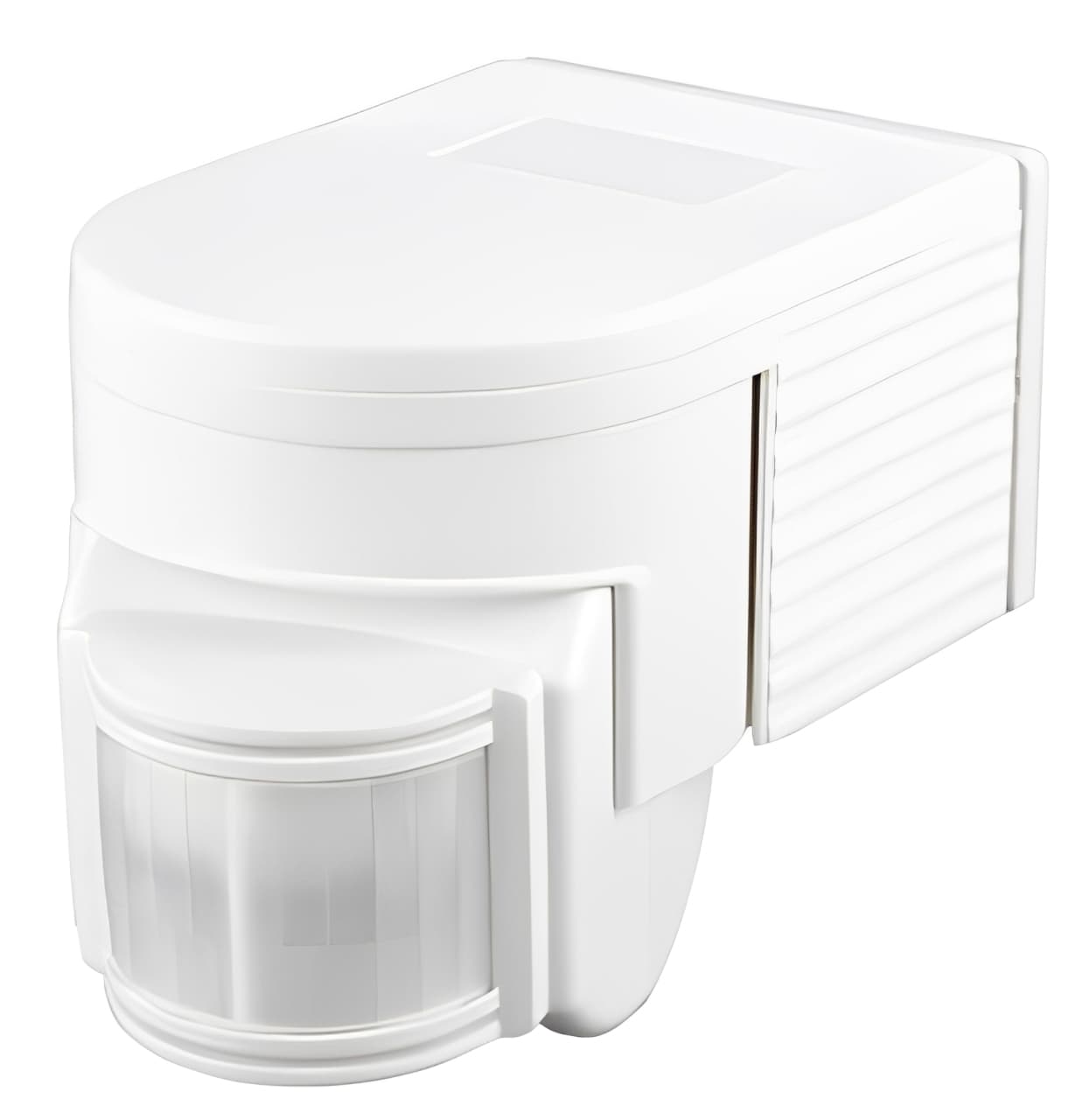

Superior Atex provides both interior and exterior lighting design services in Ireland.
If you need anything from a standard ceiling light or light switch to infrared bulbs and PIR sensors, you can drop us an email directly at paul.mc@superiorproducts.ie.https://www.superioratex.com/