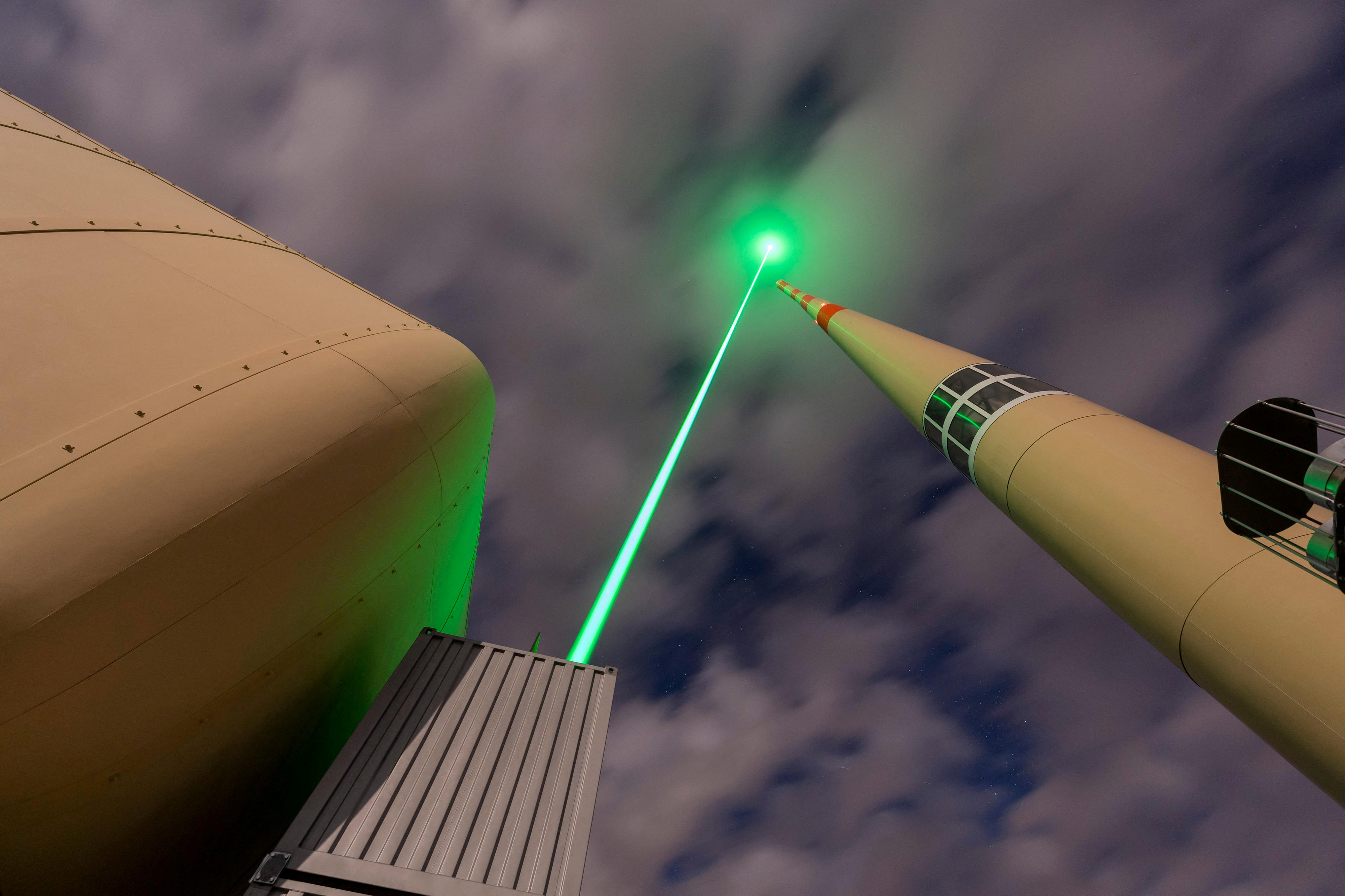
Laser technology has revolutionized various industries, from medicine and manufacturing to research and entertainment. However, with the benefits of lasers come potential risks, making laser safety a paramount concern. To safeguard personnel and facilities from laser hazards, organizations rely on trained experts known as Laser Safety Officers (LSOs). These professionals play a crucial role in establishing and maintaining a culture of safety. In this article, we will delve into the significance of LSO training in building a safer workforce for laser operations.
Understanding the Role of a Laser Safety Officer: Guardians of Laser Safety
A Laser Safety Officer is an individual responsible for overseeing the safe use of lasers within an organization. Their primary objective is to minimize risks associated with laser operation and ensure compliance with applicable regulations and guidelines. An LSO's role involves developing safety protocols, conducting risk assessments, implementing safety measures, and providing training to personnel working with lasers.
The Need for Specialized Laser Safety Officer Training
Laser technology is diverse, with various types and classes of lasers used for different purposes. Each type of laser poses unique safety challenges, making it crucial for LSOs to receive specialized training. An effective LSO training program equips professionals with the knowledge and skills needed to address specific laser safety concerns within their organization.
Core Components of LSO Training
1. Laser Safety Fundamentals: LSO training typically starts with a comprehensive understanding of laser principles, classifications, and potential hazards. Participants learn about laser interactions with biological tissues, eye safety, and the effects of laser radiation on different materials.
2. Regulatory Compliance: LSOs must be well-versed in relevant safety standards and regulations, such as those set forth by the American National Standards Institute (ANSI) and the Occupational Safety and Health Administration (OSHA). Training covers compliance requirements to ensure that laser facilities meet safety criteria.
3. Hazard Evaluation and Control: LSOs learn how to conduct thorough risk assessments to identify potential hazards associated with laser use. They also acquire skills in implementing control measures to mitigate risks effectively.
4. Personal Protective Equipment (PPE) and Safety Measures: LSO training emphasizes the importance of PPE and safety protocols. LSOs must be knowledgeable about the appropriate selection and usage of protective gear, as well as best practices for safe laser operation.
5. Emergency Preparedness: LSOs must be prepared to handle emergencies related to laser incidents. Training covers emergency response protocols, evacuation procedures, and first aid techniques for laser-related injuries.
6. Training for Laser Users: As educators, LSOs play a pivotal role in training laser users within their organizations. Effective LSO training includes guidance on how to conduct training sessions, develop educational materials, and ensure that laser users understand safety procedures thoroughly.
Building a Safer Workforce through LSO Training
1. Minimizing Accidents and Injuries: The foremost benefit of LSO training is a significant reduction in laser-related accidents and injuries. Well-trained LSOs can identify potential hazards, implement safety measures, and provide laser users with the knowledge to prevent incidents.
2. Compliance and Legal Protection: By ensuring adherence to safety regulations and standards, LSOs protect their organizations from potential legal liabilities and fines arising from safety violations.
3. Improved Workforce Confidence: LSO training instills confidence in laser users, allowing them to work with lasers more effectively and responsibly. Knowing that they have the support and guidance of a knowledgeable LSO fosters a positive safety culture.
4. Enhanced Research and Development: In research settings, LSOs support innovation by helping researchers navigate laser safety requirements. This enables scientists to focus on their work without compromising safety.
5. Better Facility Management: LSOs facilitate the safe management of laser facilities, ensuring that equipment is properly maintained, calibrated, and inspected. This extends the lifespan of laser systems and minimizes downtime due to accidents or regulatory non-compliance.
Conclusion
In conclusion, Laser Safety Officer training plays an integral role in building a safer workforce for laser operations. LSOs are the guardians of laser safety, responsible for creating a culture of safety, reducing accidents, and ensuring regulatory compliance. With their specialized knowledge and training, LSOs protect both personnel and facilities, enabling organizations to harness the full potential of laser technology without compromising safety. By investing in comprehensive LSO training, organizations can take a proactive approach towards laser safety and foster a workplace where laser technology thrives responsibly and securely.