What Job Does a Data Scientist Do?
Data Scientist Career Outlook
The field of data science has gained significant momentum in recent years, making it a highly sought-after career path. According to various industry reports, the demand for skilled data scientists is expected to continue growing exponentially. With the explosion of data in today's digital age, organizations across sectors recognize the value of data-driven decision-making, leading to an increased need for professionals who can extract valuable insights from vast amounts of information.
As data scientists play a crucial role in helping businesses make informed decisions, the career outlook for this profession remains highly promising. Numerous job openings are available in industries ranging from finance and healthcare to technology and e-commerce.
Moreover, the remuneration for data scientists is often competitive due to the scarcity of the required skill set. Many companies are willing to offer attractive salaries, benefits, and opportunities for professional growth to secure talented data scientists.
Tools used by Data Scientists
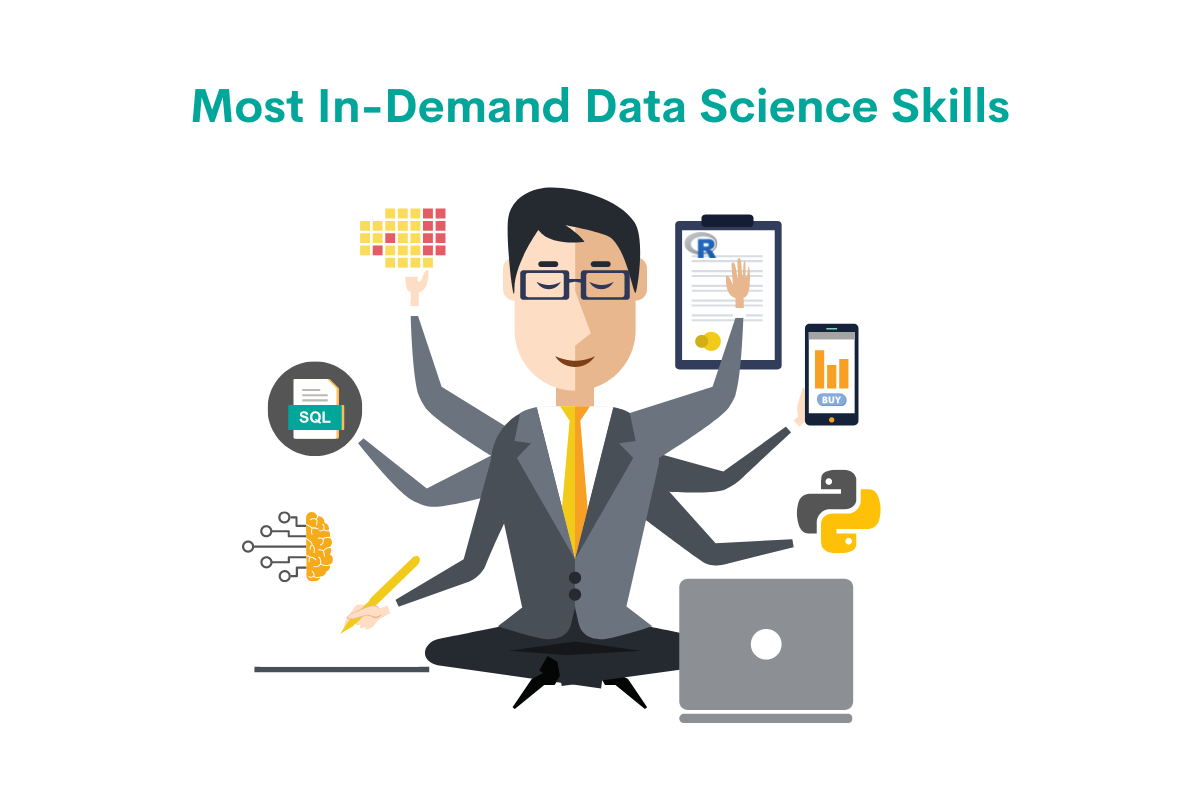
Data scientists employ various tools and technologies to perform their tasks efficiently and effectively. These tools assist in data preparation, analysis, modeling, and visualization. Here are some commonly used tools by data scientists:
1. Programming Languages: Data scientists extensively use programming languages such as Python, R, and SQL for data analysis and manipulation. Python, with its wide range of libraries and extensive community support, has become a popular choice within the data science field.
2. Data Analysis and Visualization Tools: Tools like Pandas, NumPy, and Tableau are employed to process and explore data, transforming raw information into meaningful insights. Visualization tools help data scientists communicate complex findings effectively.
3. Machine Learning Frameworks: Data scientists utilize frameworks such as TensorFlow, scikit-learn, and PyTorch to develop and implement machine learning models. These frameworks provide pre-built algorithms and functions for training and testing models.
4. Big Data Tools: With the increasing volume and complexity of data, data scientists often work with big data tools like Hadoop and Spark. These tools enable efficient processing and analysis of large datasets distributed across multiple systems.
Skills Required for Data Scientists
Becoming a successful data scientist requires a combination of technical expertise and domain knowledge. Here are some essential skills for aspiring data scientists:
1. Strong Analytical Skills: Data scientists must possess excellent analytical and problem-solving abilities to extract meaningful insights and identify patterns or trends hidden within complex datasets.
2. Statistical Knowledge: A solid foundation in statistics is essential for data scientists to understand and apply statistical techniques in data analysis and model development.
3. Programming Proficiency: Proficiency in programming languages like Python, R, or SQL is crucial for data scientists to manipulate, clean, and analyze data efficiently.
4. Machine Learning Expertise: In-depth knowledge of machine learning algorithms, techniques, and frameworks is necessary to build and deploy predictive models and algorithms.
5. Domain Knowledge: Familiarity with the specific industry or domain in which a data scientist operates is beneficial. Understanding the business context aids in uncovering actionable insights and generating value.
In conclusion, the field of data science offers a promising career path with a positive outlook for those interested in leveraging data to drive business decision-making. By utilizing a range of tools and technologies, data scientists can extract valuable insights from vast datasets and communicate them effectively. However, acquiring the necessary skills and knowledge is crucial to succeed in this profession.