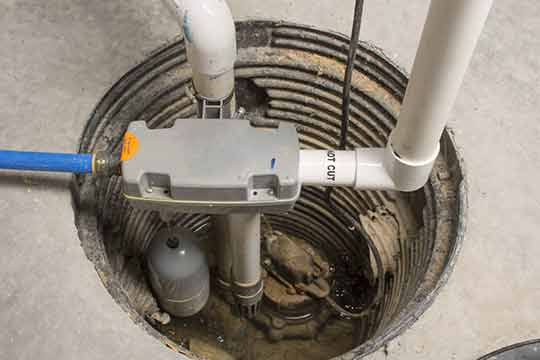


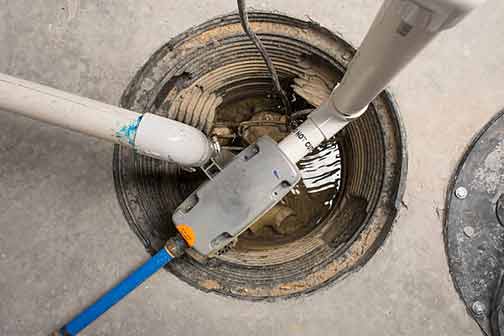
A sump pump is a vital component of a basement waterproofing system, responsible for removing excess water and preventing flooding. It is crucial to keep the sump pump clean and well-maintained to ensure its proper functioning and longevity. Regular cleaning and maintenance can prevent clogs, improve efficiency, and extend the lifespan of your sump pump.
Why Regular Cleaning is Important?
Regular cleaning of your sump pump is essential for various reasons:
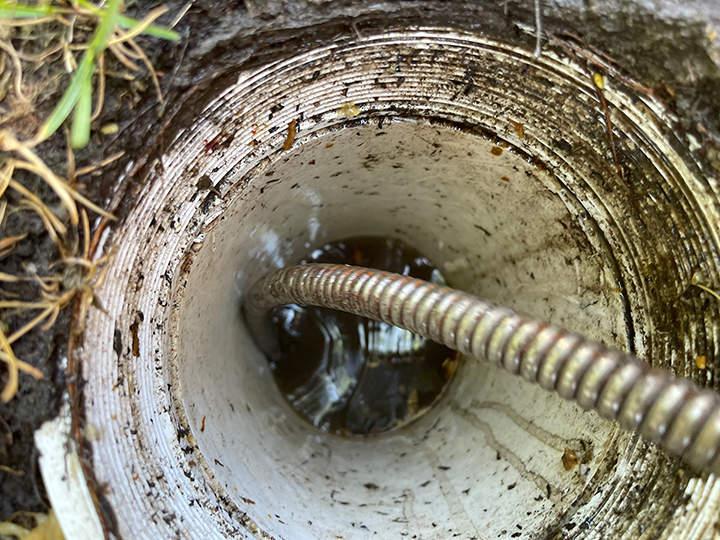
- Preventing clogs: Over time, dirt, debris, and sediment can accumulate in the sump pit, leading to clogs in the pump system. Regular cleaning helps remove these substances before they cause any obstruction.
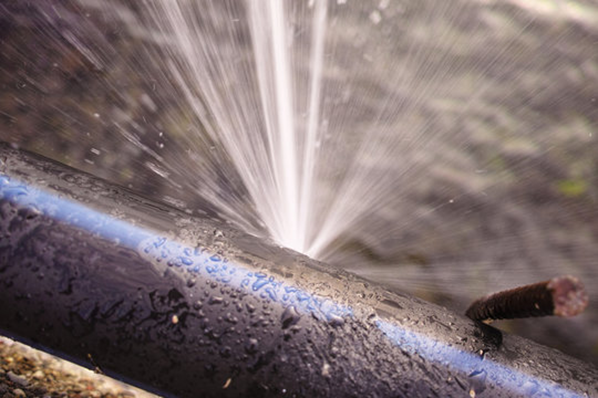
- Ensuring proper operation: Cleaning the pump allows you to inspect its components for any signs of damage or wear. Identifying and addressing issues promptly can prevent pump failure and potential basement flooding.
- Improving pump efficiency: A clean sump pump operates more efficiently, requiring less energy to pump water out of your basement. This can result in lower energy bills and a more reliable system.
- Prolonging the lifespan of the pump: Proper maintenance, including regular cleaning, can significantly extend the lifespan of your sump pump, saving you the hassle and cost of frequent replacements.
Factors Affecting Cleaning Frequency
The frequency at which you should clean your sump pump depends on various factors:
- Average water table level: If you live in an area with a high water table or experience heavy rainfall, your sump pump may need more frequent cleaning due to increased water flow.
- Amount of debris and sediment: If your home is surrounded by trees or vegetation, or if there is ongoing construction nearby, your sump pit may accumulate more debris and sediment, requiring more frequent cleaning.
- Age and condition of the pump: Older sump pumps or those showing signs of wear may require more frequent cleaning and maintenance to ensure their optimal performance.
Recommended Cleaning Schedule
While the cleaning frequency may vary depending on the factors mentioned above, a general guideline for sump pump cleaning is as follows:
Quarterly Inspections:
Perform a visual inspection of your sump pump every three months. Check for any visible signs of damage, such as cracks or leaks, and ensure the float switch moves freely. Cleaning during these inspections may not always be necessary, but it is still vital to ensure everything is in proper working order.
Semi-Annual Cleaning:
Twice a year, typically in the spring and fall, perform a thorough cleaning of your sump pump. Follow these steps:
- Unplug the sump pump or turn off its power source to avoid accidents.
- Remove the pump from the sump pit, disconnecting any hoses or pipes.
- Clean the sump pit by removing any debris, sediment, or dirt using gloves and a small shovel or scoop.
- Inspect the pump for any signs of damage or wear, such as frayed wires or corroded parts. Replace any faulty components.
- Clean the pump itself, including the impeller and float switch, using a brush and mild detergent or vinegar solution to remove any buildup.
- Reassemble the pump, ensuring all connections are secure and tight.
- Plug in or reconnect the power source and test the pump by pouring water into the sump pit until it activates.
Additional Tips for Sump Pump Maintenance
In addition to regular cleaning, there are a few maintenance tips to keep your sump pump functioning optimally:
- Test the pump regularly: Pour water into the sump pit to ensure the pump turns on and removes the water effectively.
- Ensure the discharge pipe is clear: Regularly check the discharge pipe to ensure it is free from any obstructions or ice buildup.
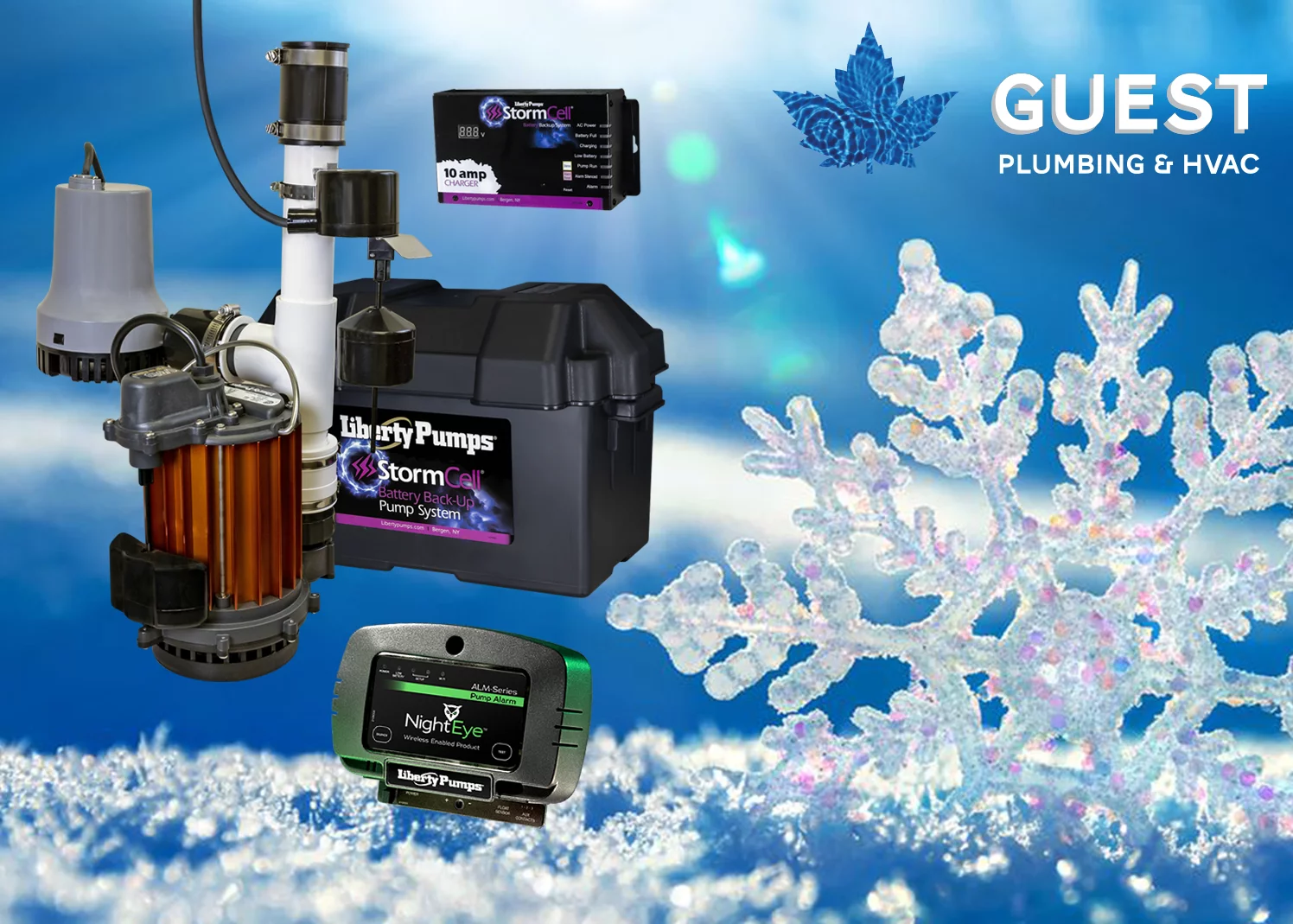
- Install a backup power source: Consider installing a battery-powered backup or a generator to ensure your sump pump continues to operate during power outages.
- Consider a professional inspection: If you are unsure about performing maintenance tasks yourself, it is advisable to hire a professional to inspect and clean your sump pump annually.
Conclusion
Regular cleaning and maintenance of your sump pump are essential to prevent any potential issues and ensure its efficiency and longevity. While the cleaning frequency may vary depending on various factors, quarterly inspections and semi-annual cleanings are generally recommended. By following these guidelines and implementing additional maintenance tips, you can keep your sump pump in optimal condition, and your basement dry and protected.