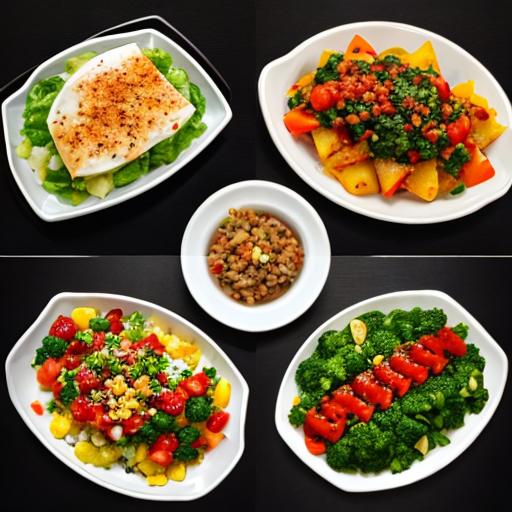



The Art of Food Photography: Capturing Culinary Delights
Food, a universal necessity and delight, transcends barriers and speaks to all of our senses, especially the visual. With the rise of social media platforms like Instagram, Pinterest, and numerous food blogs, food photography has carved a niche for itself in the world of photography. It not only chronicles the essence of dishes but also narrates stories, showcases cultures, and stimulates appetites. Here, we delve into the aesthetics, techniques, and importance of food photography.
Aesthetics in Food Photography
Food, inherently, is vibrant, rich, and full of texture. Each cuisine, dish, and ingredient presents a unique visual palette. Here are some common aesthetic themes:
Simplicity: A focus on the dish with minimal distractions allows for the food to shine. This is often used in high-end restaurants’ menu photos.
Rustic & Homely: Emphasizing earthy tones, old wooden tables, and tarnished silverware creates a homely, warm ambiance, ideal for comfort foods.
Vibrancy: Playing with colors, either contrasting or complementary, can make the dish pop.
Techniques to Master
Natural Light: Food generally looks best under natural light. A soft, diffused daylight brings out the inherent colors and textures. Avoid direct sunlight as it can create harsh shadows.
The Rule of Thirds: Place key elements of the dish along the intersections of the imaginary grid that divides the frame into nine equal parts. This balances the composition.
Depth of Field: A shallow depth of field (using a wide aperture) helps in focusing on a specific part of the dish while blurring out the background, adding a professional touch.
Props: These play an essential role. From cutlery to textiles and raw ingredients, props can set the mood, tell a story, or accentuate the dish.
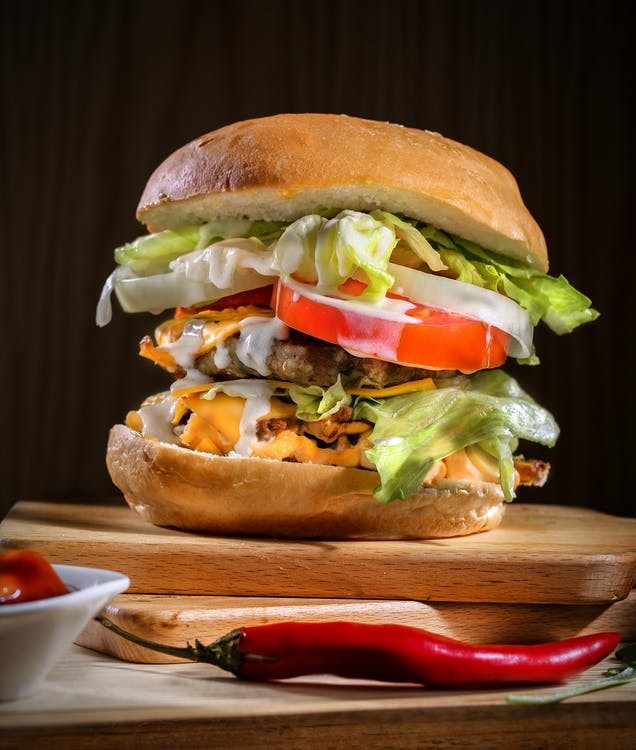
Angles Matter: Overhead shots work for flat layouts like pizzas, while a 45-degree angle might be ideal for burgers to showcase the layers.
Importance of Food Photography
Business Boost: For restaurateurs, compelling food photographs can attract customers. People eat with their eyes first, and an appealing image can tip the balance in favor of a dining decision.
Cultural Chronicles: Through food photography, one can document and celebrate the myriad culinary traditions worldwide. It serves as a historical record of food trends, traditional dishes, and the evolution of cuisines.
Inspiration & Education: For home cooks and chefs alike, food photography serves as a source of inspiration. It also educates viewers about presentation, plating techniques, and the visual appeal of dishes.
Community Building: Food photographers, bloggers, and enthusiasts form communities where they share tips, recipes, and stories. This fosters creativity and promotes the appreciation of global cuisines.
In Conclusion
Food photography is much more than just capturing what’s on a plate. It’s about conveying flavors, aromas, and emotions through a visual medium. While the taste is ephemeral, a well-captured photograph remains, reminding us of the experience, the culture, and the passion behind every dish. In today’s digital age, as we increasingly "eat with our eyes," the significance and impact of food photography continue to grow.


Food is near and dear to ones’ heart, and when you cannot resist clicking food photographs, it is the time when you realize your interest in food photography.
When you are a beginner in food photography, you may wish to have some tips and hacks to start with or improve your food photography.
You are in the right place.