

Introduction
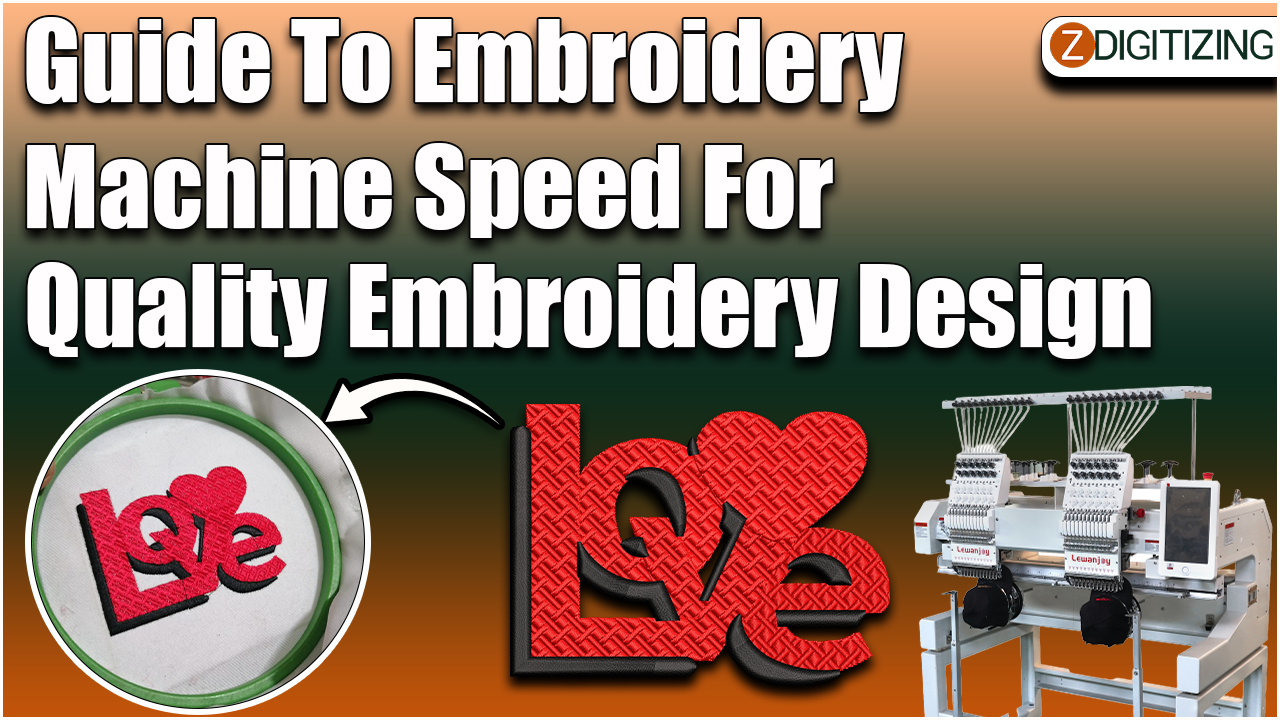
Embroidery machines have revolutionized the art of embroidery by automating the process and allowing for faster production times. However, when it comes to embroidery machine speed, finding the perfect balance between quality and efficiency can be a challenge. In this guide, we will explore how to determine the optimal embroidery machine speed for producing high-quality embroidery designs.
Understanding Embroidery Machine Speed
Embroidery machine speed refers to the number of stitches per minute that the machine is capable of producing. While faster speeds may seem appealing for increased productivity, it is important to remember that speed alone does not guarantee high-quality results. Factors such as thread tension, needle type, and fabric choice also play a significant role in achieving optimal embroidery design.
Factors Impacting Embroidery Machine Speed
1. Machine Capability: Different embroidery digitizing machines have varying speed capacities. Higher-end machines are often equipped with advanced technologies that allow for faster stitching while maintaining quality. However, it is crucial to note that even entry-level machines can produce excellent results when operated at the right speed.
2. Design Complexity: The complexity of the embroidery design being stitched determines the ideal speed. Simple designs with fewer stitches can be completed at a faster speed, while intricate designs may require slower speeds to maintain precision and detail.
3. Fabric Type: The type of fabric being embroidered also affects the ideal machine speed. More delicate or stretchy fabrics may require slower speeds to avoid puckering or distortion, while sturdier fabrics can handle higher speeds without compromising quality.
4. Thread Tension: Proper thread tension is critical in achieving high-quality embroidery. If the tension is set too tight or too loose, it can negatively impact the design's appearance. Adjusting the machine speed can help achieve the desired tension and prevent issues such as thread breakage or loose stitches.
Determining the Ideal Speed
1. Experimentation: The best way to determine the ideal machine speed for a specific design and fabric combination is through experimentation. Start with a moderate speed and stitch out a sample design, gradually adjusting the speed depending on the results. Evaluate the stitch quality, tension, and overall appearance to find the optimal setting.
2. Start Slow: When working with intricate designs or delicate fabrics, it's advisable to start at a slower speed and gradually increase it until the desired results are achieved. This approach minimizes the risk of damaging the fabric or compromising the design's quality.
3. Monitor Stitch Quality: Throughout the embroidery and vector art services process, closely monitor the stitch quality. Inspect for any skipped stitches, irregular thread tension, or other anomalies that may indicate the need for adjusting the speed. Making minor speed adjustments can help maintain consistent quality in the final embroidery design.
Tips for Quality Embroidery at Higher Speeds
1. Proper Maintenance: Regularly clean and maintain your embroidery machine to ensure optimal performance at higher speeds. This includes oiling moving parts, changing needles regularly, and replacing worn-out or damaged components.
2. Use Suitable Stabilizers: Selecting the appropriate stabilizer for your fabric is crucial when embroidering at higher speeds. Stabilizers provide support and prevent fabric distortion during stitching, promoting clean and accurate embroidery.
3. Test Runs: Before embroidering large quantities, always conduct test runs to confirm that the chosen speed and settings produce the desired results. This minimizes any potential issues and ensures batch consistency.
4. Consider Multifunction Machines: If you anticipate high-volume production, investing in a multifunction embroidery machine with a higher speed capacity can support both speed and quality. These machines often incorporate advanced features such as automatic tension adjustment or multiple needle options.
Conclusion
Embroidery machine speed is a critical factor in producing quality embroidery designs. By considering factors such as machine capability, design complexity, fabric type, and thread tension, embroiderers can determine the ideal speed for each project in zdigitizing. Through experimentation, close monitoring, and adhering to proper maintenance practices, achieving both efficiency and quality in embroidery design becomes achievable. By finding the perfect balance, you can unlock the full potential of your embroidery machine to create stunning and professional embroidered creations.