

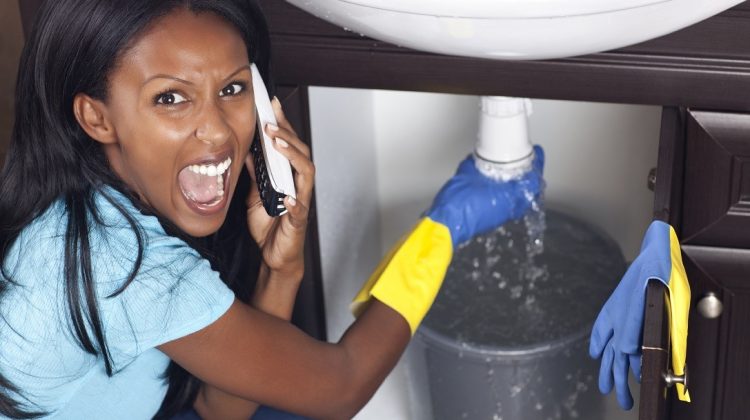
Drain cleaning is an essential part of maintaining a healthy plumbing system in your home or business. Over time, pipes can become clogged with debris, grease, hair, and other substances, leading to slow drains, foul odors, and even potential plumbing emergencies. While there are various methods available to clean drains, not all of them are effective or plumber-approved. In this article, we will discuss the best methods to clean drains, recommended by professional plumbers.
1. Hot Water Flushing
One of the simplest and most effective ways to clean drains is by flushing them with hot water. Boiling water can help dissolve and flush away soap residue, grease buildup, and minor clogs. Simply bring a kettle of water to a boil and carefully pour it down the drain in increments, allowing it to work its way through the pipes.
2. Use a Plunger
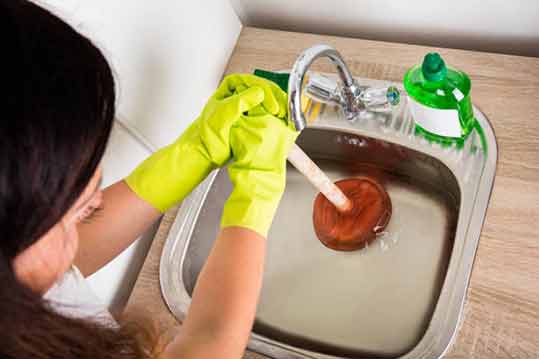
A plunger is a common tool used to unclog drains. It creates pressure and suction, dislodging blockages and allowing water to flow freely again. To use a plunger, ensure there is enough water in the sink or bathtub to cover the rubber head. Place the plunger securely over the drain opening and vigorously plunge up and down for a few minutes. Repeat the process if necessary.
3. Baking Soda and Vinegar
This natural and environmentally friendly method can be highly effective for removing minor clogs. Start by pouring a pot of boiling water down the drain. Then, sprinkle half a cup of baking soda into the drain, followed by half a cup of vinegar. The mixture will create a chemical reaction that helps break down debris and eliminate odors. Allow it to sit for around 30 minutes, and then flush the drain with hot water.
4. Use a Plumbing Snake
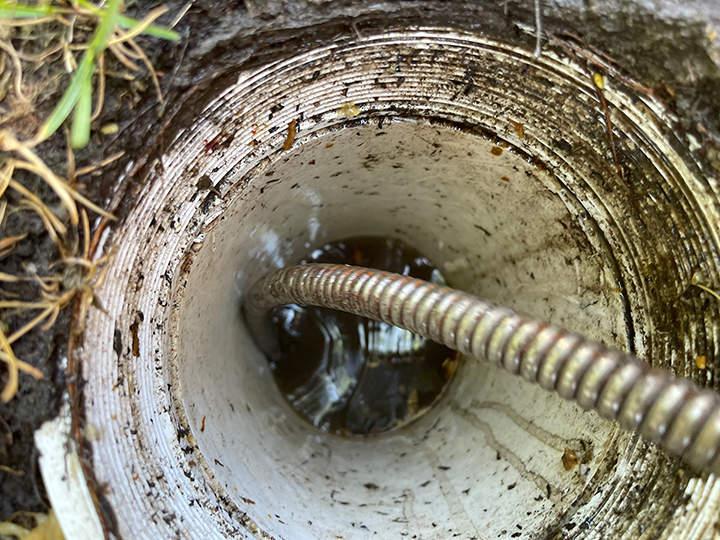
A plumbing snake, also known as a drain auger, is a flexible wire coil with a corkscrew-like tip. It is designed to break up and dislodge stubborn clogs. Feed the snake into the drain until you encounter resistance, then rotate the handle to break apart the blockage. Slowly retract the snake, pulling out any debris that has been dislodged. Afterward, flush the drain with hot water to remove any remaining particles.
5. Enzyme Drain Cleaners
Enzyme drain cleaners are a safe and eco-friendly alternative to chemical-based cleaners. They contain natural enzymes that digest organic matter, effectively breaking down clogs and preventing future blockages. Follow the instructions on the product packaging for the best results, as different cleaners may require varying amounts of time to work.
6. Seek Professional Help
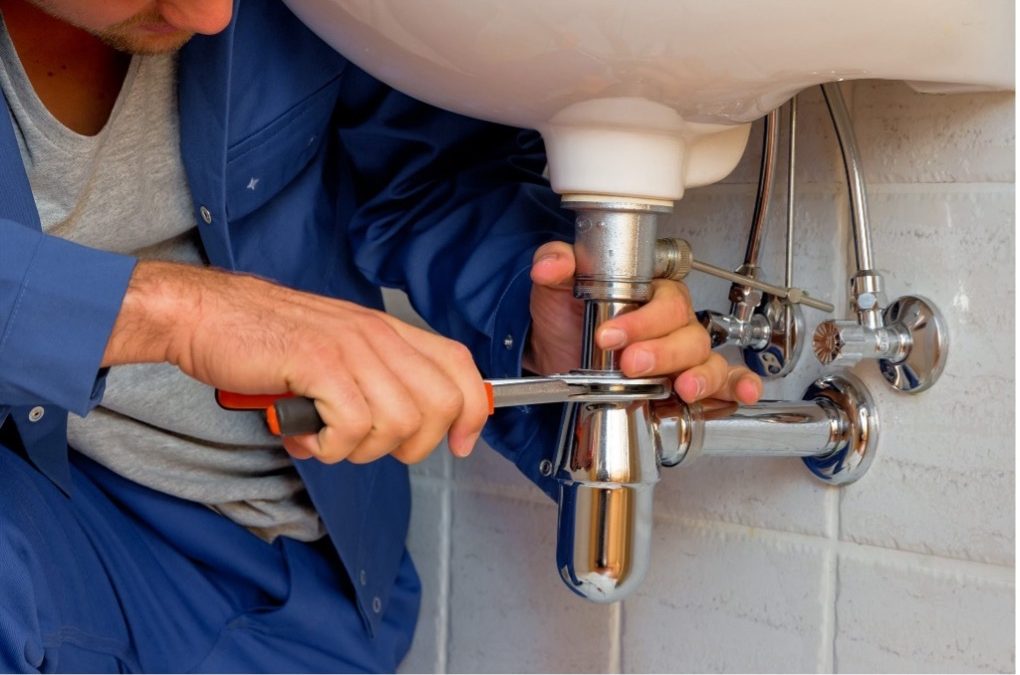
For severe or persistent clogs, it is best to seek the assistance of professional plumbers. They have the expertise, tools, and experience to handle even the most challenging drain cleaning tasks. Professional plumbers can use methods such as hydro jetting, which involves using high-pressure water to blast away stubborn obstructions.
Conclusion
Maintaining clean and clog-free drains is crucial for the proper functioning of your plumbing system. By following the plumber-approved methods discussed in this article, you can effectively clean your drains and reduce the risk of costly plumbing repairs. Remember, prevention is always better than cure, so regular maintenance and being mindful of what goes down your drains can go a long way in preserving the health of your plumbing system.

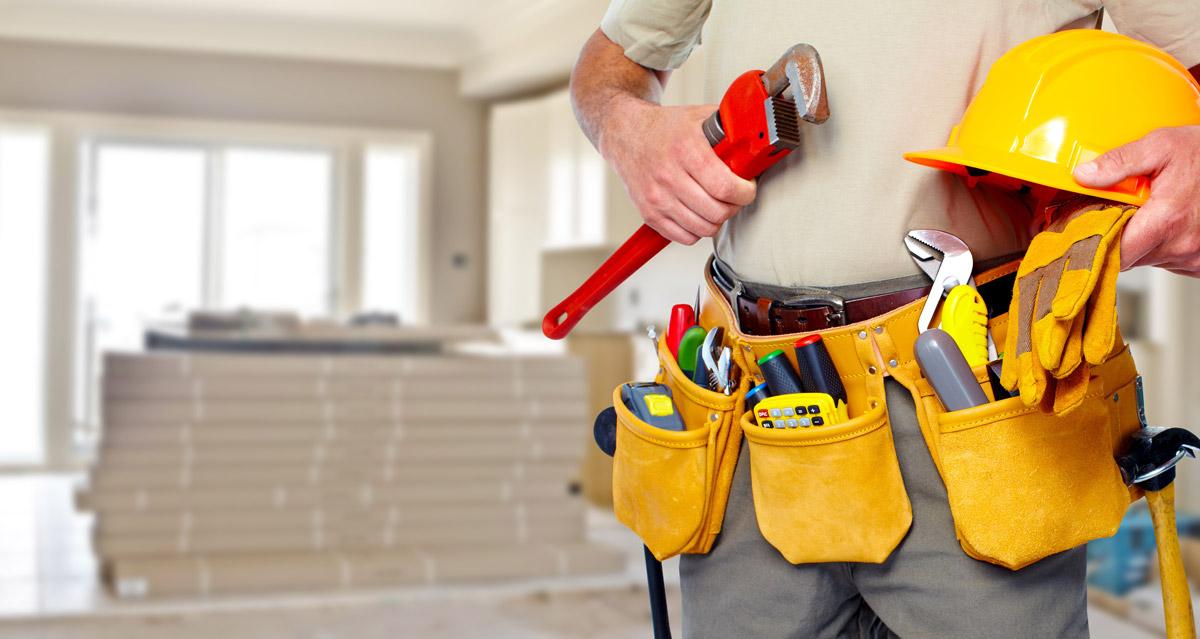
The plumbing services offered by professional plumbers are regarded to be the best.
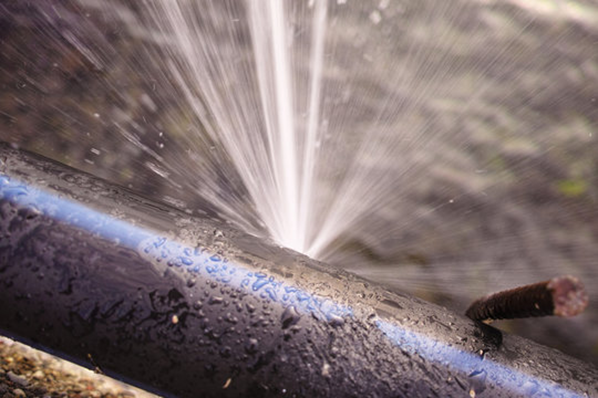
This is because these professional plumbers can repair leak detection, drain cleaning, and install new drain cleaning systems.