In the ever-evolving world of technology, the need for faster, more reliable wired connections is paramount. As we continue to push the boundaries of data transfer rates and demand more from our devices, it's vital that the supporting infrastructure keeps pace. Enter the Cat 7 cable the latest generation of Ethernet cable that promises to transform wired connectivity. In this article, we'll explore the features, benefits, and applications of this advanced cabling solution.
Understanding the Basics: What is Cat 7?
Category 7, often abbreviated as Cat 7, represents a significant upgrade in Ethernet cabling. While its predecessors (Cat 5, Cat 5e, Cat 6, and Cat 6a) have been the backbone of many networks for years, Cat 7 brings a slew of enhancements to the table. Designed to support frequencies of up to 600 MHz, it can deliver data at speeds of up to 10 Gbps over a distance of 100 meters. This is double the data rate of Cat 6a, the previous heavy hitter in Ethernet technology.
Unparalleled Shielding: Reducing Interference
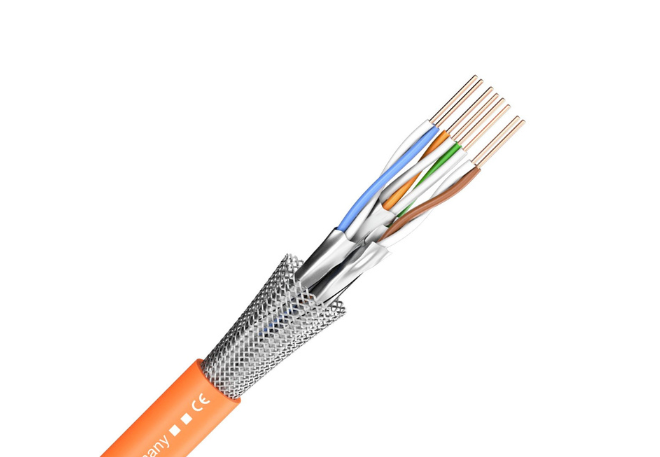
One of the defining features of Cat 7 cable is its shielding. Each individual twisted pair (the small bundles of wires inside the cable) is shielded, as well as the overall bundle itself. This provides a dramatic reduction in signal interference and noise. The result? A more stable, clearer connection, especially important in environments where multiple cables are run side by side.
Connecting the Future: The Rise of GG45
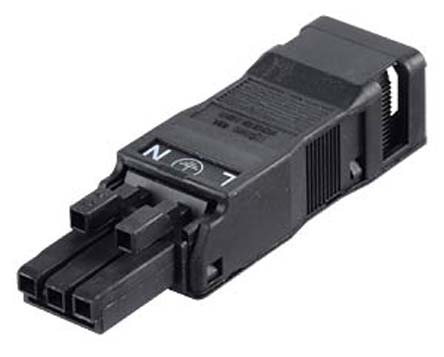
With advancements in cable technology, there also comes a need for changes in connectors. The Cat 7 cable primarily utilizes the GG45 (GigaGate45) connector, which can be seen as an evolution of the traditional RJ45 connector used by its predecessors. This new connector ensures backward compatibility while providing the bandwidth necessary for Cat 7's enhanced performance.
The Long-Term Investment: Why Upgrade Now?
Many might question the necessity of upgrading to Cat 7, especially if their current network seems sufficient. Here are compelling reasons to consider the switch:
- Future-Proofing: With the ever-increasing demand for faster internet speeds, especially in business environments, having a cabling infrastructure that can handle future advancements is crucial.
- Reduced Latency: The superior shielding and higher data rates can significantly decrease latency, making real-time applications like VoIP calls and online gaming smoother.
- Durability and Longevity: Cat 7 cables, due to their robust construction, can outlast many of their predecessors, making them a cost-effective choice in the long run.
Applications and Use Cases
Where does Cat 7 really shine? Its potential applications are vast:
- Data Centers: In environments where large amounts of data are transmitted constantly, the enhanced speeds and reduced interference of Cat 7 can be invaluable.
- High-Performance Computing: For sectors like scientific research or financial modeling, where processing vast datasets is the norm, Cat 7 ensures data moves rapidly and reliably.
- Home Networks: With the proliferation of smart devices and streaming services, many households can benefit from the upgrade, especially those looking to establish a robust home theater or gaming setup.
Looking Forward: Beyond Cat 7
While Cat 7 represents the cutting edge in Ethernet technology today, it's worth noting that the world of connectivity is always on the move. Future iterations, like Cat 8, are already in development and promise even higher speeds and further advancements. But for now, Cat 7 stands as an excellent balance of performance, durability, and cost, making it an ideal choice for both businesses and individuals looking to elevate their wired connection.
Conclusion
In the age of wireless technology, it's easy to overlook the importance of wired connections. However, the introduction of Cat 7 cable reminds us that the world of wired connectivity is far from stagnant. Whether you're a business owner looking to overhaul your network infrastructure or a homeowner hoping to get the most out of your entertainment system, Cat 7 offers a promising step into the future of high-speed, reliable connections.