

Empowering Pakistani Industries: A Comprehensive Guide to Solar Power Systems
In the quest for sustainable and affordable energy solutions, solar power has emerged as a beacon of hope for industries across the globe. In a country like Pakistan, where energy shortages have been a persistent challenge, solar power systems offer a promising solution to alleviate the energy crisis and empower industries to thrive. This comprehensive guide sheds light on solar power systems' benefits, components, implementation, and potential impact on Pakistani industries.
The Solar Revolution and Its Significance
Solar power is a renewable energy source harnessed from the sun's abundant rays. Its significance lies in its potential to address two critical challenges Pakistani industries face: energy scarcity and environmental degradation. Traditional energy sources, such as fossil fuels, contribute to air pollution and come with fluctuating prices. Solar power systems, on the other hand, offer a clean and consistent energy source, reducing industries' dependence on non-renewable resources.
Benefits of Solar Power Systems for Industries
Cost Savings
One of the most compelling reasons for industries to adopt solar power systems is the significant reduction in operational costs. Once the initial investment is recovered, solar energy becomes virtually free, leading to substantial savings on electricity bills.
Energy Independence
Industries often suffer due to frequent power outages in Pakistan. Solar power systems provide a reliable energy source, reducing reliance on the grid and ensuring uninterrupted production processes.
Environmental Impact
With industries significantly contributing to pollution, adopting solar power can help them reduce their carbon footprint. Solar energy is clean and doesn't emit harmful gases, making it a crucial step towards sustainable industrial practices.
Government Incentives
The Pakistani government has been actively promoting renewable energy sources. Industries can benefit from various incentives, including tax breaks, subsidies, and net metering policies that allow excess energy to be sold back to the grid.
Components of a Solar Power System
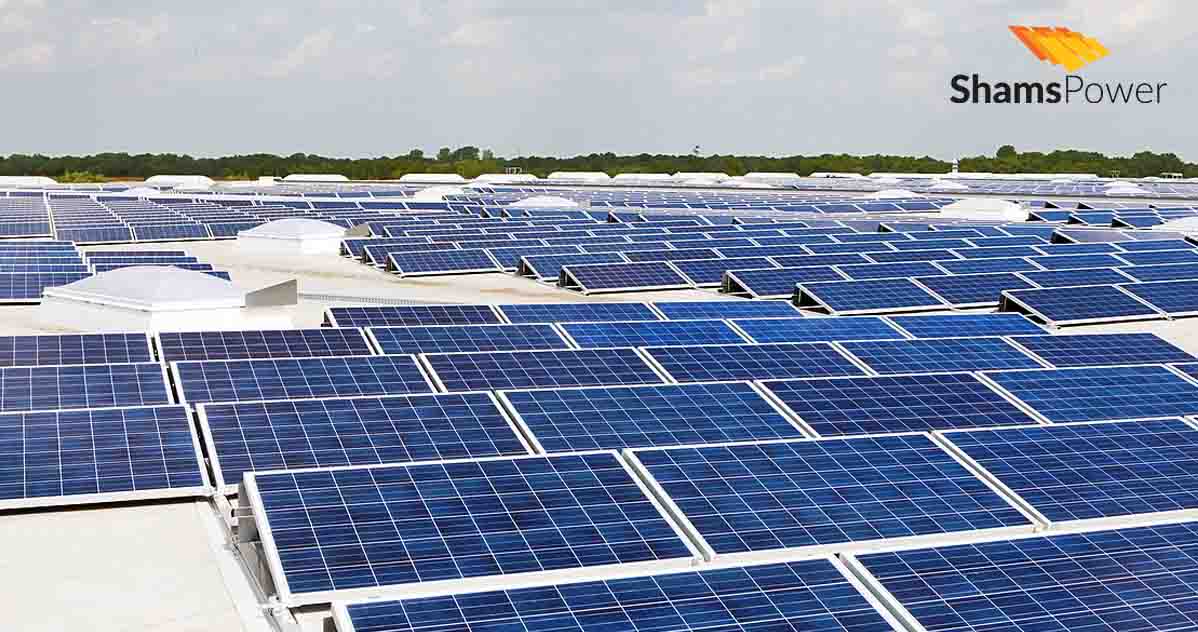
Solar Panels
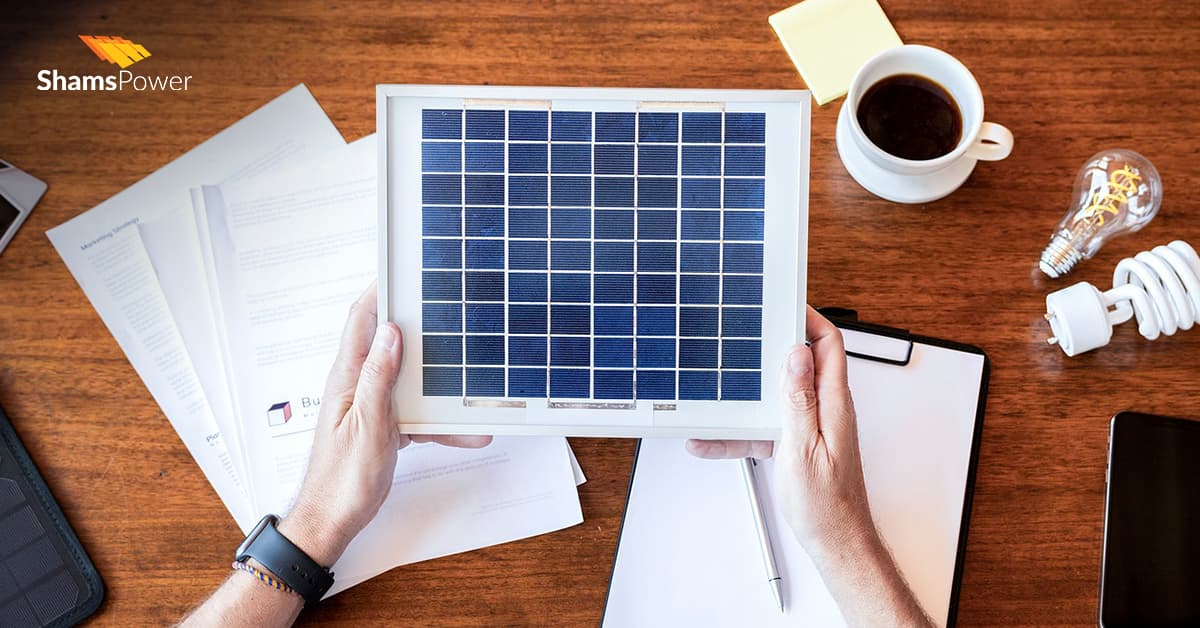
These are the heart of any solar power system. Photovoltaic cells within the panels convert sunlight into direct current (DC) electricity.
Inverter
The DC electricity generated by solar panels needs to be converted into alternating current (AC) to be usable by industrial equipment. Inverters perform this crucial conversion.
Batteries
Batteries are essential for industries that store excess energy during non-sunlight hours or power outages. They keep the converted energy for later use.
Mounting Structures
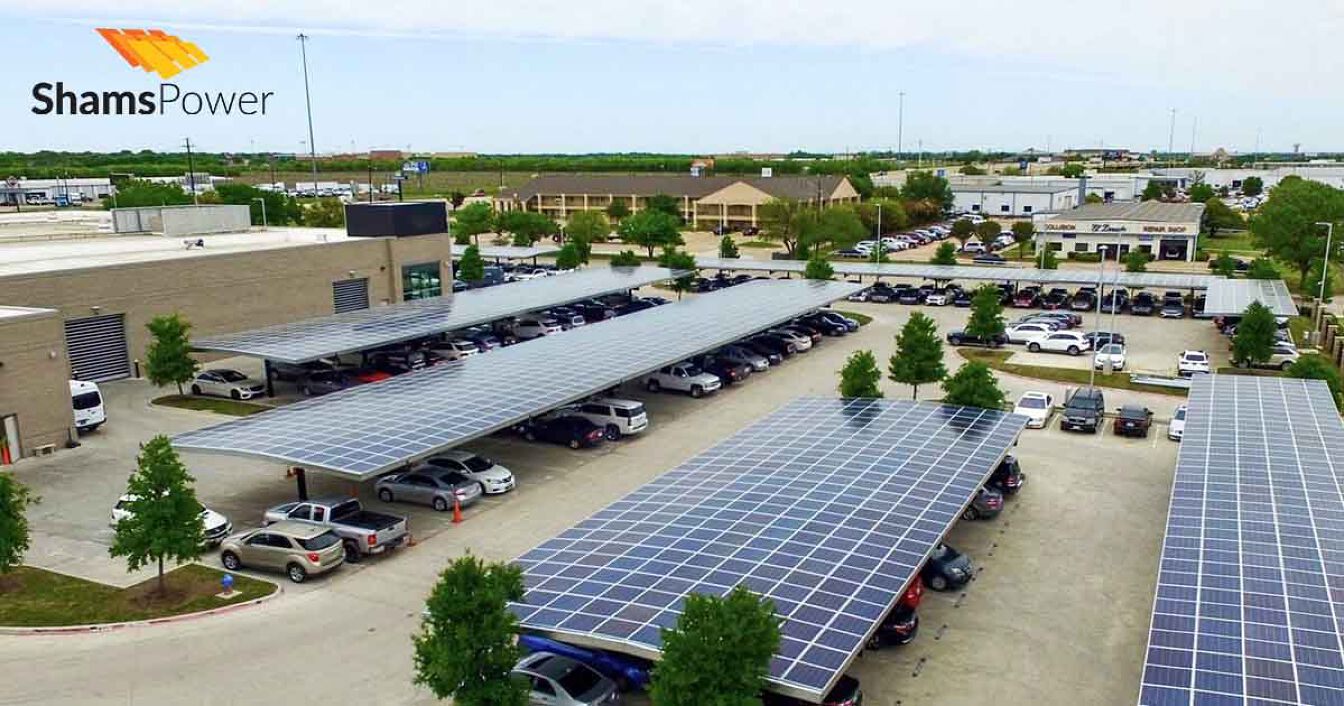
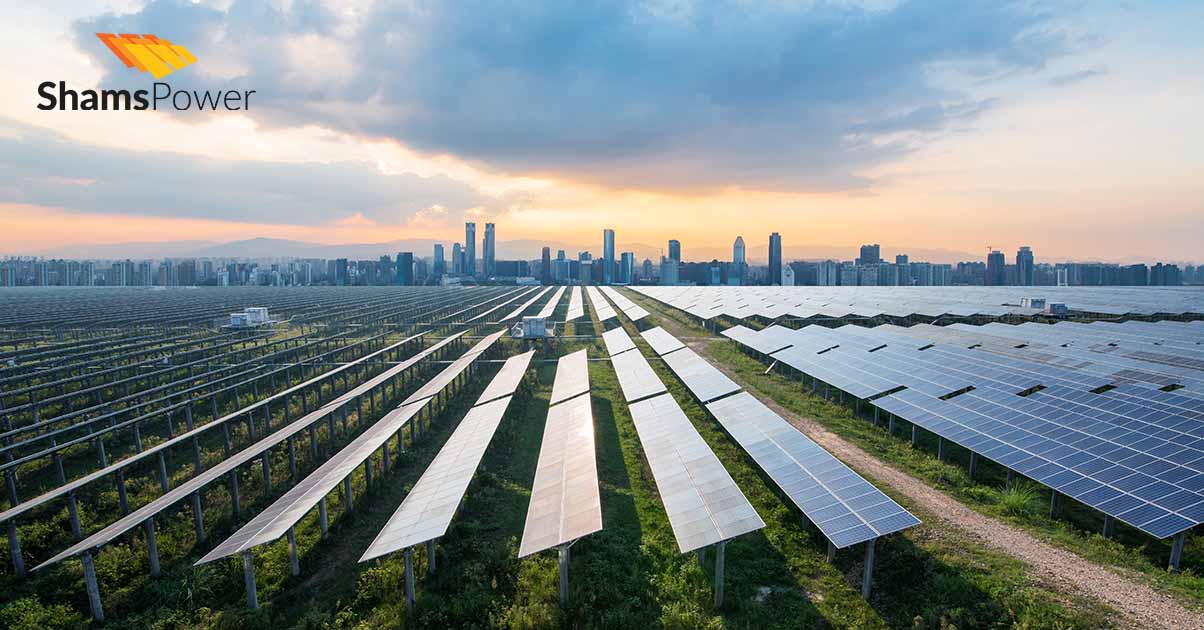
Solar panels must be properly installed and mounted to maximize their exposure to sunlight. Mounting structures ensure panels are securely positioned and angled correctly.
Monitoring System
A monitoring system allows industries to track the performance of their solar power system, ensuring optimal efficiency and identifying any issues promptly.

Implementing Solar Power Systems
Energy Audit
Industries must first assess their energy needs and consumption patterns. Conducting an energy audit helps determine the appropriate size and capacity of the solar power system required.
Site Assessment
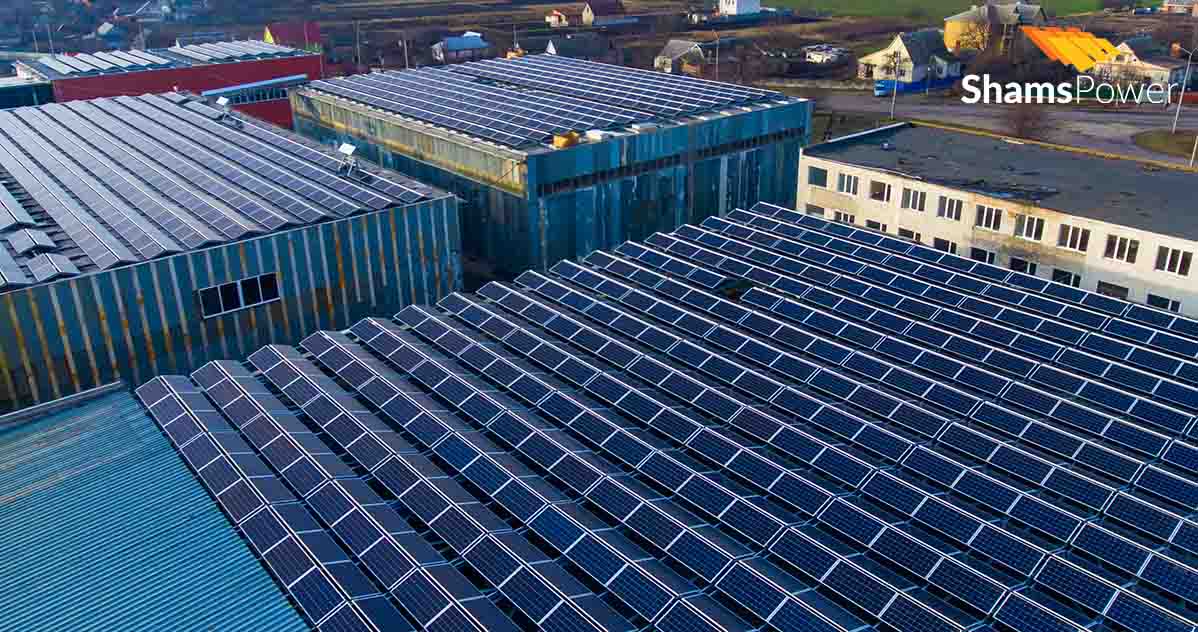
The location of solar panels plays a crucial role in their efficiency. Proper site assessment considers sunlight exposure, shading, and available space.
System Design
A solar power system is designed based on the energy audit and site assessment. This includes the number and arrangement of solar panels, inverter capacity, and battery storage if required.
Installation
Professional installation ensures that the system functions optimally and adheres to safety standards. Proper wiring, grounding, and connection to the grid are crucial steps in the installation process.
Maintenance
Regular maintenance, including cleaning panels and checking for any system malfunctions, is essential to ensure the longevity and efficiency of the solar power system.
The Impact on Pakistani Industries
The adoption of solar power systems has the potential to revolutionize Pakistani industries in multiple ways:
Enhanced Competitiveness
Reduced operational costs translate into enhanced competitiveness for industries. They can allocate resources to innovation and expansion with stable and low-cost energy.
Job Creation
Establishing, maintaining, and servicing solar power systems create new employment opportunities, contributing to economic growth and development.
Sustainable Growth
By reducing their carbon footprint, industries can position themselves as responsible corporate citizens, appealing to environmentally conscious consumers and investors.
Reliable Energy Source
Solar power provides a dependable energy source that empowers industries to function efficiently, even during grid failures or energy shortages.

Technology Transfer
Implementing solar power systems requires engineering, manufacturing, and installation expertise. This can facilitate technology transfer and capacity building within the country.
Resilience and Disaster Preparedness
Solar power systems provide a decentralized energy source, particularly valuable in disaster-prone regions. Industries equipped with solar power can continue operations during natural disasters or emergencies when the grid may be down.
Rural Electrification
Many industries in Pakistan are located in rural areas with limited grid access. Solar power systems can extend electricity to these regions, facilitating industrial growth and improving rural communities' overall quality of life.
Conclusion
Solar power systems offer a transformative solution to the energy challenges faced by Pakistani industries. By harnessing abundant sunlight, enterprises can reduce operating costs and contribute to a cleaner and greener environment.