





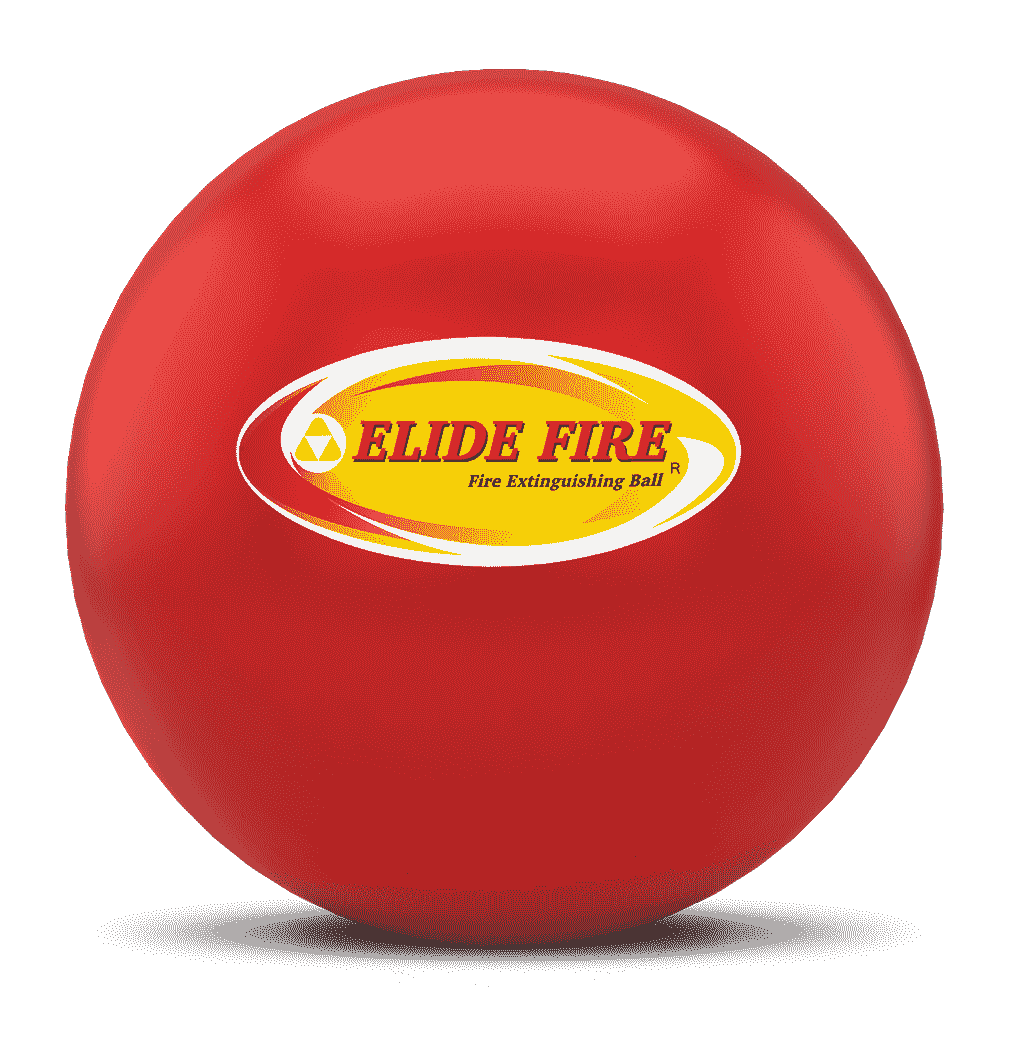
Safety first: Understanding the importance of fire extinguishers and their effectiveness
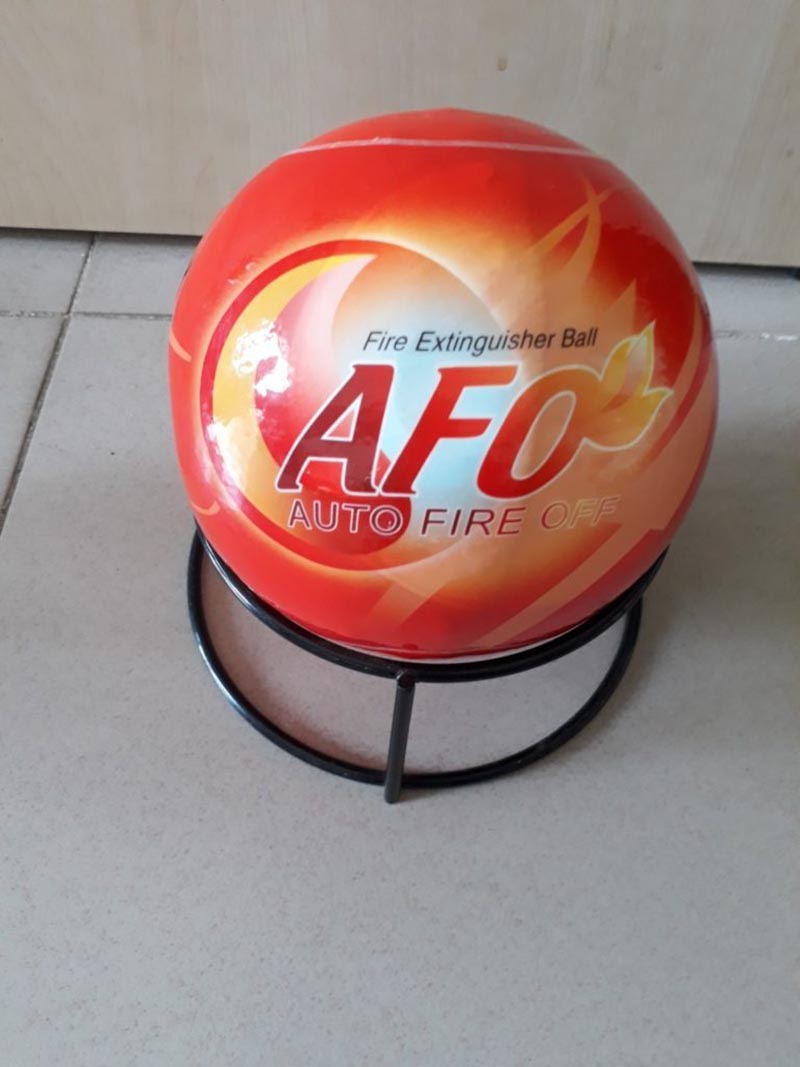
Welcome to our blog, where safety comes first! Today, we want to talk about a crucial aspect of fire safety - fire extinguishers(Bóng chữa cháy). These lifesaving devices play a significant role in mitigating the risk of fire incidents and protecting lives and property. In this article, we will delve into the importance of fire extinguishers, how they work, and how they can effectively combat different types of fires. So, let's dive right in!
Why are fire extinguishers important?
When it comes to fire safety, fire extinguishers are an essential tool that every home, office, and public establishment should have. Here's why:
- Quick response during emergencies: Fire extinguishers provide a rapid response to small fires, allowing individuals to take immediate action before the fire spreads or emergency services arrive. This quick response can significantly minimize the damage caused by fire.
- Protection of lives: Fire extinguishers offer an effective means of protecting lives, as they can prevent fire from engulfing an area where people are present. By suppressing the flames, fire extinguishers help create an evacuation route and increase the chances of everyone reaching safety.
- Property protection: Fire can cause extensive damage to property, leading to financial loss and emotional distress. By having fire extinguishers readily available, you can minimize the damage caused by flames, smoke, and heat, potentially saving valuables and reducing repair costs.
- Compliance with safety regulations: Many countries and local authorities have regulations that require specific fire safety measures, including the presence of fire extinguishers. By having fire extinguishers in compliance with the regulations, you not only ensure the safety of occupants but also avoid legal consequences.
Types of fire extinguishers
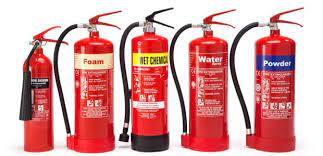
Fire extinguishers come in various types, and understanding their classifications and suitable uses is essential for effective fire outbreak management. Here are the most common types:
1. Water Extinguishers (Class A)
Class A fire extinguishers are used for fires involving ordinary combustible materials such as wood, cardboard, paper, and fabrics. These extinguishers contain water, which cools down the flames and extinguishes the fire by removing the heat element.
2. Foam Extinguishers (Class A and B)
Foam extinguishers are suitable for Class A and B fires. They form a thick foam blanket that covers the fire, preventing the release of flammable vapors and suppressing the flames. Foam extinguishers are effective for fires involving flammable liquids such as gasoline, oil, and solvents.
3. CO2 Extinguishers (Class B and C)
CO2 extinguishers are primarily used for fires involving flammable liquids and electrical fires. Carbon dioxide is discharged as a gas, displacing oxygen and extinguishing the fire by suffocation. CO2 extinguishers leave no residue and are safe to use on electrical equipment.
4. Dry Powder Extinguishers (Class A, B, C, D, and E)
Dry powder extinguishers are versatile and effective for tackling Class A, B, C, D, and E fires. They work by smothering the fire and interrupting the chemical reaction. Dry powder extinguishers are suitable for a wide range of fires, including those involving flammable gases and metals.
5. Wet Chemical Extinguishers (Class F)
Wet chemical extinguishers are specifically designed for fires involving cooking oils and fats commonly found in kitchens. The extinguishing agent reacts with the hot oil, creating a soapy solution that cools the fire and prevents reignition.
How to effectively use a fire extinguisher
Having a fire extinguisher is only effective if you know how to use it correctly during an emergency. Here are the key steps to remember:
1. Assess the situation
Before attempting to use a fire extinguisher, carefully evaluate the fire and its surroundings. Ensure that the fire is small, contained, and won't block your escape route. If the fire is spreading rapidly or you are in doubt, evacuate the area immediately and call emergency services.
2. Remember the PASS technique
The PASS technique stands for the following:
- Pull the pin: Pull the pin located on the extinguisher's top. This action will break the tamper seal.
- Aim at the base: Aim the nozzle or hose at the base of the fire where the fuel source is located. This helps smother the fire effectively.
- Squeeze the handle: Squeeze the handle or lever to release the extinguishing agent. Maintain a firm grip while doing so.
- Ssweep from side to side: Sweep the extinguisher from side to side, covering the entire fire area. Continue until the fire is completely extinguished, and be prepared for the possibility of re-ignition.
Remember to aim low, as the extinguishing agent needs to reach the base of the fire, not the flames themselves.
3. Know the limitations
While fire extinguishers are effective against small fires, it is crucial to recognize their limitations. Always prioritize personal safety and evacuate if the fire spreads rapidly, smoke obscures your vision, or you are unsure if you can control the fire. In such cases, call emergency services immediately.
4. Understand maintenance and inspection
Regular maintenance and inspection of fire extinguishers are essential to ensure their reliability in an emergency. Keep the following pointers in mind:
- Check the pressure gauge periodically to ensure it is within the recommended range.
- Inspect the extinguisher for any physical damage, such as dents or leaks.
- Ensure the operating instructions and labels are legible and easy to understand.
- Maintain the extinguisher within its designated service cycle, which typically ranges from 5 to 12 years.
- Recharge the extinguisher immediately after use or as per manufacturer guidelines.
Conclusion
Fire safety is a crucial aspect of protecting lives and property. Fire extinguishers, with their effectiveness in suppressing fires, play a vital role in fire incident management. Whether it's a small fire in the office or a household fire, having a properly maintained fire extinguisher and understanding how to use it can make a significant difference. Remember, your safety and the safety of others should always be the top priority. Stay safe, and make sure you have the necessary fire safety equipment close at hand!
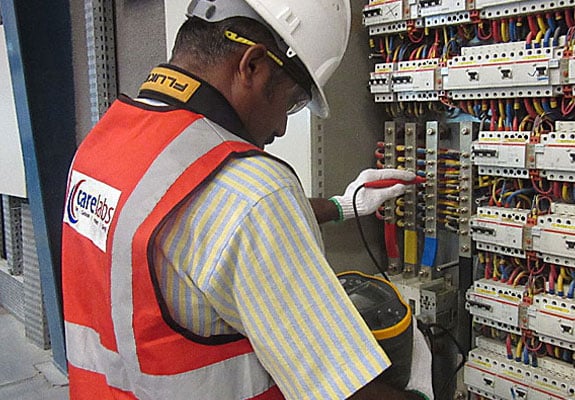
The global Fire Extinguishers Market research report, published by Value Market Research, is designed to offer various market framework such as market size, portion, trends, growth path, value and factors that impact the current market dynamics over the forecast period 2020-2027.
Most importantly, this report also provides the latest significant strategies adopted by major players along with their market share.The research report also covers the comprehensive profiles of the key players in the market and an in-depth view of the competitive landscape worldwide.
Ltd., Yamato Protec Corporation, FlameStop Australia Pty.
This section consists of a holistic view of the competitive landscape that includes various strategic developments such as key mergers & acquisitions, future capacities, partnerships, financial overviews, collaborations, new product developments, new product launches, and other developments.Get more information on "Global Fire Extinguishers Market Research Report" by requesting FREE Sample Copy at https://www.valuemarketresearch.com/contact/fire-extinguishers-market/download-sampleMarket DynamicsDemand for fire extinguishers is expected to grow in the coming years due to factors such as stringent safety norms by the government in developed and developing countries, growing installation in residential and commercial buildings, and a significant rise in the number of a fire incident.
Rising urbanization and industrialization will lead to an increased volume of calls for fire extinguishers.
Escalating awareness regarding fire safety and growing encouragement to install fire extinguishers, especially in houses, restaurants, hotels, schools, hospitals, offices, and factories, also propels demand.
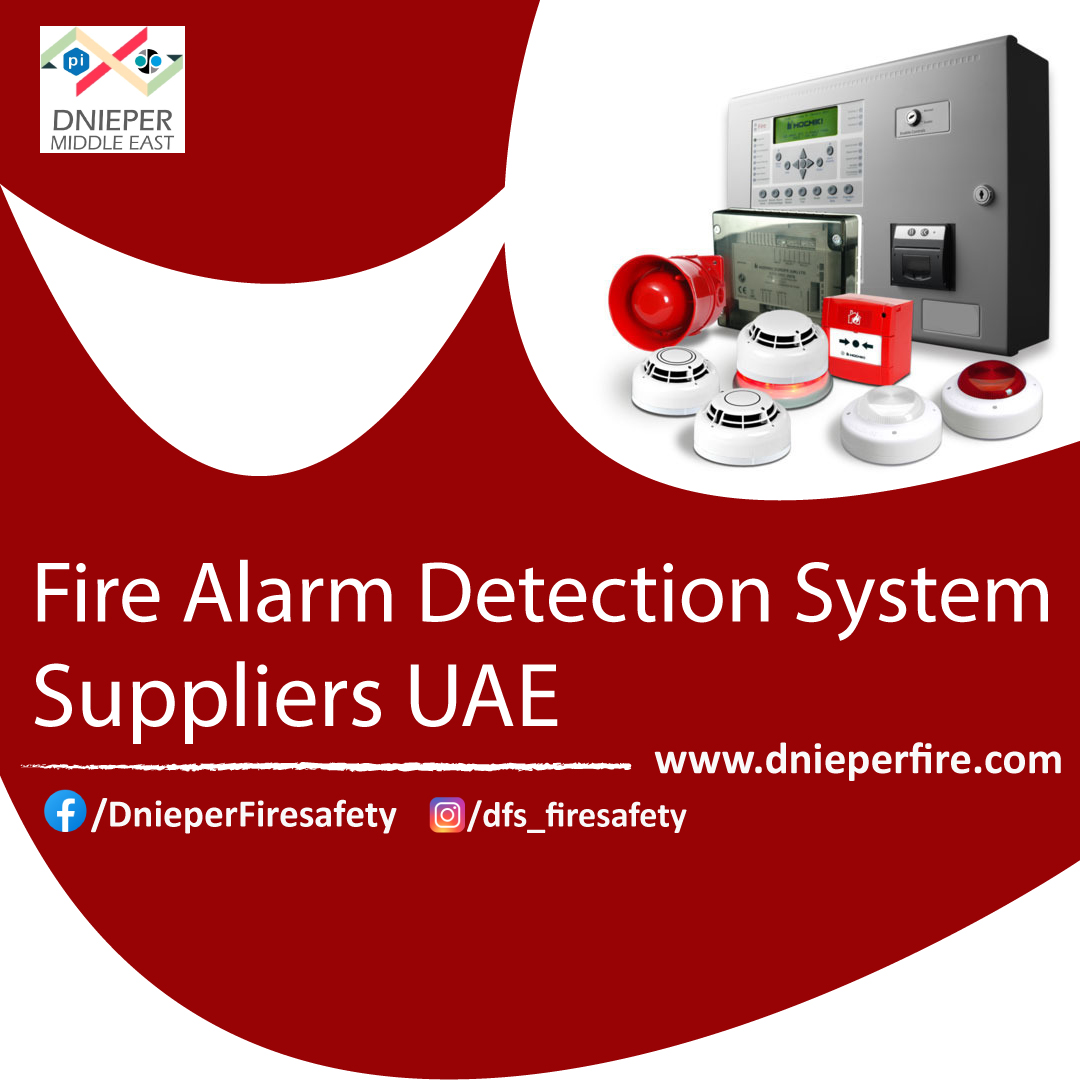
Fires can never be predicted in advance.
It can trigger at any time.
In most cases, awareness is the best solution.
If it's your workplace, then you may have to take precautions.
Installing the right safety device and system prove helpful.https://www.dnieperfire.com/post/the-importance-of-observing-fire-safety-at-your-commercial-office