The Future of Electric Vehicles: Trends and Predictions
In recent years, there has been a significant shift towards electric vehicles (EVs) as an environmentally-friendly and sustainable mode of transportation. As the world looks for ways to reduce carbon emissions and combat climate change, the adoption of electric vehicles has gained momentum. This article will explore the trends and predictions for the future of electric vehicles, highlighting the key factors driving the growth of the EV market and discussing the challenges that lie ahead.
EV Market Growth
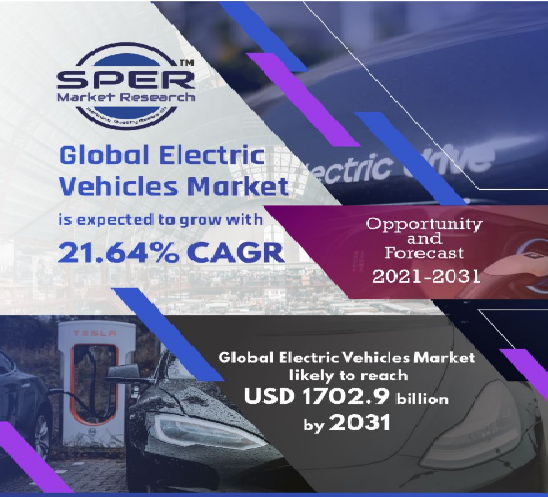
The electric vehicle market has experienced remarkable growth in recent years, with widespread adoption occurring in various regions across the globe. One of the key factors driving this growth is the implementation of stricter emission regulations by governments. Several countries have set ambitious targets to reduce carbon emissions from the transportation sector, which has prompted automakers to invest heavily in electric vehicle technology.
Additionally, the declining cost of battery technology has contributed to the increased affordability of electric vehicles. The cost of lithium-ion batteries, which are crucial components in electric vehicles, has been steadily decreasing over the years. This reduction in cost has made electric vehicles more accessible to a wider range of consumers.
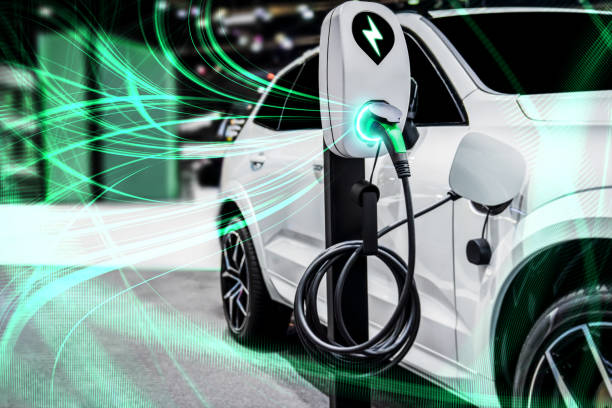
Another significant driver of the EV market growth is the increasing availability of charging infrastructure. As more electric vehicle charging stations are installed in public spaces, workplaces, and residential areas, range anxiety - the fear of running out of battery - is being alleviated. This has boosted consumer confidence in electric vehicles and has increased the willingness to make the switch from conventional gasoline-powered cars.
Electric Vehicle Adoption
The adoption of electric vehicles is not only driven by external factors such as emission regulations and charging infrastructure but also by consumer preferences. Many individuals are drawn to electric vehicles due to their environmental benefits. EVs produce zero tailpipe emissions, helping to improve air quality and reduce greenhouse gas emissions that contribute to climate change.
Furthermore, electric vehicles offer a smooth and quiet driving experience, often equipped with advanced technological features. The instant torque provided by electric motors delivers excellent acceleration, making electric vehicles a viable option for performance enthusiasts. As technology continues to advance, electric vehicles are expected to match, or even surpass, the performance of their gasoline-powered counterparts.
In recent years, the range of electric vehicles has also improved significantly. Early electric cars had limited range, making long-distance travel challenging. However, advancements in battery technology have extended the range of electric vehicles, with some models now offering over 300 miles on a single charge. This improvement in range has eliminated one of the major barriers to electric vehicle adoption and has made them a more practical choice for everyday use.