

Understanding the Purpose of Repiping in Homes
Repiping is a vital aspect of home maintenance and renovation that is often overlooked. As the plumbing system ages, it becomes prone to various issues such as leaks, reduced water pressure, and corrosion. In such cases, repiping becomes essential to ensure the overall functionality and safety of a home's water supply. This article aims to delve into the purpose of repiping in homes, exploring the reasons behind this process and the benefits it brings to homeowners.
Ensuring Water Quality and Safety
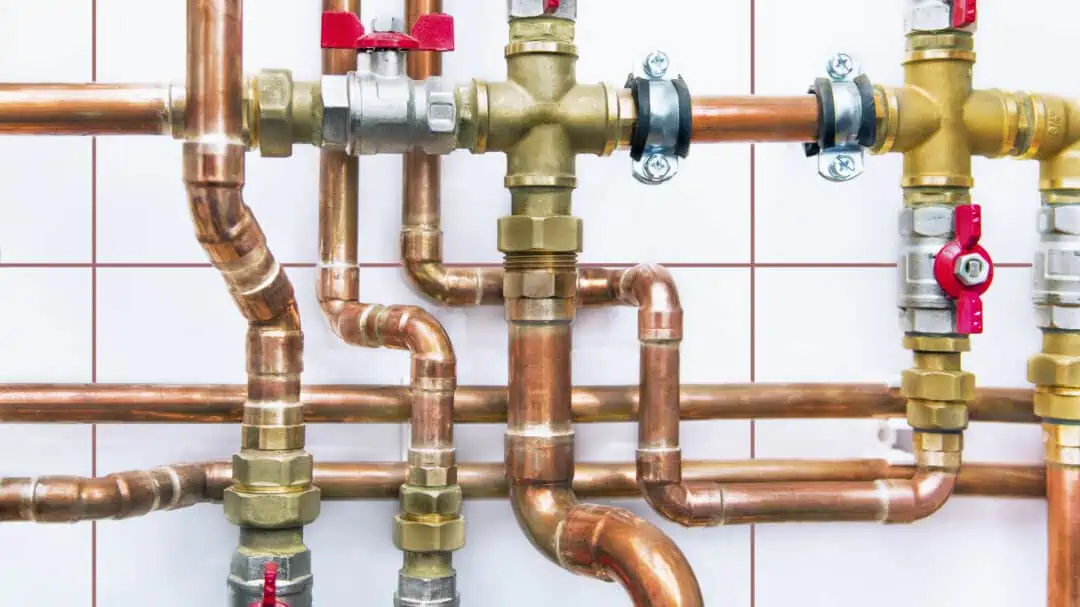
One of the primary purposes of repiping in homes is to guarantee the quality and safety of the water supply. Over time, pipes made from outdated materials, such as galvanized steel or polybutylene, can deteriorate and contaminate the water with rust, sediment, or harmful chemicals. Repiping replaces these aging pipes with more modern materials like copper or PEX, ensuring clean and safe water for everyday use.
Furthermore, older pipes are more prone to leaks, which can lead to water damage and mold growth. Repiping mitigates the risk of leaks, safeguarding the structural integrity of the house and preventing potential health hazards caused by mold or mildew.
Improving Water Pressure and Flow
Another significant purpose of repiping is to enhance water pressure and flow throughout the household. As pipes corrode or accumulate mineral deposits like limescale, they can restrict the water's passage, resulting in reduced water pressure at the faucets and showers. This decline in water pressure not only affects daily activities but can also impact the efficiency of appliances like dishwashers and washing machines, leading to longer wash cycles and wasted water.
By repiping the home, homeowners can enjoy improved water pressure and flow, ensuring an efficient and seamless use of water throughout the house. The installation of modern pipes eliminates any obstructions, allowing water to flow freely and providing a consistent level of pressure to all fixtures.
Preventing Costly Water Damage
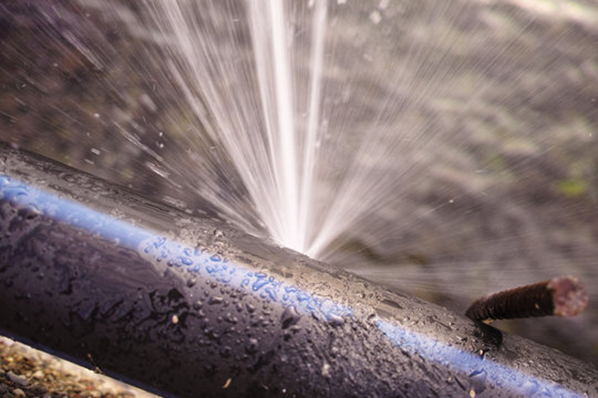
Older plumbing systems are prone to leaks, especially along joints, fittings, and weakened areas of the pipes. These leaks can be slow and unnoticeable at first, gradually causing extensive damage to the structure of a home over time. Water damage can compromise the stability of walls, ceilings, and flooring, leading to costly repairs and renovations.
Repiping the house helps prevent such destructive leaks by replacing the aging pipes with new ones that have greater durability and resistance to corrosion. By taking proactive measures through repiping, homeowners can avoid the financial burden and stress associated with severe water damage restoration.
Long-Term Cost Savings
Despite the initial investment required for repiping, it is important to consider the long-term cost savings associated with this home improvement. Older pipes not only increase the risk of leaks and water damage but can also lead to higher water bills. Leaky pipes result in water wastage, and over time, the cumulative impact on utility expenses can be significant.
By repiping the home with modern materials, homeowners can prevent water waste and effectively reduce their monthly water bills. Additionally, the durability and longevity of new pipes minimize the need for frequent repairs, further contributing to cost savings in the long run.
Increasing Property Value
Repiping a home can also have a positive impact on its market value. Potential buyers are often wary of properties with outdated plumbing systems that may require immediate attention and repairs. By repiping the house beforehand, homeowners can present a well-maintained property that is attractive to potential buyers, increasing its overall value in the real estate market.
Furthermore, having a more reliable and efficient plumbing system can be a significant selling point. Buyers are likely to value properties with improved water pressure, reduced risk of leaks, and better water quality, making repiping a worthwhile investment for homeowners looking to maximize their property's value.
Conclusion
In summary, the purpose of repiping in homes is multifaceted, encompassing the need for clean and safe water supply, improved water pressure and flow, prevention of costly water damage, long-term cost savings, and an increase in property value. Repiping ensures that the plumbing system functions optimally, providing homeowners with peace of mind, convenience, and a valuable asset. Considering the various benefits it brings, repiping should be regarded as an essential aspect of home maintenance and renovation.