Introduction
Clean and safe drinking water is a fundamental necessity for human health and well-being. With various water treatment methods available, choosing the right one can be a daunting task. In this comprehensive comparison, we'll explore the pros and cons of Reverse Osmosis (RO) plants and other popular water treatment methods, helping you make an informed decision for your specific needs.
Understanding RO Plants
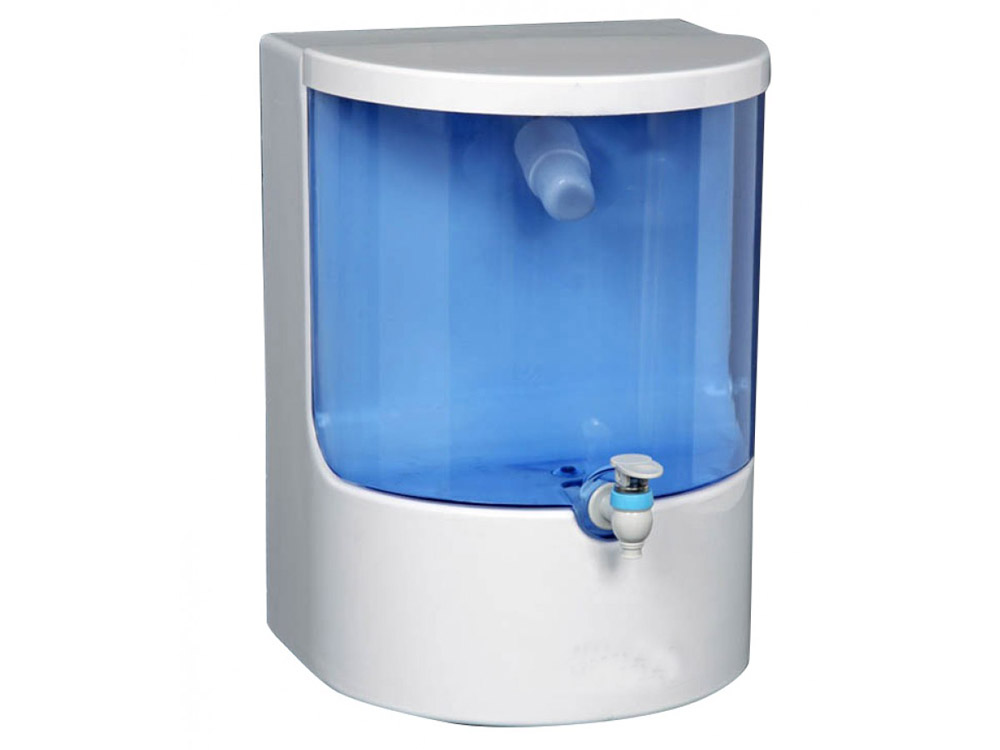
Reverse Osmosis (RO) is a widely used water purification technology that relies on a semipermeable membrane to remove contaminants. Here's what you need to know:
Pros:
- Highly effective in removing a wide range of contaminants, including bacteria, viruses, heavy metals, and dissolved solids.
- Produces clean and safe drinking water with a great taste.
- Suitable for various water sources, including well water and tap water.
Cons:
- RO systems can be wasteful, with a significant amount of water being discarded during the purification process.
- Requires electricity to operate.
- Regular maintenance and filter replacements are necessary.
Other Water Treatment Methods
Now, let's explore alternative water treatment methods:
1. UV (Ultraviolet) Purification:
Pros:
- Effectively disinfects water by deactivating microorganisms like bacteria and viruses.
- Chemical-free and doesn't alter the water's taste.
- Low maintenance and energy-efficient.
Cons:
- Doesn't remove non-living contaminants like heavy metals or dissolved solids.
- The effectiveness depends on water clarity; particles can interfere with UV treatment.
2. Distillation:
Pros:
- Boils water to create steam, leaving impurities behind.
- Effective at removing most contaminants, including minerals, chemicals, and microorganisms.
- Can be used in remote areas with no access to electricity.
Cons:
- Energy-intensive due to the boiling process.
- Slow water production compared to other methods.
- May alter the taste of water by removing minerals.
3. Carbon Filtration:
Pros:
- Removes chlorine, bad tastes, and odors.
- Can effectively reduce some organic chemicals.
- Often used in conjunction with other filtration methods.
Cons:
- Limited effectiveness against heavy metals, dissolved solids, and certain microorganisms.
- Requires regular filter replacements.
- May not be suitable for treating highly contaminated water.
Water Quality Considerations
The choice between RO and other methods depends on your water quality concerns. If you're primarily dealing with microorganisms, UV purification may be sufficient. Distillation is ideal for removing a broad range of contaminants. Carbon filtration excels at improving taste and odor but may not address all water issues.
Cost and Maintenance
Consider your budget and maintenance preferences. RO systems have initial setup costs and ongoing maintenance, including filter replacements and electricity consumption. Other methods, like UV and distillation, typically have lower operating costs.
Environmental Impact
Environmental considerations are crucial. RO systems can be water-wasteful, while distillation and UV methods are more energy-efficient. Carbon filtration's environmental impact depends on the type of filter used.
Application and Usage
Think about where you plan to use the water treatment method. RO systems are common in households, whereas distillation may be suitable for remote areas. UV purification is favored in situations where microorganism removal is the primary concern.
Conclusion
In the RO Plant vs. Other Water Treatment Methods comparison, there's no one-size-fits-all answer. The choice depends on your unique water quality issues, budget, maintenance preferences, and environmental concerns. Conduct water quality tests, consult with professionals, and consider your specific needs to make the right decision. Clean and safe drinking water is essential, and with the right treatment method, you can ensure your family's health and well-being.