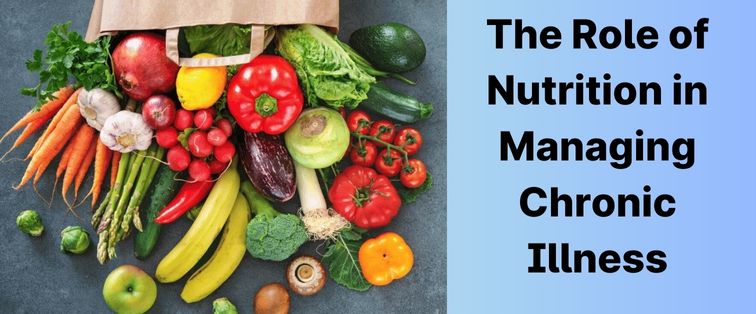
Nutrition plays a pivotal role in the management of chronic illness, a category encompassing conditions that endure beyond three months and often demand ongoing medical attention. Diseases like diabetes, heart disease, chronic obstructive pulmonary disease, and autoimmune disorders affect countless individuals globally, posing formidable challenges for patients, families, and society at large. However, a well-balanced diet can serve as a crucial tool in both preventing and managing chronic illnesses, reducing the risk of developing new conditions in the process.
In recent years, there has been an increasing recognition of the paramount importance of nutrition in managing chronic illness. Research has unveiled the significant impact dietary changes can have on disease progression and treatment outcomes. Therefore, it is imperative to prioritize nutrition as an integral component of a comprehensive approach to managing chronic illness, complementing medical treatments and other lifestyle adjustments.
The Interplay Between Nutrition and Chronic Illness
The relationship between nutrition and chronic illness is intricate, with diet influencing not only disease prevention but also disease progression and treatment outcomes. For example, a diet rich in fruits, vegetables, whole grains, and lean proteins can mitigate inflammation and enhance insulin sensitivity, essential in managing conditions like diabetes and heart disease. Furthermore, specific diets like the Mediterranean diet, the DASH diet, and the low FODMAP diet have demonstrated their ability to alleviate symptoms in individuals grappling with chronic illnesses such as Crohn's disease, Irritable Bowel Syndrome, and Multiple Sclerosis, respectively.
Empowering Statistics and Research
Compelling studies underline the profound impact of dietary changes on chronic illness. A study published in the Journal of the American Medical Association, for instance, revealed that adopting a low-fat, plant-based diet can enhance cardiovascular health and slash the risk of heart disease by up to 40%. Another study, featured in the British Medical Journal, established that a diet rich in fruits and vegetables can reduce the risk of developing cancer by up to 15%.
Diverse Perspectives on Nutrition and Chronic Illness
Nevertheless, access to nutritious food remains an uphill battle for many individuals, particularly those hailing from low-income communities, communities of color, and marginalized populations. The cost of healthy food, limited access to grocery stores offering fresh produce, and cultural and social factors can collectively contribute to inadequate nutrition and an increased risk of chronic illness. Moreover, some individuals grappling with chronic illnesses face unique dietary challenges, such as food allergies, digestive issues, or difficulty swallowing, further complicating their quest for adequate nutrition.
Navigating Challenges and Barriers
While the advantages of a healthy diet for managing chronic illness are evident, implementing dietary changes can prove daunting for many. Numerous barriers and challenges make it arduous for individuals to embrace and maintain healthy eating habits.
One of the most significant hurdles is the availability and accessibility of healthy foods. Many individuals, particularly those residing in low-income or rural areas, lack easy access to fresh, nutritious foods like fruits and vegetables. This scarcity makes it difficult to maintain a healthy diet and often leads to reliance on processed or convenience foods, which are typically high in calories, sugar, and sodium.
Additionally, the high cost of healthy foods remains a formidable challenge. Fresh produce and other nutritious options can strain tight budgets, rendering it difficult for individuals on limited incomes—such as seniors or people with disabilities—to afford a nourishing diet.
A Call to Action: Prioritizing Nutrition in Managing Chronic Illness
In conclusion, nutrition's role in managing chronic illness is undeniable. A healthy diet can prevent and manage chronic illness while enhancing overall health outcomes. Yet, the hurdle of accessing nutritious food remains an obstacle for many individuals, necessitating a multifaceted approach to find solutions.
Here's where you come in: Take a step towards a healthier future by advocating for better access to nutritious food in your community. Support initiatives like community gardens, farmers' markets, and nutrition education programs that aim to increase access to fresh produce and promote healthier eating habits. Additionally, champion policies that endorse healthy food options in schools, workplaces, and healthcare settings. Your voice and actions can help improve overall nutrition and reduce the risk of chronic illness for all.
Join us at OdomCare in our mission to empower individuals and communities to prioritize nutrition as a cornerstone of chronic illness management. Together, we can make a difference and create a healthier future for everyone.