

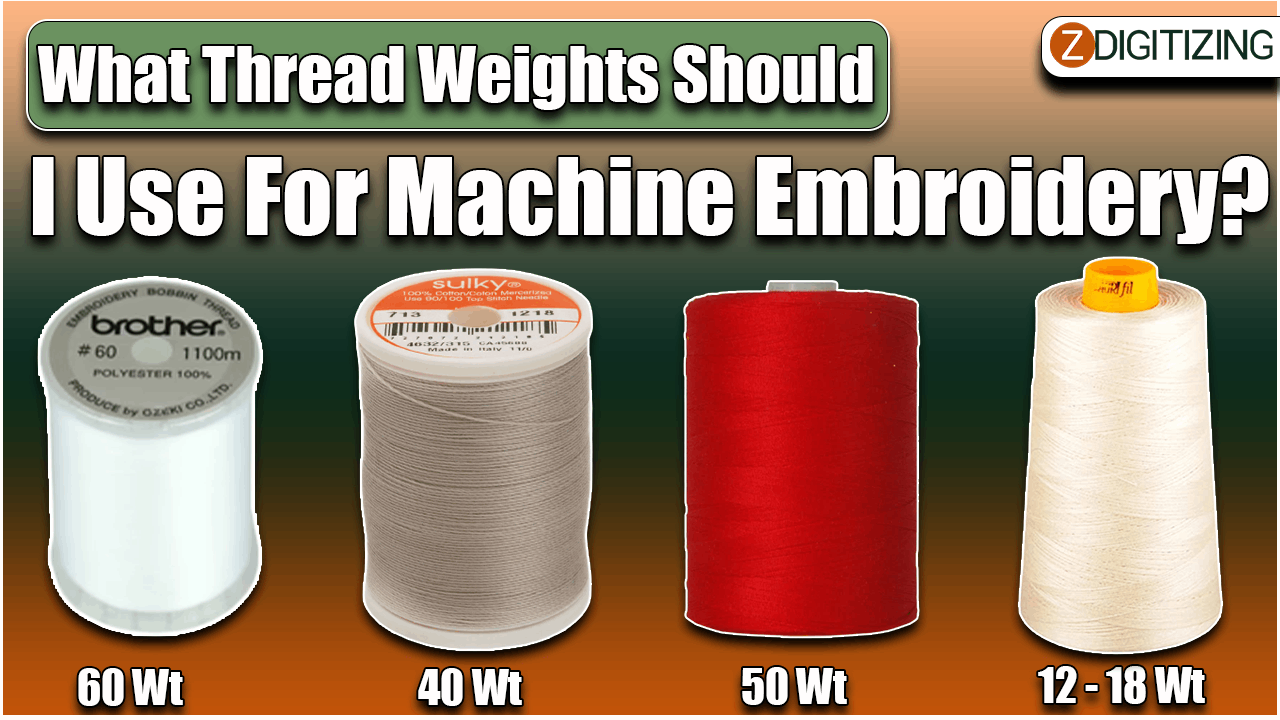
Machine embroidery is a captivating craft that allows you to transform plain fabric into beautiful and intricate designs. One of the crucial elements of successful machine embroidery is selecting the appropriate thread weight. Thread weight not only affects the appearance of your embroidery but also determines the durability and functionality of the final product. In this comprehensive guide, we will delve into the world of thread weights for machine embroidery, exploring their significance, variations, and tips for making informed choices. Whether you're a seasoned embroiderer or new to the realms of embroidery digitizing and vector art services, this guide will help you master the art of thread selection.
Understanding Thread Weight in Machine Embroidery
Thread weight refers to the thickness or diameter of a thread. It is usually measured in denier or tex, with denier being more common in the United States and tex more prevalent in Europe. In general, the higher the thread weight number, the finer and thinner the thread, while lower numbers indicate thicker threads.
Thread weight serves as a critical factor in embroidery digitizing, impacting various aspects of your designs and the final product. Let's explore how thread weight influences machine embroidery:
1. Design Appearance
Thread weight significantly affects the appearance of your embroidery designs. Thicker threads create bold and prominent stitching lines, ideal for designs that require a more pronounced and textured look. In contrast, finer threads produce delicate and intricate details, suitable for complex designs and lettering.
2. Durability
The choice of thread weight can impact the durability of your embroidery. Thicker threads are generally more robust and withstand wear and tear better than finer threads. Consequently, they are commonly used for embroidering on items that will be subjected to frequent use and laundering, such as workwear and uniforms.
3. Fabric Compatibility
Different fabrics have varying levels of thickness and density. Your choice of thread weight should align with the fabric you plan to embroider. Thin fabrics, like silk or chiffon, pair well with finer threads to prevent puckering and distortion. Thicker fabrics, such as denim or canvas, benefit from thicker threads for better coverage and durability.
4. Stitch Density
Thread weight plays a role in determining the stitch density of your embroidery designs in zdigitizing. Thicker threads naturally create denser stitches, which can be advantageous for achieving solid fill areas or bold outlines. Finer threads result in less stitch density, suitable for delicate designs and intricate patterns.
5. Machine Compatibility
Not all embroidery machines are designed to accommodate every thread weight. It's essential to check your machine's specifications and recommendations for compatible thread weights. Using the wrong thread weight can lead to machine issues and subpar embroidery results.
Common Thread Weights in Machine Embroidery
Now that we've established the significance of thread weight, let's explore some common thread weights used in machine embroidery:
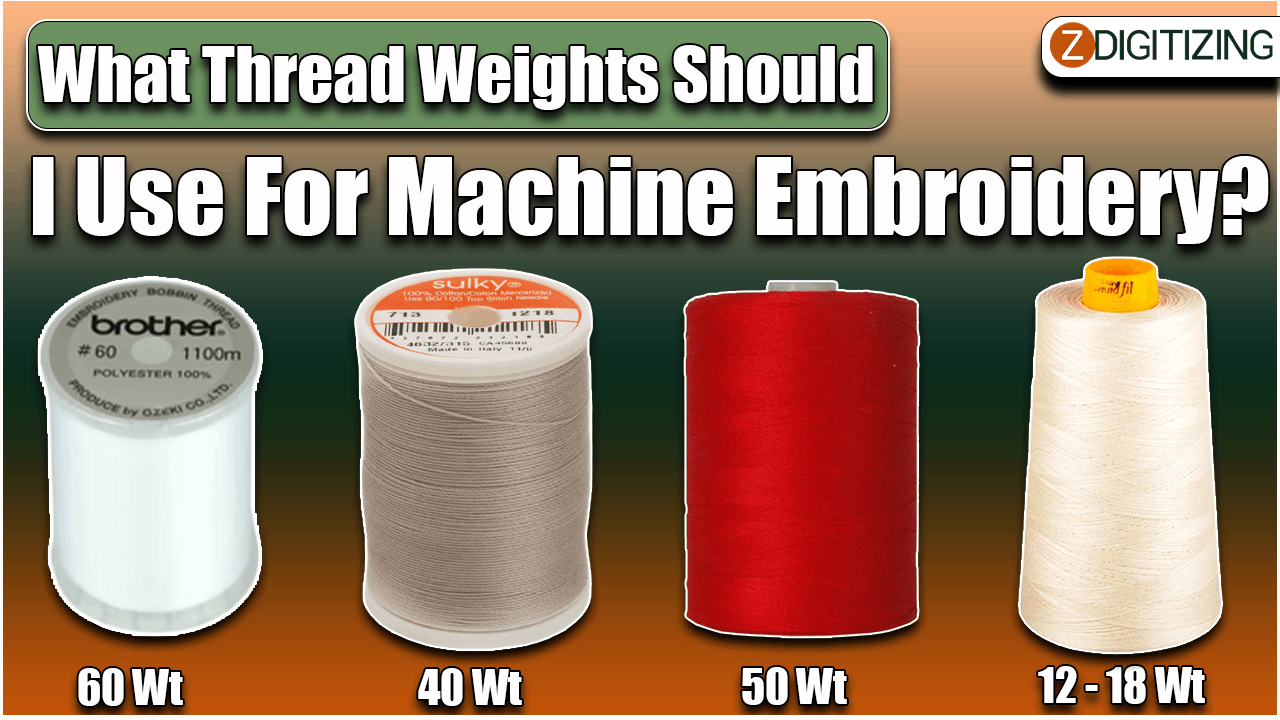
1. 40 wt Thread
40 weight thread is one of the most popular choices for machine embroidery. It strikes a balance between thickness and versatility, making it suitable for a wide range of projects. This thread weight is ideal for adding detail to designs and provides excellent coverage on various fabrics.
2. 30 wt Thread
30 weight thread is thicker than 40 wt and is often chosen for its bold and prominent appearance. It creates textured and raised embroidery, making it a preferred choice for text and monogramming. However, it may not be suitable for intricate designs due to its thickness.
3. 60 wt Thread
60 weight thread is finer and more delicate than 40 wt. It is perfect for intricate and detailed designs, as it produces fine and precise stitching. This thread weight is often used for delicate fabrics and lightweight garments.
4. 12 wt Thread
12 weight thread is among the thickest threads used in machine embroidery. It is renowned for its bold and textured appearance, resembling hand-embroidery. This thread weight is typically used for decorative and artistic embroidery, adding depth and dimension to designs for best embroidery software.
5. Rayon vs. Polyester
When considering thread weight, you'll also encounter choices between rayon and polyester threads. Each has its unique properties:
- Rayon Thread: Rayon threads have a natural sheen that lends an elegant look to embroidery designs. They are often chosen for their vibrant and glossy finish, making them suitable for decorative and fashion-oriented embroidery.
- Polyester Thread: Polyester threads are known for their durability and colorfastness. They are highly resistant to fading and are an excellent choice for embroidery on items that will be exposed to frequent washing and harsh conditions, such as work uniforms and sportswear.
Tips for Choosing the Right Thread Weight
Selecting the right thread weight for your machine embroidery projects requires careful consideration. Here are some tips to help you make informed choices:
1. Project Type
Consider the nature of your embroidery project. If you're creating intricate and delicate designs, opt for finer thread weights like 60 wt. For bold and textured designs, thicker threads like 30 wt or 12 wt may be more appropriate.
2. Fabric Choice
The type of fabric you're embroidering on should influence your thread weight selection. Thin and delicate fabrics benefit from finer threads to avoid puckering and distortion. Thicker fabrics require thicker threads for better coverage and durability.
3. Machine Compatibility
Ensure that the thread weight you choose is compatible with your embroidery machine. Consult your machine's manual or manufacturer recommendations for guidance.
4. Design Complexity
Consider the complexity of your embroidery design. Finer threads are better suited for intricate details, while thicker threads are ideal for bold outlines and solid fills.
5. Appearance Goals
Determine the desired appearance of your embroidery. If you want a glossy and vibrant finish, rayon threads may be preferable. If durability and colorfastness are a priority, polyester threads are a wise choice.
6. Test Stitch
Before starting your final embroidery project, conduct test stitches on a scrap piece of fabric using different thread weights. This allows you to evaluate the visual and structural impact of each thread weight and make adjustments accordingly.
Conclusion
Choosing the right thread weight for machine embroidery is a critical decision that significantly influences the quality and appearance of your designs. By understanding the impact of thread weight on stitch consistency, durability, fabric compatibility, and overall appearance, you can make informed choices that elevate your embroidery projects. Whether you're engaged in embroidery digitizing, vector art services, or simply pursuing machine embroidery as a creative hobby, mastering the art of thread selection is essential to achieving exceptional results. So, experiment, explore, and let your thread choices breathe life into your embroidery creations.