

A septic system is an integral part of any household, as it is responsible for treating and disposing of wastewater efficiently. However, in cold climates, maintaining a healthy septic system can be a bit more challenging due to the freezing temperatures. This article provides valuable tips and insights on how to take care of your septic system during the winter months, ensuring its proper functioning and longevity.
Understanding the Role of a Septic System
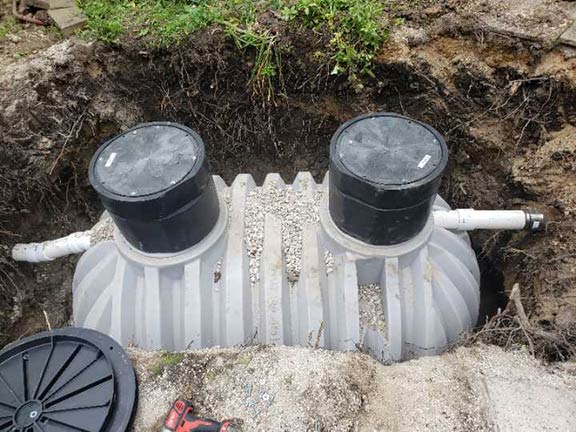
Before we delve into the tips for maintaining a healthy septic system in cold climates, it is important to have a clear understanding of how a septic system works. A septic system is a decentralized wastewater treatment system usually found in rural areas. It consists of a septic tank and a drain field, both of which play crucial roles in the treatment and disposal of wastewater.
The Importance of Regular Maintenance
Maintaining a septic system is essential to prevent any potential issues and costly repairs. Regular maintenance ensures that your septic system functions optimally and lasts for many years. In cold climates, where freezing temperatures pose additional challenges, proper maintenance becomes even more crucial.
Tips for Maintaining a Healthy Septic System in Cold Climates
1. Insulate Your Septic System
One of the most effective ways to protect your septic system from freezing temperatures is by insulating it. Insulation helps to retain heat and prevent the system from freezing. You can use insulation blankets or foam board insulation to cover the septic tank and the pipes leading to the drain field. This simple step can go a long way in maintaining a healthy septic system during the winter months.
2. Keep the Area Around Your Septic System Clear
Remove any snow, ice, or large accumulations of leaves or debris from the area around your septic system. This will prevent the snow from piling up and freezing over the tank and pipes. Additionally, make sure to trim any trees or shrubs near the septic system to avoid root infiltration, which can cause damage and compromise the system's functionality.
3. Conserve Water
In cold climates, water conservation becomes even more critical as excess water can overwhelm the septic system and increase the risk of freezing. Be mindful of your water usage and avoid any unnecessary wastage. Fix any leaks or dripping faucets promptly, as even small amounts of water can add up over time.
4. Practice Proper Waste Disposal
It is essential to be mindful of what you flush down the drains and toilets. Avoid flushing non-biodegradable items, such as wet wipes, sanitary products, or grease, as these can clog the septic system and impede its functionality. Using septic-safe toilet paper and biodegradable cleaning products will help maintain a healthy septic system.
5. Schedule Regular Pumping
Regular pumping of the septic tank is crucial for its proper functioning. In cold climates, where freezing can cause solid waste to accumulate and hinder the system's efficiency, it becomes even more important to adhere to a regular pumping schedule. Consult a professional septic service provider to determine the appropriate frequency of pumping based on your household size and usage.
6. Avoid Parking or Driving Over Your Drain Field
During the winter months, it is vital to avoid parking vehicles or driving over the drain field. The weight of vehicles can compress the soil and potentially damage the pipes or disrupt the distribution of wastewater. Find alternative parking spots or create clear paths away from the drain field to avoid any potential problems.
Conclusion
Maintaining a healthy septic system in cold climates requires extra care and attention. By implementing the tips mentioned in this article, you can ensure the longevity and functionality of your septic system throughout the winter months. Remember that regular maintenance, proper insulation, and responsible usage are the keys to a healthy septic system. If you have any concerns or need assistance, do not hesitate to consult a professional septic service provider to get expert advice and guidance tailored to your specific needs.