Introduction
Welcome to our blog! Today, we are going to explore a question that is frequently asked by cat lovers who suffer from allergies: Are Bengal cats hypoallergenic? If you are someone who loves cats but is allergic to them, this article is for you. We will delve into the characteristics of Bengal cats and their potential to trigger allergies. So, let's get started!
Understanding Allergies to Cats
Before we dive into the hypoallergenic nature of Bengal cats, let's briefly discuss why some people are allergic to cats in the first place. Contrary to popular belief, it is not cat hair that causes allergies, but rather a protein called Fel d 1. This protein is produced by the sebaceous glands of cats and is found in their saliva, urine, and dander. When cats groom themselves, this protein gets onto their fur and can become airborne.
What Does "Hypoallergenic" Mean?
When we say a cat breed is hypoallergenic, it means that it has a reduced ability to cause an allergic reaction in individuals who are prone to cat allergies. However, it is important to note that no cat breed is completely hypoallergenic. Every cat will produce at least some level of Fel d 1 protein, although the amount can vary.
Bengal Cats and Allergies
Now, let's focus our attention on Bengal cats specifically. Bengal cats are a unique and distinctive breed that originated from the crossing of an Asian leopard cat with a domestic cat. These cats are known for their stunning coat patterns that resemble the markings of wild leopards or jaguars.
When it comes to allergies, some people claim that they experience fewer symptoms around Bengal cats compared to other cat breeds. This leads to the belief that Bengal cats are hypoallergenic. However, the scientific evidence supporting this claim is limited.
Bengal cats do produce the Fel d 1 protein, which means they can potentially cause allergies in sensitive individuals. The main reason some people with allergies may have a better experience with Bengal cats is related to their grooming habits and coat characteristics. Bengal cats have a short, dense coat that requires less maintenance and grooming compared to long-haired breeds. This means there is potentially less Fel d 1 protein spread throughout the environment through shedding and grooming.
Reducing Allergens Around Bengal Cats
If you are considering bringing a Bengal cat into your home despite having allergies, there are several measures you can take to reduce allergen exposure:
- Regular grooming: Brushing your Bengal cat regularly can help remove loose fur and minimize the amount of allergens present in their coat.
- Frequent cleaning: Vacuuming and dusting your home frequently can help reduce the presence of allergens on surfaces.
- Air purifiers: Investing in a high-quality air purifier with a HEPA filter can help capture airborne allergens.
- Designated cat-free areas: Creating specific areas in your home where your Bengal cat is not allowed can provide allergy-free zones for you.
Seeking Allergy Testing and Advice
If you are considering getting a Bengal cat but are concerned about potential allergies, it is advisable to undergo allergy testing. By identifying specific allergens that trigger your symptoms, you can make an informed decision about cat ownership.
Additionally, consulting with an allergist or immunologist can provide valuable insights and personalized recommendations based on your individual circumstances. They can guide you on managing your allergies effectively while still enjoying the companionship of a Bengal cat.
In Conclusion
While Bengal cats may have a reputation for being hypoallergenic, it is important to understand that no cat breed can guarantee an allergy-free experience. The individual sensitivity to cat allergens can vary greatly from person to person. If you suffer from allergies and are considering getting a Bengal cat, it is essential to spend time with the breed, undergo allergy testing, and take necessary precautions to minimize exposure to allergens. With proper management and care, it is possible to coexist with a Bengal cat while minimizing allergy symptoms.
We hope this article has shed some light on the hypoallergenic nature of Bengal cats. If you have any further questions or experiences to share, please feel free to leave a comment below. Thank you for reading!


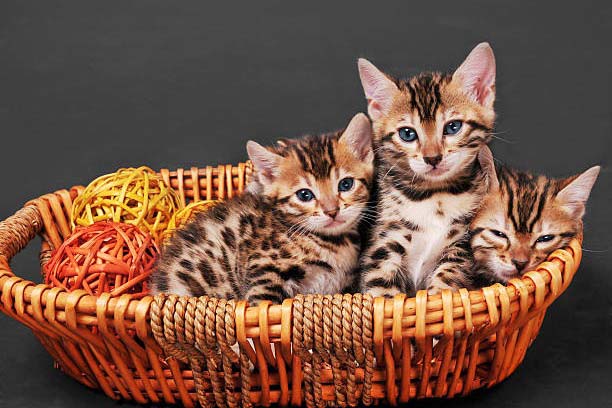
Our kittens are raised at home with lots of daily attention, and they are exceptionally gentle with children.
Crumpled pieces of paper and Kitten toys are often scattered around the floor.Blueprint Bengal CatsAbout BengalsThe Bengal could never be called delicate.
They’re athletes: agile and graceful with a strong, muscular body, as befits a cat who looks as if they belong in the jungle.
Despite their wild appearance, Bengal cats are actually quite affectionate with their human families.
That said, they also have high energy and a fun-loving, playful side.
He likes to play games, including fetch, and he’s a whiz at learning tricks.