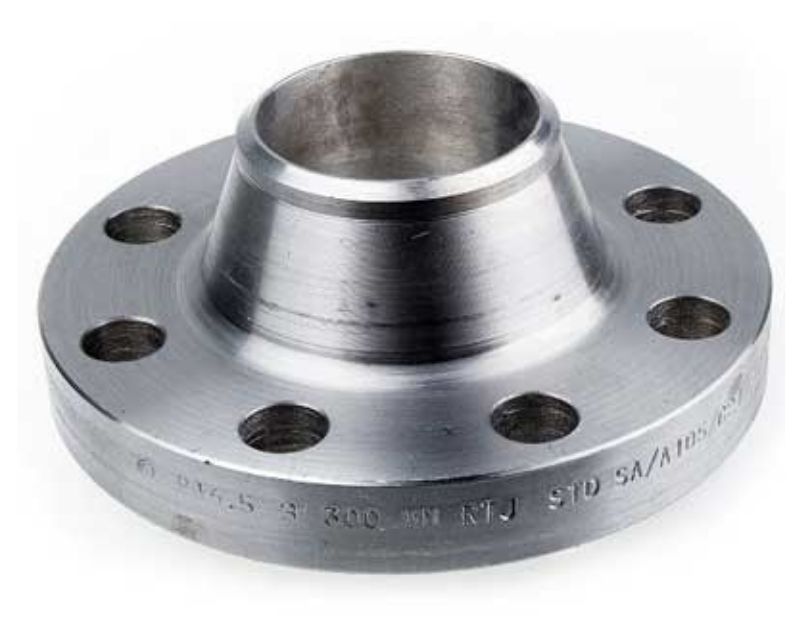
Lap joint flanges are indispensable components in the world of piping systems. They play a pivotal role in connecting various sections of pipes, ensuring seamless operations in various industrial sectors. In this article, we'll delve into the intricacies of ljff flange, understanding their design, benefits, applications, and more.
Understanding the Design
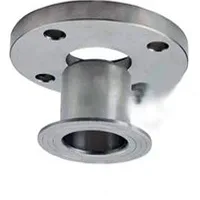
Lap joint flanges, often referred to as backing flanges, are typically used in conjunction with stub ends. The primary design feature that distinguishes them from other flange types is the presence of a curved radius at the base. This radius offers room for the stub end to sit, allowing for the flange to swivel freely around the stub end. Because of this design, the flange itself doesn't come in contact with the fluid being transported, which makes it versatile for various applications.
Benefits of Using Lap Joint Flanges
There are several advantages that lap joint flanges bring to the table:
Versatility: Since the flange doesn't come into direct contact with the fluid, different materials can be used for the stub end and the flange. This can lead to significant cost savings, especially in corrosive environments where expensive materials are required.
Ease of Assembly: Their ability to rotate around the pipe facilitates easier alignment of the bolt holes during assembly, simplifying the installation process.
Maintenance Friendly: In scenarios where regular inspection or cleaning is required, these flanges are particularly useful because the pipe doesn't need to be moved or realigned during maintenance.
Common Applications
Lap joint flanges have diverse applications:
- Petrochemical Industry: They are ideal for processes where there are frequent changes in temperature or pressure. The flexibility in material selection ensures corrosion resistance in challenging environments.
- Food and Beverage: The ease of maintenance and cleaning makes lap joint flanges popular in the food and beverage industry, especially in systems where hygiene is paramount.
- Water Treatment Plants: Their resistance to corrosion and ability to withstand varying pH levels make them well-suited for water treatment facilities.

Material Considerations
Given that the flange doesn't touch the fluid, it can be manufactured from a material different from the stub end. Common materials for lap joint flanges include carbon steel, stainless steel, and alloy steel. The stub end, which contacts the fluid, is usually chosen based on corrosion resistance and strength requirements.
In Conclusion
Lap joint flanges offer a blend of flexibility, cost-effectiveness, and efficiency. Their unique design and the myriad of benefits they provide make them a preferred choice in various industries. Whether you are in the petrochemical, food, or water treatment sector, incorporating lap joint flanges can significantly enhance your piping system's durability and functionality.
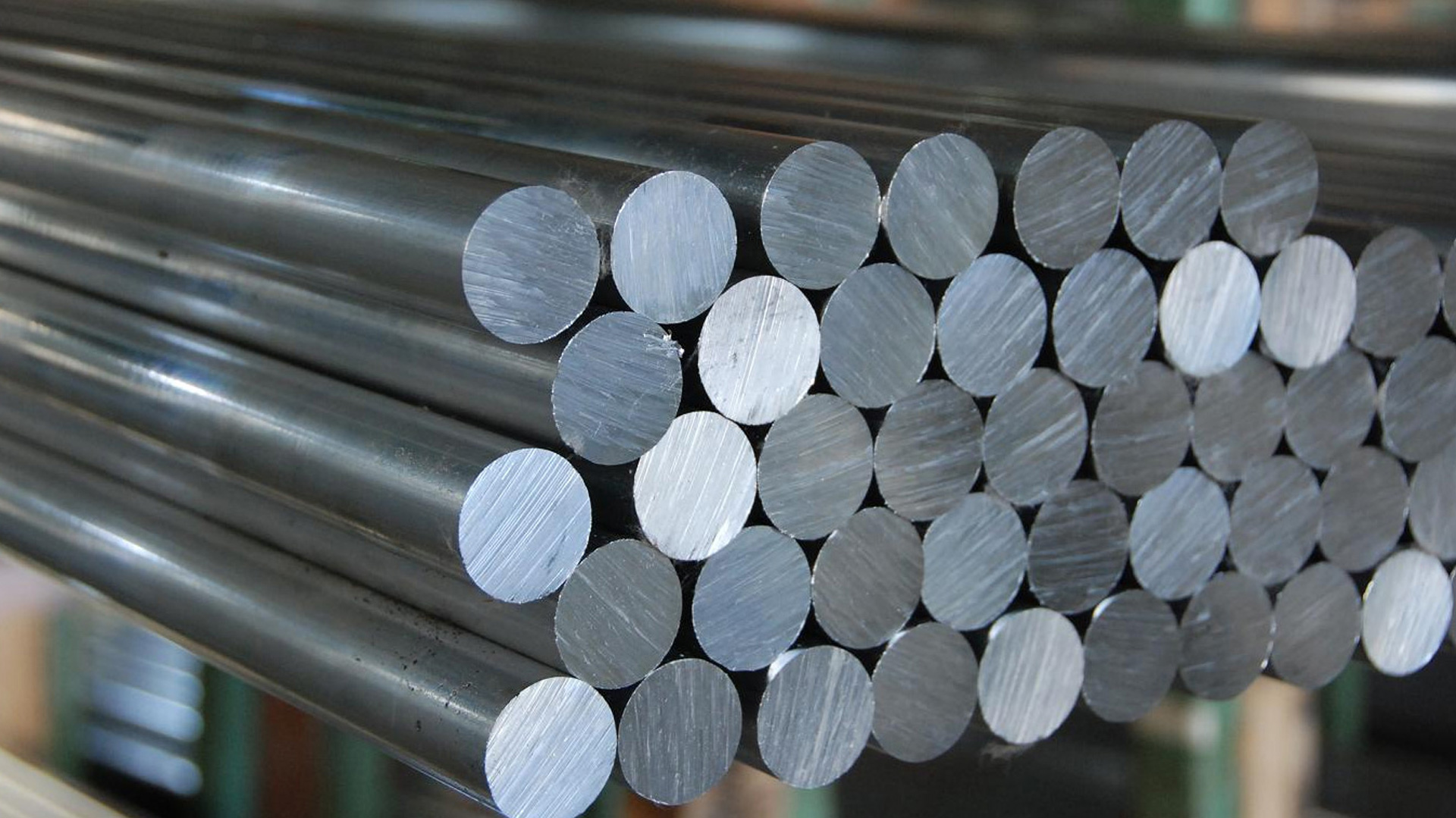
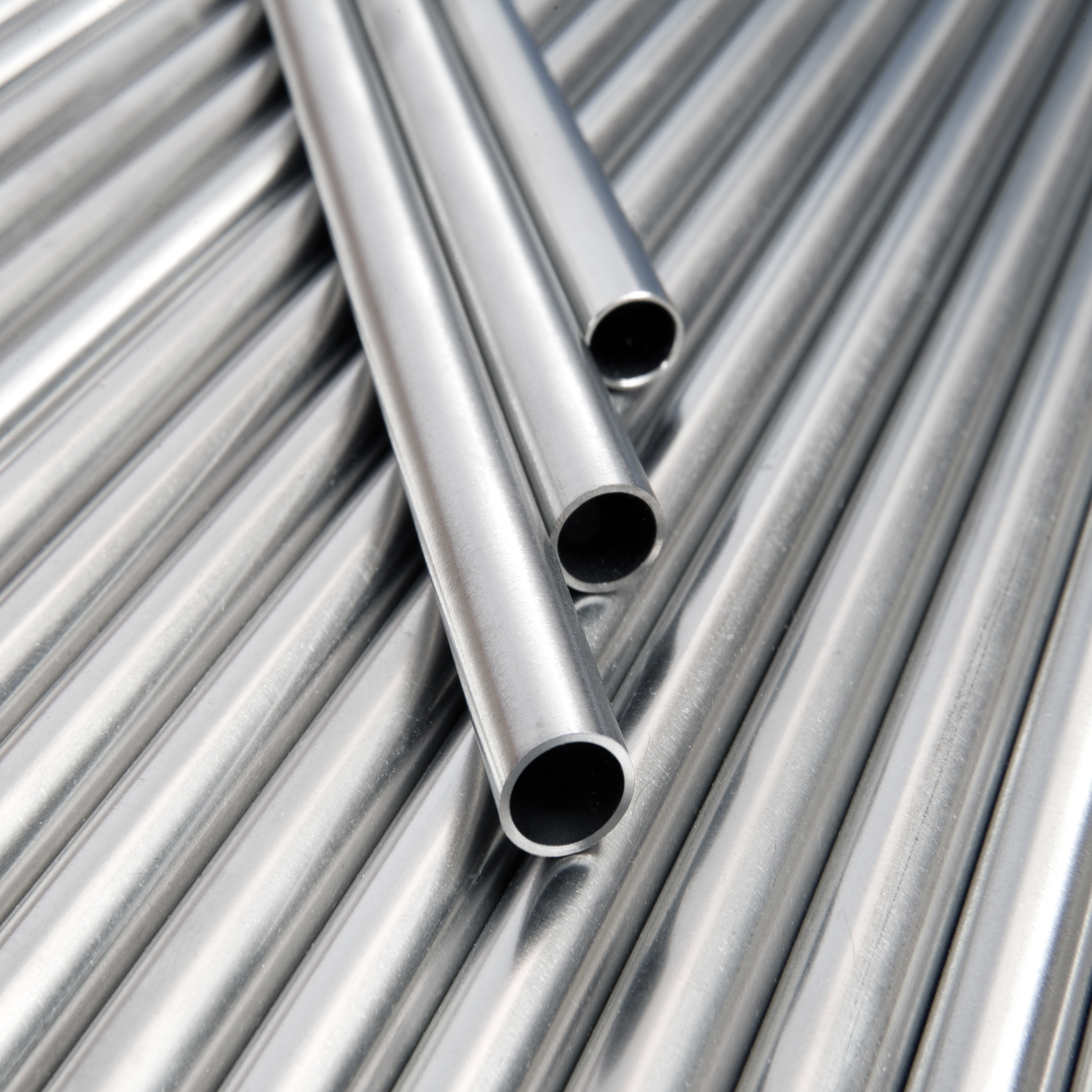

The in-depth market estimation of various opportunities in the segments is expressed in volumes and revenues during the forecast period 2019 – 2027.
These are covered in numerous sections, including, drivers and restraints, challenges and opportunities, regional segmentation and opportunity assessment, end-use/application prospects analysis, and competitive landscape assessment.
The global flanges market is projected to grow at a CAGR of over 5.5% and is estimated to reach a value pool of over US$ 7 Bn by the end of the forecast period (2019-2027).Key stakeholders in the Flanges market including industry players, policymakers, and investors in various countries have been continuously realigning their strategies and approaches to implement them in order to tap into new opportunities.
Many in recent months have overhauled their strategies to remain agile in the backdrop of worldwide disruptions caused by the COVID-19 pandemic.
Request to View Sample of Research Report @ https://www.factmr.com/connectus/sample?flag=S_id=4472The study also offers scrutiny of the changing government policies amid COVID-19 disruptions.
Policymakers in developing and developed nations are framing new regulations to meet the continuing macrocosmic shocks by COVID-19 pandemic.