Introduction to Foundry Services:
Foundry services are essential to the manufacturing industry, providing companies with the resources and expertise to produce high-quality metal components. These services encompass a wide range of processes, from casting and molding to machining and finishing, making them an integral part of many industries, such as aerospace, automotive, construction, and more.
With technological advancements and increasing demand for customized products, foundry services have also evolved. Today, they offer various capabilities catering to various industries' diverse needs. This section will explore the basics of foundry services and their various applications.
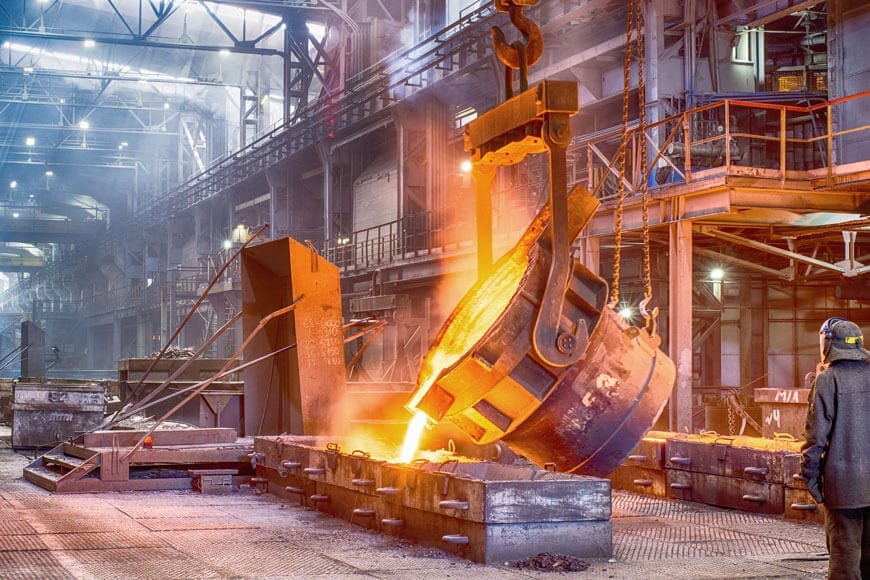
Foundry services refer to the processes involved in producing metal components by melting metals into liquid form and pouring them into molds or patterns. The process begins with choosing the right type of metal for the desired component. Commonly used metals include iron, steel, aluminum, copper, brass, bronze, zinc, and magnesium. Each metal has its unique characteristics that make it suitable for specific applications.
The Importance of Foundry Services in Manufacturing;
Foundry services are crucial in manufacturing, providing essential components for various applications and products. From small-scale production to large industrial projects, foundries produce high-quality metal parts used in almost every aspect of our daily lives.
One of the main reasons foundry services are crucial in manufacturing is their ability to create complex and intricate metal parts with precision and accuracy. The casting process involves pouring molten metal into a mold, allowing it to cool and solidify before removing it to reveal the desired shape. This method creates highly detailed and customized parts that would be difficult or impossible to produce using other manufacturing techniques.
Furthermore, foundry services offer a wide range of materials for casting, including iron, steel, aluminum, bronze, and many others. Each material has unique properties and characteristics that make it suitable for different applications. For example, iron is known for its strength and durability, making it an ideal choice for heavy-duty machinery parts. On the other hand, aluminum is lightweight yet strong, making it perfect for aerospace components.
Using foundry services also enables manufacturers to produce parts in large quantities at a relatively low cost. This is because casting allows for mass production without sacrificing quality or precision.
Advantages of Using Foundry Services:
1. Cost-Effective Production:
One of the significant advantages of using foundry services is their cost-effectiveness. Foundries have specialized equipment and skilled workers that can produce high-quality products at a lower cost than in-house production. This is because they have economies of scale, which means that their fixed costs are spread out over a more significant number of units, making each unit's production cost lower.
2. Access to Advanced Technology:
Foundries invest in the latest technology and equipment to ensure efficient and high-quality production. By using foundry services, companies gain access to these advanced technologies without having to make significant investments themselves. This allows them to stay competitive by delivering innovative and high-performance products.
3. Expertise and Knowledge:
Foundries specialize in casting methods, which requires extensive knowledge and expertise. Their experienced technicians are trained in various casting techniques such as sand casting, investment casting, die casting, etc., ensuring that the final product meets all quality standards. Working with a foundry also gives companies access to technical advice and support throughout the manufacturing process.
4. Flexibility in Production:
Foundries offer flexibility when it comes to production quantities and timelines. They can accommodate small or large orders depending on the client's needs while maintaining consistent quality standards for each batch produced. Additionally, foundries often have shorter lead times than other manufacturing methods, allowing companies to bring their products to market faster.
How to Choose the Right Foundry Service Provider for Your Business?
- When it comes to manufacturing, finding the right foundry service provider is crucial for the success of your business. A foundry service provider creates custom metal or alloy components in various industries, such as automotive, aerospace, and construction. Choosing the right foundry can be daunting, considering many factors. This section will discuss important factors to remember when selecting a foundry service provider for your business.
- Determining your needs is the first step in choosing the right foundry service provider. This includes understanding your production requirements, budget constraints, and quality standards. Different foundries specialize in different processes and materials, so it is essential to have a clear idea of what you need before starting your search.
- Choosing a foundry with extensive experience and expertise in your industry is crucial. They should have a proven track record of producing high-quality components that meet industry standards. You can ask for references or look at their portfolio to understand their capabilities.
- Quality control is crucial in the manufacturing process, especially when it comes to metal components that require precision and strength. Before finalizing a foundry service provider, ensure they have robust quality control measures to ensure consistent quality throughout production.
Innovations and Trends in the World of Foundry Services;
The world of foundry services is constantly evolving and adapting to new technologies, customer demands, and industry trends. As such, it is essential for businesses operating in this field to stay up-to-date with the latest innovations and trends to remain competitive and provide high-quality services to their clients. This section will explore some of the most significant developments in foundry services.
1. Advanced Manufacturing Techniques:
One of the most significant innovations in the foundry industry is adopting advanced manufacturing techniques such as 3D printing, also known as additive manufacturing. This method allows for faster production times, reduced waste material, and increased design flexibility. With 3D printing, complex parts that were previously impossible can be produced using traditional casting methods. This technology has revolutionized how foundries operate and opened up new customization and cost-effective production opportunities.
2. Automation:
Automation has become increasingly prevalent in all industries, including foundry services. Robotics and artificial intelligence advancements have enabled foundries to automate many parts of their processes, resulting in increased efficiency, higher precision, and reduced labor costs. Automated systems can now handle tasks such as pouring molten metal into molds or removing finished products from casting machines. This improves productivity and ensures a safer working environment for employees.
Conclusion:
In today's fast-paced business world, staying ahead of the competition is crucial for success. As industries evolve and demand for innovative products grows, businesses must continuously adapt to meet these changing needs. This is where foundry services come into play.
Foundry services offer various benefits that can significantly benefit businesses in multiple industries. From specialized manufacturing processes to access to advanced technology and equipment, utilizing foundry services can be a game-changer for your business. Moreover, foundries often have economies of scale that allow them to produce large quantities at lower costs per unit than most companies could achieve independently. This cost-effectiveness translates into significant savings for businesses while still making high-quality products.