

The world of triathlon beckons with the promise of a variety of challenges and the thrill of conquering three disciplines in one race.
When newcomers embark on this exciting journey, they are greeted not only with a sense of accomplishment but also with a confusing set of terms that can sound like a foreign language.
From “brick workout” to “transition zone,” this glossary aims to unravel the complex terminology of triathlon.
Imagine being able to communicate with experienced triathletes, understand race instructions with ease, and participate in the sport with a new sense of confidence.
With this glossary you will be able to understand the nuances of the definition of triathlon, opening the door to a world where each term means a new challenge overcome and a step towards mastery.
Let’s embark on this journey of demystification.
It transforms complex terms into accessible knowledge that encourages newcomers to have a rewarding triathlon adventure.
Brick Workout: Transitioning with Precision
In the triathlon lingo, the term “brick workout” is a unique and key concept that offers beginners a glimpse into the dynamic demands of the sport.
This intriguingly named training technique plays a crucial role in preparing athletes to switch between disciplines seamlessly.
In particular, between cycling and running, optimizing their performance.
1. Definition
The term “brick” itself is curious.
It comes from the phrase “brick legs” – the feeling you get in the first moments of running after an intense bike ride.
Imagine feeling as if bricks were tied to your legs as you switch from pedaling to running.
An instant heaviness that serves as a tangible reminder of the body’s adaptation process.
2. A Real-Life Example
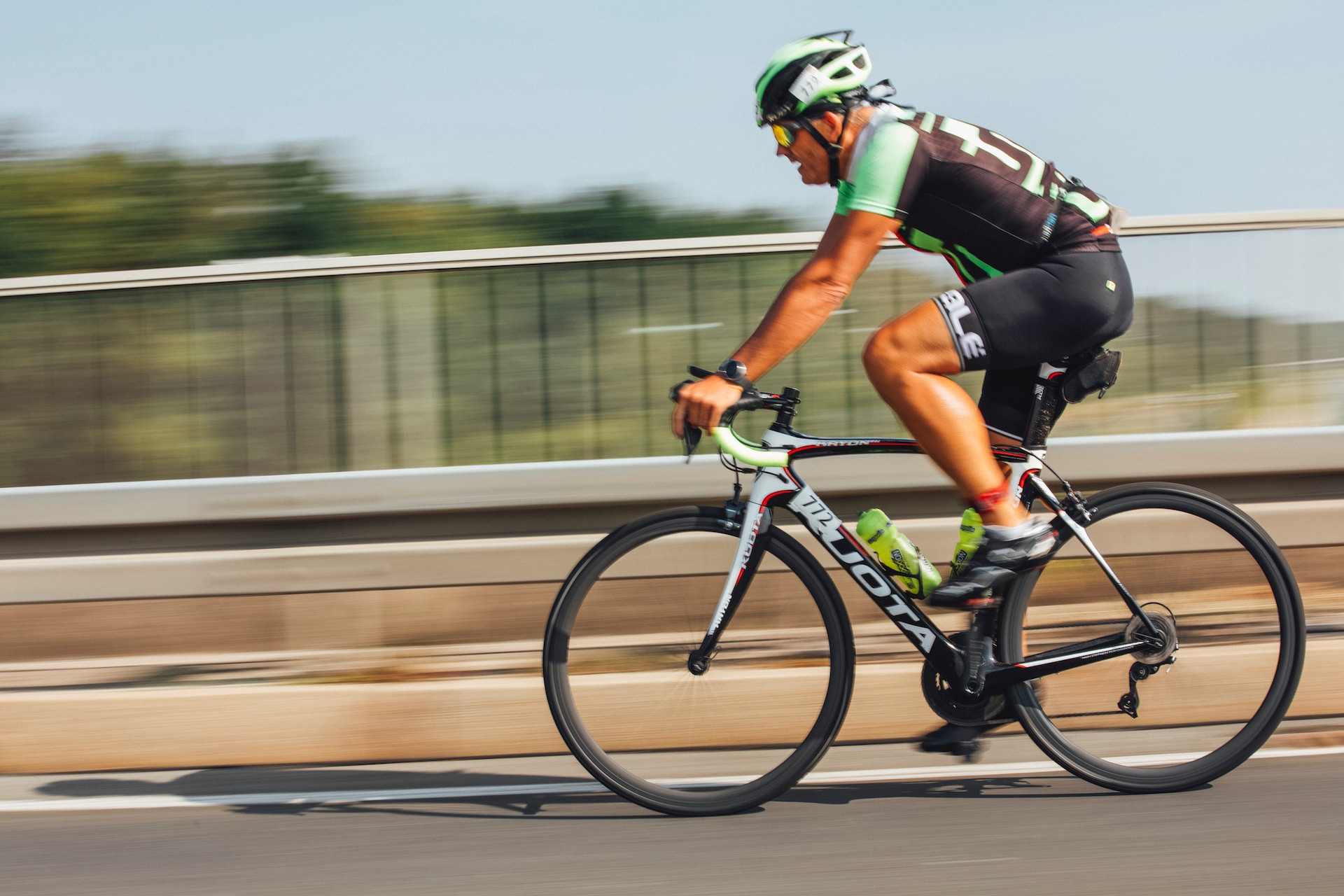
Let’s dive into a real-life example: a typical brick workout might include a challenging cycling session followed immediately by a run.
Imagine cycling for a long time, pushing yourself to the limit to simulate race conditions.
When you get off the bike and start running, those “brick legs” kick in.
The initial discomfort is a learning experience, an understanding of the body’s adaptation process.
3. Research
Research confirms the effectiveness of brick training.
Research published in the Journal of Science and Medicine in Sport shows that this training technique significantly improves running performance after cycling.
Athletes who regularly train with bricks demonstrate improved neuromuscular coordination and smoother transitions, which ultimately shaves crucial seconds off their overall race time.
So, brick training is not just a fancy term, it is a strategic training technique designed to prepare triathletes for the unique demands of switching disciplines.
With each workout, newcomers not only build physical strength but also develop the mental toughness needed to overcome the challenges of the triathlon journey.
With the next term in our triathlon terms, we explore the intricacies of drafting, an art that uses physics to conserve energy and optimize speed during the bike leg of a triathlon.

Drafting: The Art of Slipstreaming
In the complex world of triathlon, the term “drafting” refers to a strategic approach that can significantly change the dynamics of a bike stage.
It is often referred to as the art of slipstreaming, where a cyclist rides in the tail of another cyclist.
This is necessary to take advantage of the reduced wind resistance and save energy.
1. Advantages
The aerodynamic advantage of drafting is paramount.
When a cyclist pedals in the air, he creates a trail of disturbed air behind him.
By positioning themselves in this wake, the cyclist behind them enters a zone of reduced wind resistance, spending less energy to maintain a given speed.
The result is significant energy savings that can be crucial for long bike segments of a triathlon.
2. Statistics
Research and statistics emphasize the energy-saving benefits of drawing.
A study conducted by the Center for Sports Medicine and Performance at the University of Colorado Boulder found that using a drift can result in energy savings of up to 30% compared to cycling alone.
In sports where the difference between victory and defeat can be a fraction of a percent, this reduction in energy expenditure can lead to significant time gains, especially over long distances.
3. Disadvantages
However, drafting is not without its challenges.
Maintaining a safe distance and following the drafting rules requires precision and concentration.
This can complicate the already difficult racing conditions.
In addition, the art of slipstreaming requires situational awareness.
Knowing when to pull up behind another cyclist and when to overtake them to avoid penalties.
In conclusion, studies demonstrating quantifiable energy-saving benefits show that this practice has the potential to have a significant impact on race results.
For beginners, understanding the intricacies of folding not only improves their racing strategy but also fosters a respect for balance.
Between individual achievement and adherence to the sport’s rules.
Delving deeper into the concept of the transition zone, we explore the carefully organized area where athletes transition from swimming, cycling, and running with precision and efficiency.

Transition 1 (T1) And Transition 2 (T2): Quick Changes
In triathlon, the transitions from one discipline to another are not just interludes, but crucial moments that can make or break a race.
The triathlon lingo has two terms that capture the essence of these fast and choreographed maneuvers: “T1” and “T2”.
They mean the first and second transitions, respectively.
These transitions represent the art of changing from swimmer to cyclist in T1.
From cyclist to runner in T2.
It’s a delicate ballet of precision and efficiency that can make a big difference in the outcome of a race.
A study published in the Journal of Sports Science & Medicine found that triathletes who manage transitions well tend to outperform their peers.
These valuable seconds saved on transitions contribute not only to the overall race time but also to the psychological support of the momentum needed to win.
Transition 1 (T1): From Swimming to Cycling
Transition 1 marks the journey from the water to the bike.
As athletes emerge from the water, their bodies soaked and adrenaline pumping, the clock continues to tick.
The T1 sequence involves shedding the wetsuit, if worn, and changing into cycling gear.
This process, which seems simple, requires careful organization.
Unzipping, pulling off the wetsuit while the wet skin clings.
After taking off the wetsuit, athletes put on cycling shoes, helmets and any other additional equipment.
The layout of the transition area should be organized in such a way as to ensure smooth movement from the exit of the pool to the bike rack.
Transition 2 (T2): From Bike to Run
Once the bike leg is complete, athletes get off the bike to prepare for the final discipline, running.
Transition 2 is a microcosm of efficiency, where the cycling gear is replaced with running gear.
The transition is marked by a smooth change from cycling shoes to running shoes.
Helmets are replaced by caps, and cycling gloves can give way to sweatbands to control sweating.
This quick change of outfits sets the stage for the run, the final battle of the triathlon.
For beginners, mastering transitions is not just about saving time, it’s a lesson in adaptability, efficiency, and the art of smooth gear changes.
A set of skills that go beyond triathlon and the broader canvas of life itself.
Next, we dive into the world of open-water swimming, which takes place in natural bodies of water such as lakes, rivers, or oceans.

Open Water Swimming: A Whole New Ballgame
The tranquility of natural bodies of water – lakes, rivers, or oceans – can hide challenges that lurk beneath the surface.
Especially when they serve as a canvas for the swimming leg of a triathlon.
“Open water swimming” marks a departure from the controlled environment of the pool, introducing a whole new set of dynamics.
It presents a unique challenge to athletes.
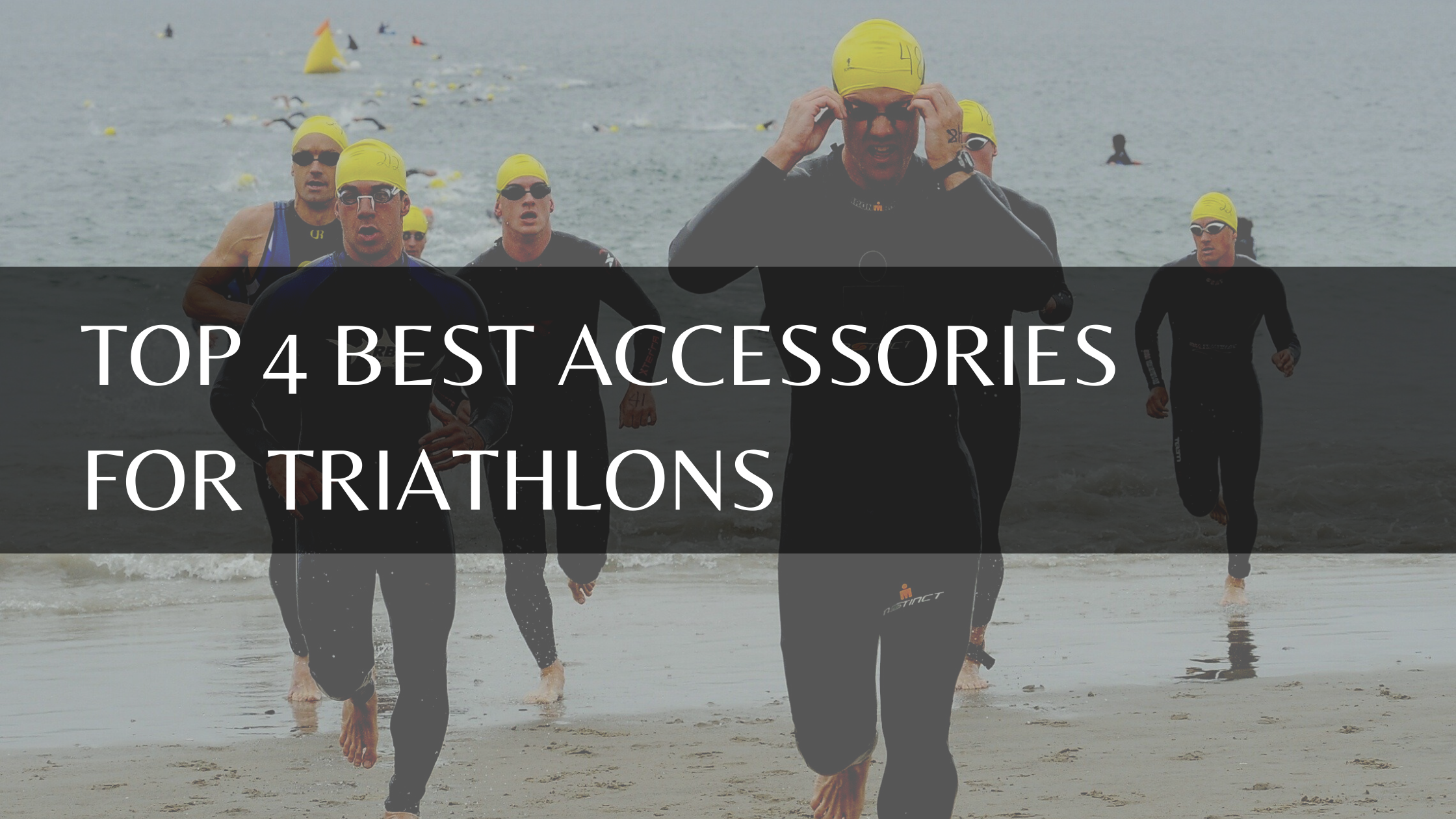
When triathletes dive into open water, they must navigate not only the distance but also the complexities of currents, waves, and the lack of pool walls.
Swimming Challenges
1. Navigation
The challenges of open-water swimming begin with navigation.
In a pool, swimmers are guided by a black line on the bottom.
In open water, there is no such landmark.
Navigational markers on the shore or buoys along the course replace the clear lines of the pool.
Swimmers must master the skill of periodically lifting their heads to make sure they are on the right course.
2. Waves and Currents
Waves and currents further complicate open-water swimming.
Unlike pools, where the water surface remains mostly calm, waves appear in open water.
They can cover swimmers.
Currents, often driven by the tides, can change the swimming experience.
They can help or hinder your progress.
3. Lack of Pool Walls
One of the unique challenges that open-water swimmers face is the lack of pool walls.
In a pool, swimmers can push off the walls to gain momentum and conserve energy.
In open water, each stroke requires constant effort, and the walls do not provide a break.
Such prolonged efforts can lead to varying degrees of fatigue and require increased endurance.
Learn more about definition of triathlon.