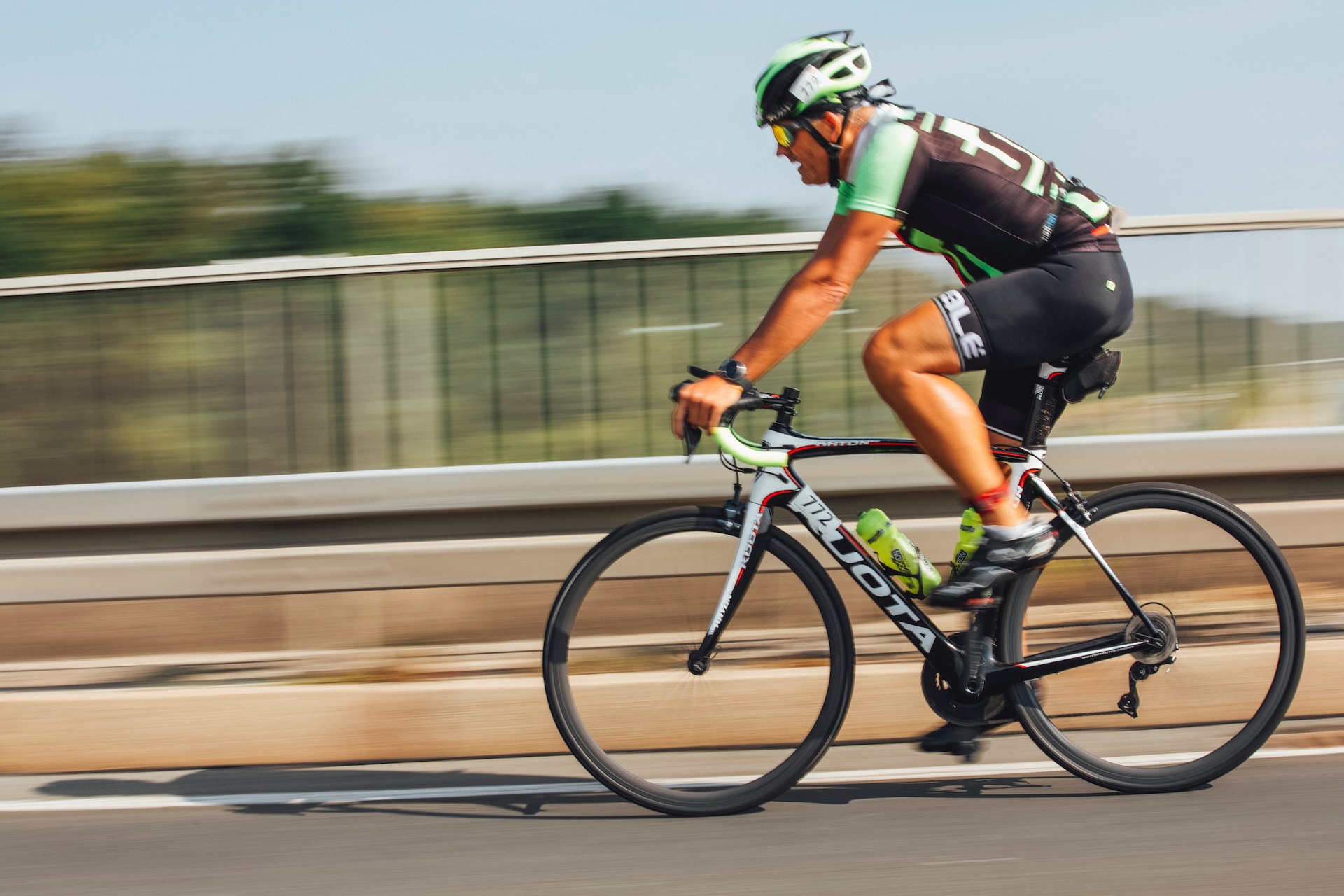



Extreme athletes who travel staggering distances and demonstrate remarkable endurance face a huge challenge.
Triathletes, ultramarathon runners, and cyclists who push the boundaries of human endurance face enormous physical and mental stress.
These extraordinary competitions require a careful approach not only to training but also to nutrition.
From the first stroke of the pedals to the crossing of the finish line, nutrition is the catalyst that drives endurance athletes’ diets to victory.
Let’s look at how you can optimize this key factor to maximize its potential.
Pre-Training Nutrition Strategies
In their relentless pursuit of maximum performance, endurance athlete diets realize that every detail counts.
Nutrition plays a key role in determining success.
Especially the strategies used before a training session or race.
So, let’s step into the world of pre-workout nutrition and explore how it can set the stage for endurance development.
1. Carbohydrate Loading
Endurance athletes often rely on practice to get their workouts done.
This is known as carbohydrate loading, which is necessary to prepare your body for the challenges ahead.
This strategy involves increasing your carbohydrate intake in the days leading up to a race or long training session.
The goal is to maximize glycogen stores in the muscles and liver.
They serve as the main source of energy during prolonged exercise.
By recharging these energy reserves, athletes can delay the onset of fatigue.
This allows them to perform at their peak for longer periods of time.
2. Controlling Time and Portions
Pre-workout meal timing is crucial for optimal performance.
Eating a large meal too close to your workout can lead to discomfort and digestive issues.
On the other hand, eating too early can lead to lower energy levels during your workout.
Finding the right balance involves understanding your body’s response to food and experimenting with meal times.
As a rule of thumb, a balanced meal containing carbohydrates, lean protein, and healthy fats should be consumed about two to three hours before training.
It is important to monitor portion sizes.
This will help prevent overeating.
Excessive food intake can lead to lethargy and discomfort during training.
Examples of Pre-workout Meal Plans
Let’s look at some practical examples of a balanced pre-workout meal plan.
For a morning workout, consider a bowl of oatmeal with fresh berries and a sprinkling of nuts or seeds.
This dish contains complex carbohydrates to support energy, and antioxidants from berries.
It also contains healthy fats and proteins from nuts or seeds.
In addition, a quinoa salad with grilled chicken and lots of vegetables is perfect for an afternoon workout.
It offers a balanced combination of carbohydrates, proteins, vitamins, and minerals.
These meal plan examples illustrate the importance of choosing foods that are high in nutrients.
They effectively nourish the body, minimizing digestive problems and energy dips during training.
Now that we’ve laid the foundation for pre-workout nutrition, let’s dive into the heart of endurance sports – nutrition for endurance athletes during the race itself.
Here, we’ll cover the importance of maintaining energy and hydration levels while pushing yourself to the limits of your physical endurance.

During-Race Fueling
Endurance athletes rely on a delicate balance of energy and hydration.
They overcome the physical and psychological challenges of long races.
Understanding the importance of nutrition during these long challenges is paramount to performance.
And more importantly, for well-being.
1. Importance of Fueling During the Race
To sustain their efforts and avoid hitting the dreaded “wall,” maintaining energy levels is non-negotiable.
When energy reserves are depleted, athletes can experience a sudden and profound drop in performance.
This is characterized by fatigue, loss of focus, and muscle weakness.
To prevent this, fueling during a race becomes indispensable.
2. Energy Gels, Bars, and Electrolyte Drinks
To meet their energy needs during endurance races, athletes turn to specialized products.
These include energy gels, bars, and electrolyte drinks.
These products are carefully formulated to provide easily digestible carbohydrates, essential electrolytes, and sometimes even protein.
These bars maintain energy levels and help facilitate muscle function.
Often consumed in small, convenient packages, energy gels provide a quick boost of easily digestible carbohydrates.
They also provide a longer-lasting source of energy, making them ideal for long events.
Electrolyte drinks help maintain the balance of electrolytes in the body.
This is crucial for preventing cramping and maintaining hydration.
3. Hydration Strategies
Hydration is equally important during long runs.
Dehydration can lead to a number of problems, from muscle cramps to heat exhaustion.
Endurance athletes use several strategies to ensure they stay hydrated.
This includes taking regular sips of water or electrolyte drinks, especially in hot conditions.
Some athletes also create a hydration plan.
They calculate how much fluid they need to consume at specific intervals based on their sweat rate and environmental conditions.
By looking at the nuances of refueling during a race, we will reveal the scientific basis for these strategies.
We will also provide practical advice for athletes looking to optimize their performance while minimizing the risk of fatigue and dehydration.

Post-Race Recovery
When endurance athletes cross the finish line, their bodies are put through a tremendous amount of physical stress.
But the journey doesn’t end there.
It’s important to understand how to ensure quick and effective recovery.
Post-race recovery involves a combination of nutrition and exercise strategies.
These are aimed at optimizing recovery.
1. Protein and Recovery
Protein intake is a central component of post-race recovery.
Endurance racing causes micro-damage to the muscles.
Protein is essential for muscle repair and growth.
Athletes should strive to consume protein-rich foods.
Alternatively, you can use supplements during the first few hours after the race.
This helps to repair muscles, reduce pain, and speed up the recovery process.
2. Carbohydrate Replenishment
Endurance races significantly deplete glycogen stores.
This is the main source of energy during training.
Rapid replenishment of these stores is essential for recovery.
Consuming carbohydrates after a race helps restore glycogen levels.
At the same time, it ensures that athletes are ready for the next training session or race.
The timing of carbohydrate consumption is crucial.
Because the body is most receptive to replenishing glycogen stores immediately after training.
3. Cooling Down and Stretching
It is also very important to cool down and stretch immediately after the race.
Cooling down helps the body gradually transition from a state of high exertion to a state of rest.
This reduces the risk of post-race muscle cramps and other problems.
Stretching helps maintain flexibility and prevents muscle stiffness, which can cause discomfort and injury after a race.
As we delve into the science of post-race recovery, we’ll uncover the complex relationship between nutrition and exercise.
These allow endurance athletes to recover from the rigors of long races.
This knowledge is vital not only for achieving high performance but also for maintaining the joy and longevity of the athlete’s journey.

Nutrition Periodization for Endurance Athletes
Endurance athletes don’t follow a one-size-fits-all nutrition plan.
The dynamic nature of training and racing requires a more nuanced approach, and that’s where nutritional periodization comes into play.
1. Overview of Periodization
Nutrition periodization involves adapting an athlete’s diet to the specific requirements of their training cycle.
This strategy recognizes that nutritional needs change over time, in line with changes in training volume and intensity.
Understanding the phases of periodization is essential to ensure that an athlete’s diet is aligned with their training goals.
These include the preparation, competition, and transition phases.
Learn more about hydration plan.