


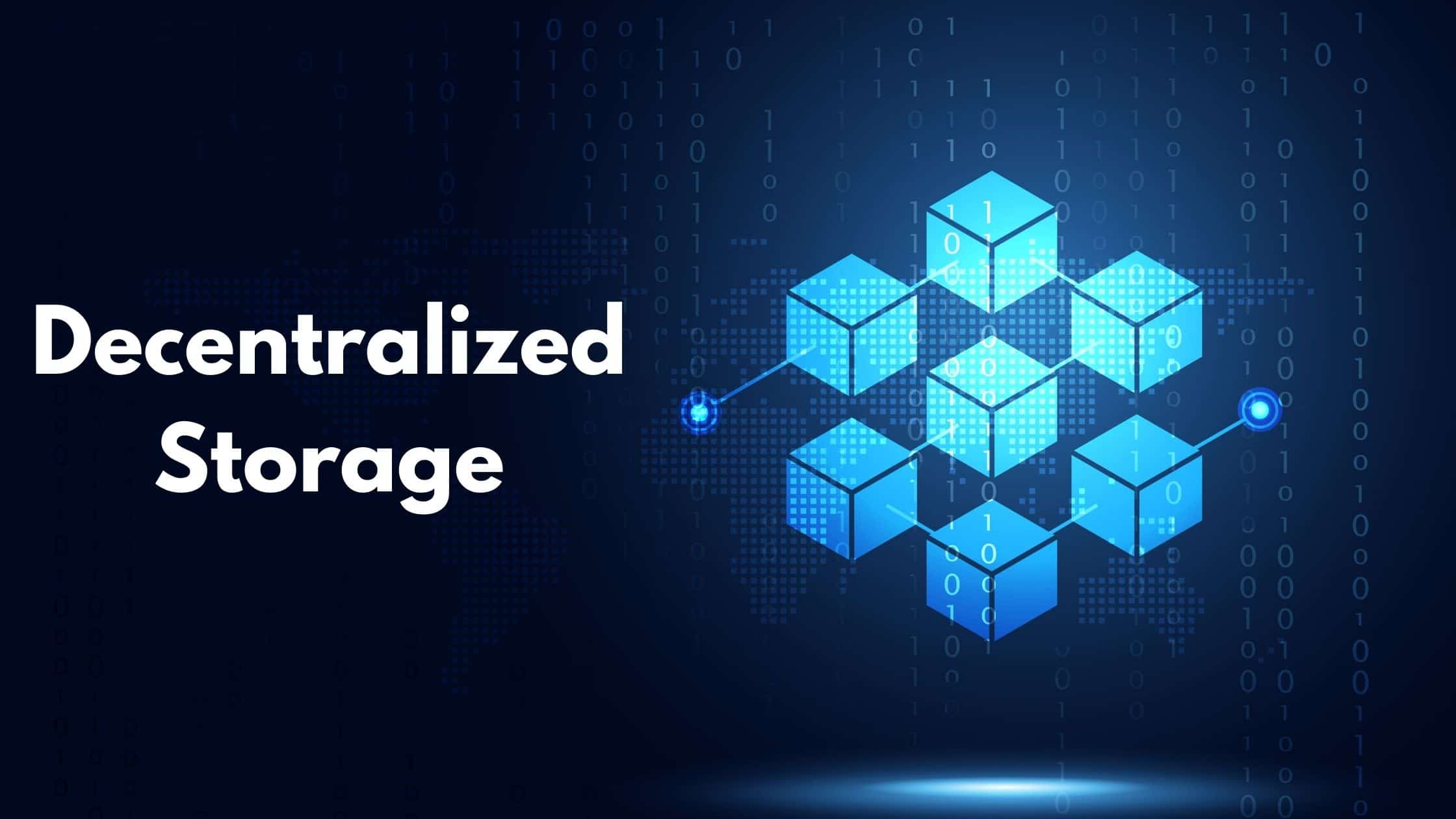
In a world that increasingly relies on digital data, the demand for secure, efficient, and accessible storage solutions has never been greater. Decentralized storage services are emerging as a transformative solution, promising to revolutionize the way we store, share, and manage data. In this blog post, we will explore the concept of decentralized storage services, their benefits, and the key players in this evolving landscape.
What Is Decentralized Storage?
Traditional data storage relies on centralized servers or data centers operated by organizations or cloud service providers. Decentralized storage, on the other hand, takes a fundamentally different approach. Instead of relying on a single central entity, data is distributed across a network of computers, often utilizing blockchain technology and encryption to ensure security and redundancy.
Benefits of Decentralized Storage Services:
- Enhanced Security: Decentralized storage services employ robust encryption and distributed data storage, making it highly secure and resistant to single points of failure. Data breaches and hacks become significantly more challenging in such a setup.
- Data Ownership: With decentralized storage, users have greater control over their data. They retain ownership and can decide who has access to it, reducing the risks associated with centralized services that may monetize or mishandle user data.
- Redundancy and Reliability: Data is replicated across multiple nodes in a decentralized network. This redundancy ensures that data remains available even if some nodes go offline, making decentralized storage highly reliable.
- Censorship Resistance: Decentralized storage services are typically resistant to censorship efforts. Information stored on such networks is distributed globally, making it difficult for any single authority to control or restrict access.
- Lower Costs: By eliminating the need for expensive data centers and reducing infrastructure costs, decentralized storage can often provide cost-effective alternatives for individuals and organizations.
Prominent Decentralized Storage Services:
- IPFS (InterPlanetary File System): IPFS is a protocol and network designed to create a content-addressable, peer-to-peer method of storing and sharing hypermedia in a distributed file system. It has gained popularity for its potential to revolutionize web content delivery and data storage.
- Filecoin: Built on top of IPFS, Filecoin is a decentralized storage marketplace that allows users to buy and sell storage space. Miners in the network earn Filecoin tokens by providing storage to the network.
- Storj: Storj is a decentralized cloud storage platform that utilizes blockchain technology and encryption to create a secure, decentralized storage network. Users can rent out their excess hard drive space to the network and earn Storj tokens in return.
- Sia: Sia is a decentralized storage platform that enables users to store data securely and privately. It uses smart contracts on the Sia blockchain to create storage contracts between users and hosts, ensuring reliability and redundancy.
- Arweave: Arweave offers permanent, decentralized storage for data and websites. It utilizes a unique blockchain-based model called the "blockweave" to store data indefinitely, making it an attractive option for preserving information over the long term.
The Future of Decentralized Storage:
Decentralized storage services are poised to disrupt the traditional data storage industry. As data privacy concerns grow, and the need for reliable, censorship-resistant storage solutions increases, decentralized storage offers a compelling alternative. Its innovative approach not only empowers users to take control of their data but also provides a sustainable and cost-effective solution for individuals and businesses alike.
In conclusion, decentralized storage services represent a significant step forward in the world of data storage. They offer enhanced security, data ownership, redundancy, and reliability, all while reducing costs and resisting censorship. As these services continue to evolve and gain wider adoption, they have the potential to reshape the way we think about data storage, putting users back in control of their digital lives.

Blockchain implementation is on pace to build technological solutions.
How would the COVID-19 scenario be handled if the world is enriched with blockchain solutions?