


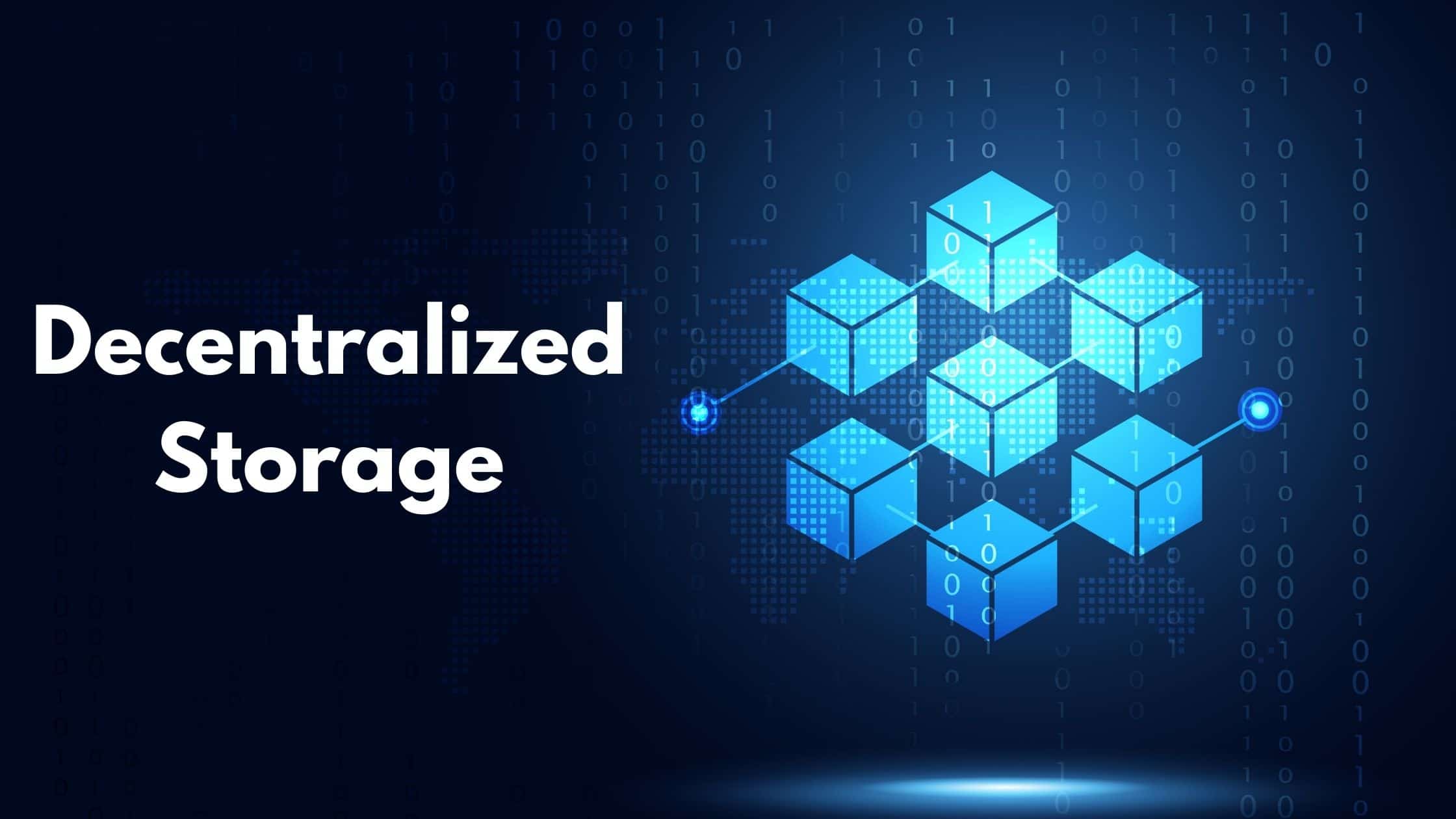
In the ever-evolving landscape of digital innovation, the convergence of Non-Fungible Tokens (NFTs) and distributed file systems is ushering in a new era of data management and ownership. NFT Distributed File Systems represent a groundbreaking paradigm shift, leveraging the unique properties of NFTs to redefine how we store, access, and monetize digital content. In this blog, we explore the key features, advantages, and potential impact of NFT Distributed File Systems on the future of digital assets.
The Fusion of NFTs and Distributed File Systems
At the intersection of blockchain technology, NFTs, and distributed file systems emerges a revolutionary concept — NFT Distributed File Systems. Unlike traditional file storage methods, where files are stored in centralized servers, this innovative approach leverages the decentralized nature of blockchain and the uniqueness of NFTs to transform how digital assets are managed.
Key Features of NFT Distributed File Systems
- Decentralization through Blockchain:
- NFT Distributed File Systems are built on blockchain technology, ensuring a decentralized and tamper-resistant environment. The use of blockchain provides a transparent and immutable ledger that tracks the ownership and history of digital assets stored within the system.
- NFTs as Digital Certificates:
- NFTs serve as digital certificates of ownership for files within the distributed system. Each NFT is unique, representing a specific digital asset, whether it's an image, video, music file, or any other digital content. This uniqueness is crucial in establishing ownership and provenance.
- Smart Contracts for Automated Transactions:
- Smart contracts, programmable self-executing contracts on the blockchain, play a pivotal role in NFT Distributed File Systems. They enable automated transactions, defining the rules for how digital assets are accessed, transferred, and monetized. This automation streamlines processes and ensures secure, trustless interactions.
- Monetization and Royalties:
- NFT Distributed File Systems introduce novel monetization models for digital content creators. Through smart contracts, artists and creators can embed royalty mechanisms into their NFTs. This means that whenever the NFT-encumbered digital asset is sold or transferred, the original creator automatically receives a percentage of the transaction value.
- Immutable and Tamper-Proof Storage:
- The decentralized and blockchain-backed nature of these file systems ensures immutability and tamper-proof storage. Once a digital asset is recorded on the blockchain and associated with an NFT, its integrity is preserved, and the ownership history is permanently stored.
Advantages of NFT Distributed File Systems
- Digital Ownership Reinvented:
- NFT Distributed File Systems empower individuals with true digital ownership. NFTs serve as verifiable certificates of authenticity, enabling users to claim ownership of unique digital assets in a transparent and provable way.
- Monetization Opportunities:
- Creators and artists can capitalize on their work more effectively through NFT Distributed File Systems. The ability to embed royalties in NFT smart contracts allows creators to earn a share of the value every time their digital assets change hands in the market.
- Decentralized Access Control:
- The decentralized nature of these file systems ensures that access control is distributed. Smart contracts define who has access to specific digital assets, allowing for granular control over permissions while eliminating the need for a central authority.
- Enhanced Security and Transparency:
- Blockchain's inherent security features, combined with the transparency of NFT Distributed File Systems, provide a secure and trustworthy environment for storing digital assets. Users can trace the entire history of an asset, enhancing transparency and reducing the risk of fraud.
Potential Impact on Digital Asset Management
- Revolutionizing Digital Art and Collectibles:
- NFT Distributed File Systems have already made a significant impact on the art world, allowing artists to tokenize their work and create a new market for digital art and collectibles. This model provides a secure and transparent way for art enthusiasts to invest in and own digital masterpieces.
- Secure and Transparent Content Distribution:
- Beyond art, these file systems can revolutionize content distribution in various industries. From music and videos to virtual goods in gaming, the secure and transparent nature of NFTs ensures fair compensation for creators and a traceable chain of ownership.
- Decentralized Content Platforms:
- NFT Distributed File Systems could pave the way for decentralized content platforms where users have greater control over their digital assets. This shift challenges the traditional centralized models dominated by content platforms, giving content creators more autonomy.
- Incentivizing Content Creation:
- The ability to embed royalties in NFTs provides a powerful incentive for content creators. Knowing that they can continue to earn from the resale of their work motivates creators to produce high-quality digital content, fostering a more vibrant and sustainable creative ecosystem.
Challenges and Considerations
While NFT Distributed File Systems offer exciting possibilities, challenges and considerations must be acknowledged. These include issues related to energy consumption in some blockchain networks, the environmental impact, and the need for broader adoption and education to ensure responsible and sustainable practices within the ecosystem.
Conclusion
NFT Distributed File Systems represent a seismic shift in how we conceive, manage, and value digital assets. By merging the unique properties of NFTs with the decentralized architecture of blockchain, these systems provide a secure, transparent, and monetizable framework for digital ownership. As the technology continues to mature, we can anticipate a paradigm shift in the digital content landscape, where creators and users alike are empowered by a more equitable and decentralized approach to managing and monetizing digital assets.


It is time for you to buckle up and take the role of a blockchain content writer seriously.
But before becoming a writer in blockchain/cryptocurrency technology, there are some things to be taken care of about the roles & achievements in the blockchain technology.Read full story here: https://steemexperts.com/ask-before-choosing-blockchain-content-writing-as-profession/