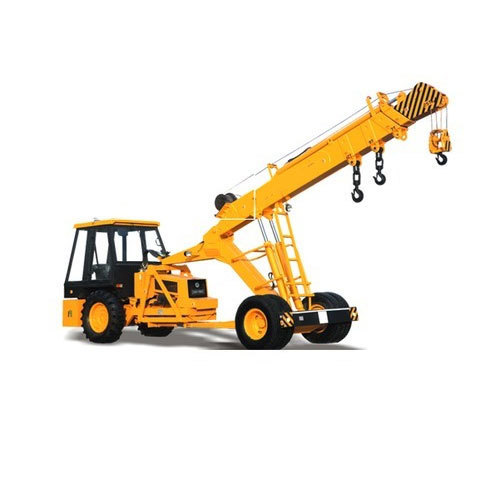
Crawler cranes are an integral part of the construction and heavy lifting industry. Their versatility and robust design make them indispensable for a wide range of projects, from building skyscrapers to lifting heavy machinery. However, their safe operation is of utmost importance to prevent accidents and ensure the well-being of workers on construction sites. This is where Safe Load Indicator for crawler cranes (SLIs) come into play. In this article, we will delve into the world of SLIs for Crawler Cranes, explaining their significance, how they work, and the impact they have on safety and efficiency.
The Significance of Safety in Crane Operations
Before we explore SLIs, it's crucial to understand why safety is paramount in crane operations. Crawler cranes, with their immense lifting capacities, can pose serious risks if not operated safely. Accidents involving cranes can result in not only property damage but also tragic human consequences. Therefore, it's essential to mitigate these risks through careful planning, proper training, and advanced safety technologies like SLIs for Crawler Cranes.
What Is a Safe Load Indicator (SLI) for Crawler Cranes?
A Safe Load Indicator for crawler cranes is a device that monitors and displays the crane's load, ensuring that it does not exceed its safe working capacity. SLIs are equipped with sensors and algorithms that calculate and continuously update the weight of the load being lifted. If the load approaches or exceeds the crane's maximum safe capacity, the SLI will alert the operator, preventing the crane from hoisting further.
How Do Safe Load Indicators Work for Crawler Cranes?
SLIs function through a combination of sensors and software. Here's a simplified explanation of their operation:
Load Sensors: These sensors are strategically placed on the crane's hook, cables, or other load-bearing components. They measure the tension in these elements, which correlates with the weight of the load.
Angle Sensors: Angle sensors detect the crane's boom angle, which impacts its lifting capacity. The angle at which the load is lifted can significantly affect the crane's stability.
Radius Sensors: Radius sensors determine the crane's outreach or working radius, as the maximum lifting capacity changes with the crane's distance from the center.
Data Processing: The Safe Load Indicator for crawler cranes collects data from these sensors and processes it in real-time. It calculates the load moment (the product of the load weight, radius, and boom angle) to determine the crane's capacity.
Display and Alarms: The SLI displays the current load weight, radius, and load moment on a screen inside the crane's cabin. If the load approaches or exceeds the safe working capacity, the SLI triggers alarms to alert the operator.
The Impact of SLIs on Crawler Crane Safety
The integration of SLIs for Crawler Cranes into crawler crane operations has had a profound impact on safety and efficiency. Let's explore the positive changes they bring to the industry:
1. Accident Prevention:
SLIs play a crucial role in preventing accidents related to overloading, which is a common cause of crane mishaps.
By providing real-time data to operators, Safe Load Indicator for crawler cranes enable them to make informed decisions and avoid dangerous situations.
2. Operator Training:
SLIs also contribute to operator training by enhancing their understanding of load capacities and safe operating practices.
The alarms and warnings generated by SLIs serve as educational tools for operators, helping them develop better judgment.
3. Improved Efficiency:
SLIs enhance efficiency by enabling operators to work closer to the crane's maximum capacity without exceeding it.
This allows for faster and more productive crane operations, ultimately saving time and costs.
4. Compliance with Regulations:
Many countries and regions have stringent regulations regarding crane safety. SLIs for Crawler Cranes help crane operators comply with these standards by ensuring safe load handling.
5. Reduced Downtime:
Accidents and equipment damage due to overloading can result in significant downtime and repair costs. SLIs reduce the likelihood of such incidents.
Legislation and SLIs for Crawler Cranes
The importance of Safe Load Indicator for crawler cranes operations is underscored by various legislations and industry standards. In many countries, it is mandatory to install and use SLIs in cranes, especially those used in construction and other industries. These regulations are put in place to minimize the risks associated with crane operations and to ensure the safety of workers and the public.
Challenges in SLI Implementation
While SLIs for Crawler Cranes offer numerous benefits, there are challenges associated with their implementation:
1. Maintenance and Calibration:
SLIs require regular maintenance and calibration to ensure accuracy. This can be time-consuming and may result in downtime for crane operations.
2. Operator Training:
Proper operator training is crucial to make the most of SLIs. Operators need to understand how to interpret the data provided by the SLI and respond appropriately.
3. Cost Considerations:
The initial cost of purchasing and installing SLIs for Crawler Cranes can be a significant investment. However, it is typically justified by the long-term safety and efficiency benefits.
Conclusion
Safe Load Indicators (SLIs) for crawler cranes have revolutionized the safety and efficiency of crane operations. These devices provide real-time data on load weight, radius, and load moment, enabling operators to work within safe limits, prevent accidents, and enhance overall efficiency. With the ever-increasing importance of safety in heavy lifting industries, Safe Load Indicator for crawler cranes have become a vital tool in minimizing risks and ensuring that crane operations are carried out with the utmost care and precision.