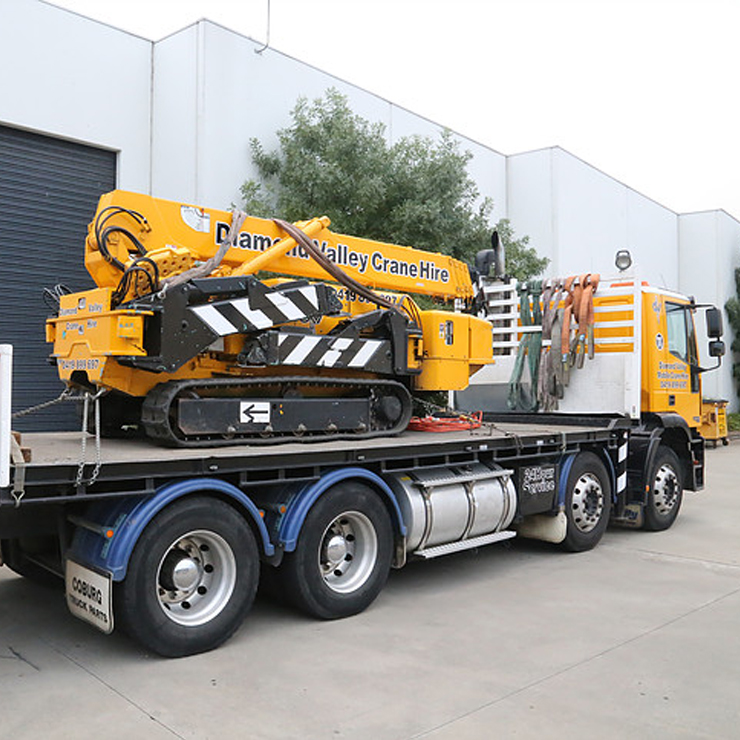
The operation of hydra cranes, often used in construction, heavy lifting, and industrial settings, involves significant risks due to the large loads they handle. Ensuring both operator safety and crane efficiency is of paramount importance. One essential component that plays a crucial role in achieving these goals is the Safe Load Indicator (SLI) designed for hydra cranes. In this article, we will explore the importance and impact of Safe Load Indicators for hydra cranes and how they are instrumental in maintaining the safety of operations while optimizing crane efficiency.
Understanding Safe Load Indicators for Hydra Cranes
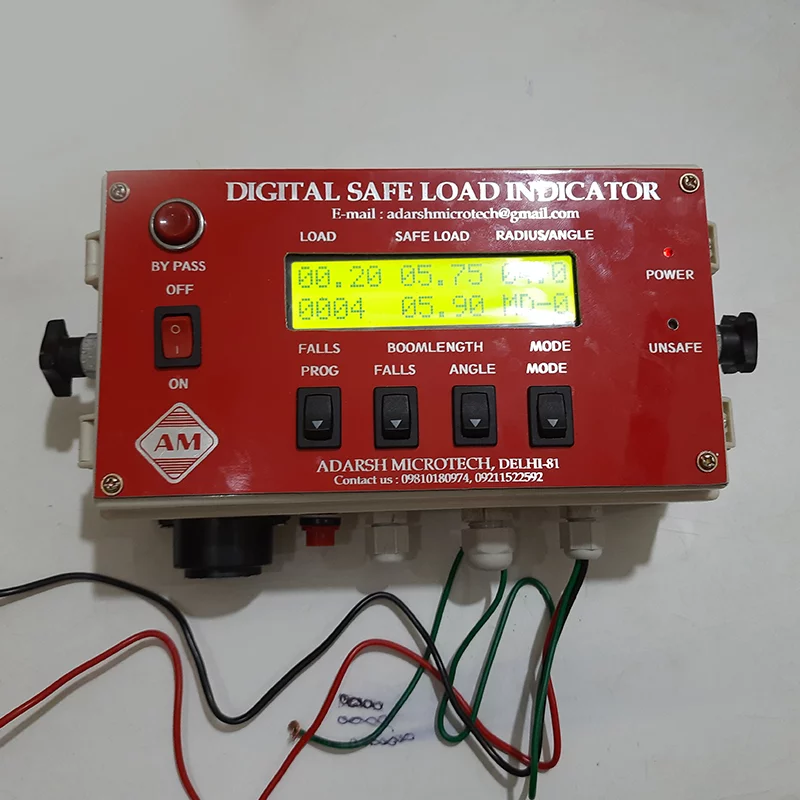
A Safe Load Indicator, commonly referred to as an SLI for hydra cranes, is a sophisticated piece of equipment that provides operators with critical data necessary to determine the safe working load (SWL) of a hydra crane during lifting operations. These indicators are designed to monitor and display information such as the load's weight, boom angle, and other parameters, ensuring that the crane operates within a safe range.
The Significance of Operator Safety
Ensuring the safety of crane operators is of paramount importance in any lifting operation. Operating hydra cranes, especially in complex construction environments or industrial settings, involves handling heavy loads, and a minor error in judgment can result in catastrophic accidents. Safe Load Indicators are designed to mitigate these risks.
Preventing Overload: The primary function of an SLI for hydra cranes is to prevent the crane from lifting loads that exceed its safe capacity. It continuously monitors the load, and if it approaches or exceeds the safe limit, it triggers alarms, halts the operation, or automatically adjusts the crane's functionality to maintain safety.
Boom Angle Monitoring: The SLI also monitors the crane's boom angle. If the boom angle exceeds safe limits, it can lead to instability and potential tipping of the crane. The SLI alerts operators to maintain a safe boom angle, reducing the risk of accidents.
Load Stability: SLI for hydra cranes help operators ensure the load's stability during lifting and lowering, preventing unexpected swinging, which can damage both the load and the crane or even lead to accidents.
The Impact on Crane Efficiency
While the primary purpose of Safe Load Indicators is to ensure operator safety, they also have a significant impact on crane efficiency:
Optimized Workflow: By providing real-time data on the crane's load and operating conditions, SLIs enable operators to work more efficiently and accurately, reducing the risk of operational delays due to misjudgments.
Prevent Downtime: The automatic shut-off feature of SLI for hydra cranes prevents overloading and unsafe operations. This prevents damage to the crane and, subsequently, costly downtime for repairs.
Resource Management: Accurate load monitoring helps in efficient resource management, reducing the need for extra personnel to manage complex lifting operations.
Compliance with Regulations and Standards
Using Safe Load Indicators for hydra cranes is not only beneficial but also a legal requirement in many regions. Various safety standards and regulations dictate the use of SLI for hydra cranes to ensure crane safety. Compliance with these regulations is essential for businesses involved in crane operations.
Occupational Safety and Health Administration (OSHA): In the United States, OSHA mandates the use of SLIs for cranes to protect workers and prevent accidents.
International Standards: Globally, various international standards, such as ISO 12480-1:2006 for mobile cranes and ISO 15999-2:2007 for offshore cranes, provide guidelines and requirements for the use of Safe Load Indicators.
Local Regulations: Many regions and countries have their specific regulations concerning crane safety, and adherence to these regulations often includes the use of SLIs.
Challenges and Considerations
While Safe Load Indicators are an invaluable tool, there are challenges and considerations to keep in mind:
Training: Proper training is essential for crane operators to effectively use SLI for hydra cranes . They need to understand the device's functionalities and how to respond to its warnings.
Maintenance: Regular maintenance and calibration of the SLI are crucial to ensure its accuracy and reliability.
Integration: For existing crane fleets, the integration of SLIs may require some investment. It's important to assess the cost-effectiveness of retrofitting versus replacement.
Conclusion
Safe Load Indicators for hydra cranes are indispensable tools in the construction, industrial, and heavy lifting sectors. They play a dual role, ensuring the safety of crane operators while optimizing the efficiency of lifting operations. By preventing overloads, monitoring boom angles, and maintaining load stability, SLI for hydra cranes significantly reduce the risk of accidents and operational downtime. Compliance with local and international regulations is essential, making the use of SLIs a legal requirement in many regions. In the evolving world of heavy lifting, Safe Load Indicators for hydra cranes remain a key component in achieving both safety and efficiency in crane operations.