Critical care treatment in Florida has come a long way in recent years, offering patients and their families hope and healing in times of medical crisis. However, many myths and misconceptions continue to surround this crucial aspect of healthcare, which can be unsettling for those already grappling with the stress of a loved one's health. In this article, we'll address some common misunderstandings and provide you with essential information about critical care. Let’s dive in:
Myth 1: Critical Care Is Only for the Extremely Ill
One significant misconception about critical care is that it's solely for patients in life-threatening conditions. The truth is that critical care encompasses a wide range of medical conditions and needs. It extends support to individuals dealing with severe injuries, post-surgery recovery, and those battling serious illnesses. Critical care units are equipped to address a variety of cases, not just the gravest.
Myth 2: Critical Care Is Isolating for Patients
Another misunderstanding is that critical care units are isolating, sterile environments where patients are left alone. In reality, critical care teams work tirelessly to provide both medical treatment and emotional support. They understand the importance of family involvement and strive to create a nurturing atmosphere for patients and their loved ones.
Myth 3: Critical Care Treatment Always Requires Invasive Procedures
While some critical care situations may necessitate invasive procedures, not all treatments are invasive. Critical care physicians explore a variety of approaches to ensure the well-being of their patients. They utilize advanced technologies and medical expertise to provide the most suitable care for each individual.
Myth 4: Critical Care Units Are Always High-Stress Environments
It's natural to assume that critical care units are high-stress environments, but this isn't always the case. Healthcare professionals in critical care are trained to manage pressure while delivering exceptional care. Their primary focus is on patient recovery and providing families with the support and information they need during this challenging time.
The Importance of Clear Communication:
Clear communication is a cornerstone of effective critical care treatment. Patients and their families should feel comfortable asking questions, seeking clarification, and discussing their concerns with the healthcare team. Remember, you are an active participant in the care of your loved one, and your input matters.
Choosing the Right Pulmonary Disease Specialists:
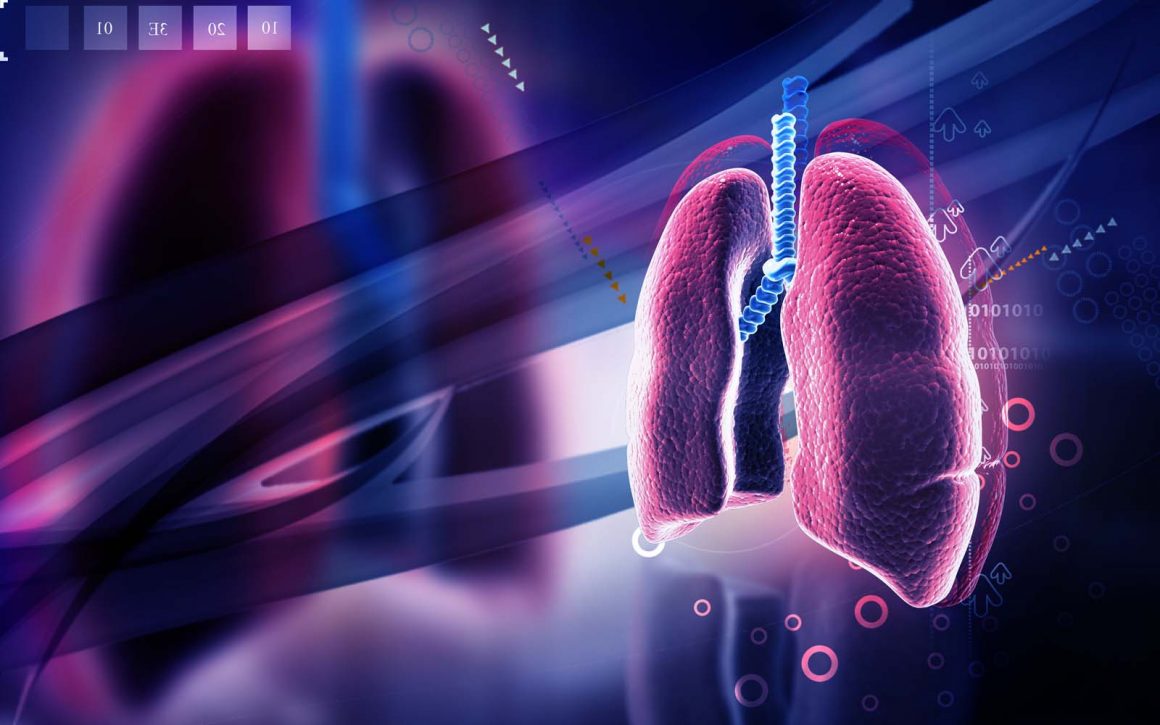
In Florida, when faced with a critical care situation related to pulmonary diseases, it's essential to select the right pulmonary disease specialists. These healthcare professionals have specialized expertise in treating lung-related critical care cases. They play a vital role in ensuring that patients receive the most appropriate care tailored to their condition.
Wrap-Up:
Critical care is a complex but essential component of healthcare, and it's crucial to dispel the myths and misconceptions that can cause undue stress for patients and their families. Understanding the realities of critical care treatment in Florida and knowing that you have a caring team of healthcare professionals by your side can provide comfort and reassurance during challenging times. Remember, you are not alone on this journey, and your loved one's well-being is the top priority of the dedicated critical care teams in Florida.


The worldwide famous document and collaboration management system is Sharepoint that already used by 190 million people.
For managing, storing, and organizing essential business documents, Microsoft SharePoint is the best choice.
This tool will help you to make the business document safe and protected from overwriting and deletion.
This tool includes web-friendly features, handy product features, and robust security infrastructures.
Read More at : https://bit.ly/39AI5evFollow Us onAppsinvo | Behance | Facebook | Instagram | Linkedin | Dribbble | Twitter | Tumblr | Pinterest | Flickr