




The Role of Tractor Harrow in Indian Agriculture: A Comprehensive Overview
Welcome to our comprehensive overview of the role of tractor harrow in Indian agriculture. As a tractor user or someone involved in the field of agriculture, understanding the importance of tractor harrow and its various applications can greatly benefit your farming practices. In this article, we will delve into the functions, types, benefits, and maintenance of tractor harrow, and how it plays a crucial role in Indian agriculture.
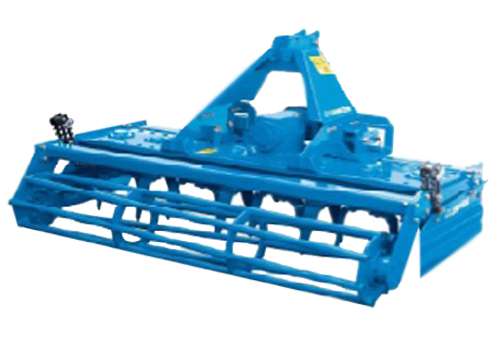
But first, let us understand what a tractor harrow actually is. A harrow is an implement that is attached to a tractor and used for breaking up and smoothing the soil, leveling the ground, removing weeds, and preparing the field for planting crops. It consists of sturdy metal teeth or discs that are dragged across the ground to perform these tasks. Now, let's dive deeper into its role in Indian agriculture.
Functions of Tractor Harrow
1. Soil Preparation:
One of the primary functions of a tractor harrow is to prepare the soil for cultivation. It breaks up the soil clods, removes stones, and levels the ground, creating an optimal environment for planting crops. By loosening the soil, it enhances water and nutrient absorption, promoting healthy plant growth. This function is crucial in Indian agriculture, where soil conditions can vary significantly across different regions.
2. Weed Control:
Another important function of tractor harrow is weed control. Weeds can hinder crop growth by competing for nutrients, water, and sunlight. By using a harrow, farmers can uproot and bury the weed plants, preventing them from regrowing. This eliminates the need for manual weeding, saving both time and labor. Given the labor-intensive nature of Indian agriculture, efficient weed control is highly beneficial.
3. Seedbed Preparation:
A well-prepared seedbed is essential for ensuring proper seed germination and early crop growth. Tractor harrow plays a crucial role in seedbed preparation by breaking up the soil, removing clumps, and creating a smooth surface. This allows for better seed-to-soil contact, improving seedling emergence and overall crop establishment.
4. Residue Management:
In Indian agriculture, the management of crop residues is of utmost importance to maintain soil fertility and prevent pest and disease outbreaks. Tractor harrows are designed to incorporate crop residues into the soil, promoting their decomposition and nutrient release. By effectively managing crop residues, farmers can enhance soil health and reduce the need for chemical fertilizers.
Types of Tractor Harrows
There are several types of tractor harrows available in the market, each designed for specific purposes. Here are some commonly used types:
1. Disc Harrow:
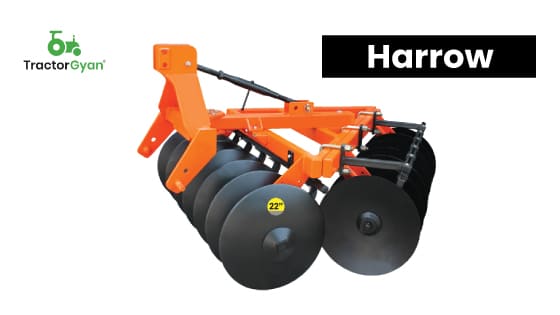
The disc harrow is one of the most widely used types of tractor harrows in India. It consists of a series of concave metal discs that cut, break, and mix the soil. Disc harrows are highly effective in breaking up heavy and compacted soils, making them suitable for regions with clayey or loamy soil types. They are especially useful for preparing the soil in crop fields after harvest.
2. Spring-tooth Harrow:
Spring-tooth harrows are equipped with spring-like teeth that penetrate the soil and break it up. They are particularly useful for removing weeds and leveling the soil surface. These harrows are commonly used in the early stages of crop growth to control weeds and create a suitable seedbed.
3. Chain Harrow:
Chain harrows consist of a series of chains with pointed teeth that are dragged across the soil surface. They are versatile and can be used for a wide range of applications, including spreading manure, levelling the soil, breaking up clods, and incorporating crop residues. Chain harrows are highly efficient and suitable for different soil types.
4. Spike Tooth Harrow:
Spike tooth harrows have metal spikes or teeth that can be adjusted to various depths. They are primarily used for breaking up smaller clods, leveling the soil, and preparing the seedbed. Spike tooth harrows are versatile and can be used for both light and heavy soil conditions.
Benefits of Using Tractor Harrow
Now that we have explored the functions and types of tractor harrows, let's discuss the benefits of incorporating this essential implement into Indian agriculture:
1. Increased Productivity: Tractor harrows contribute to increased productivity by preparing the soil efficiently, reducing weed competition, and improving seed-to-soil contact. This sets the stage for healthy crop growth and higher yields.
2. Saves Time and Labor: By automating soil preparation and weed control, tractor harrows save significant time and labor compared to manual methods. This allows farmers to allocate their resources more effectively and focus on other farming activities.
3. Promotes Soil Health: Tractor harrows help in better residue management, which enhances soil fertility and reduces the need for synthetic fertilizers. Additionally, by improving soil structure, they promote proper water infiltration and retention, reducing soil erosion.
4. Cost-Effective: While tractor harrows may involve an initial investment, their long-term benefits outweigh the costs. Increased productivity, reduced labor requirements, and enhanced soil health contribute to cost-effectiveness in the long run.
Maintenance and Care
Proper maintenance and care are essential to ensure the longevity and optimal performance of tractor harrows. Here are some key maintenance practices:
1. Regular Cleaning: After each use, clean the harrow thoroughly to remove any soil or plant debris that may have accumulated. Pay special attention to the teeth or discs and remove any clogged material that may affect their functionality.
2. Inspection and Repair: Regularly inspect the harrow for any signs of wear or damage. Replace any worn-out parts promptly to maintain optimal performance. Lubricate moving parts to minimize friction and prevent rusting.
3. Storage: Properly store the harrow in a dry and covered area to protect it from the elements. Consider using a tarp or cover to further shield it from moisture and dust.
4. Professional Servicing: Periodically consult a professional for servicing and fine-tuning of the harrow. They can identify and address any underlying issues before they escalate.
In conclusion, the tractor harrow plays a vital role in Indian agriculture by contributing to soil preparation, weed control, seedbed preparation, and residue management. Its functions are crucial for ensuring successful crop growth and higher yields. By understanding the different types, benefits, and maintenance practices of tractor harrows, tractor users and individuals involved in agriculture can make informed decisions and optimize their farming practices.
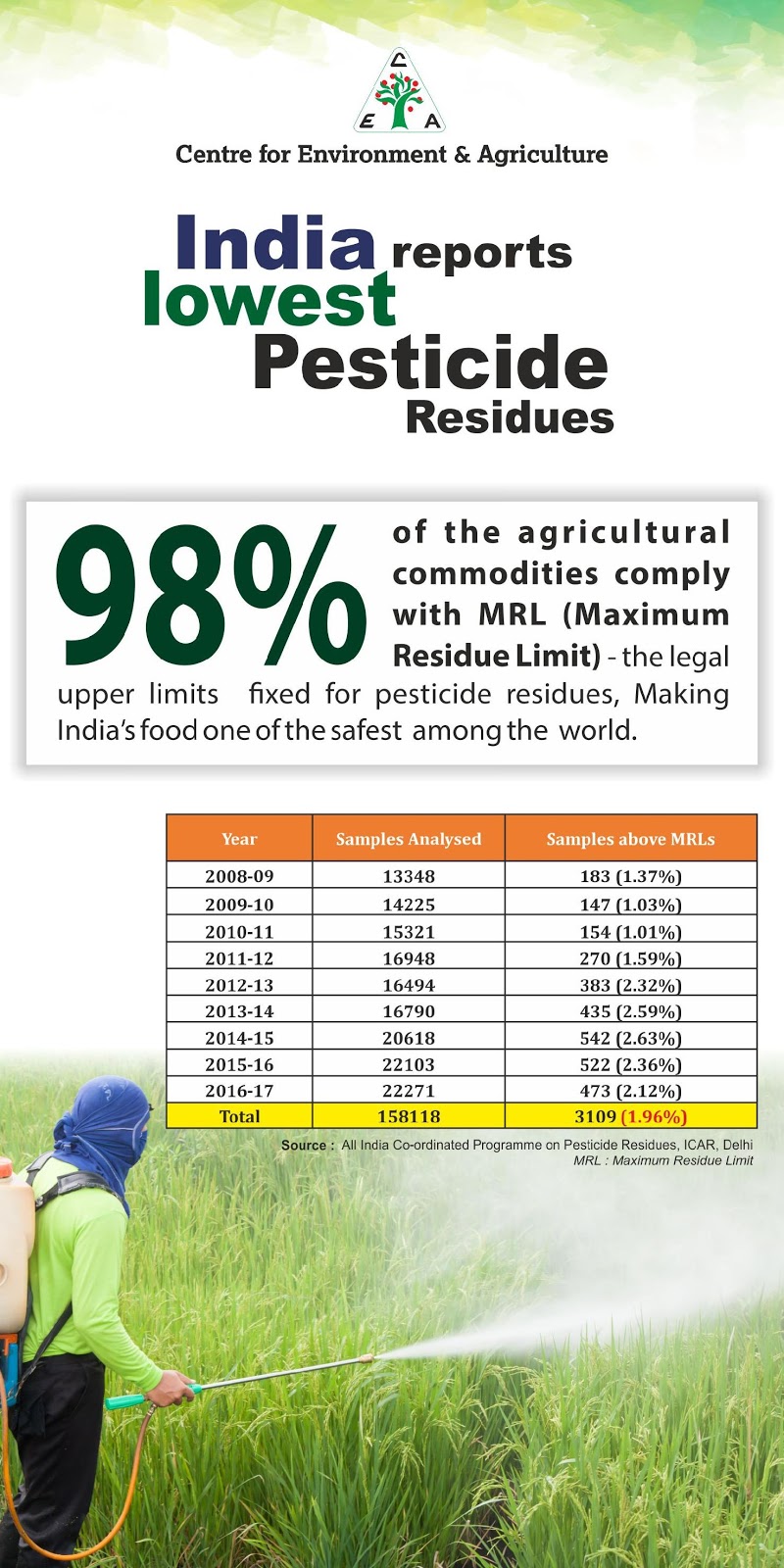
Centre for Environment and Agriculture (CENTEGRO) is a Mumbai based not for profit organization active in producing policy advocacy papers focused on improving India’s farm economy.Poster on India’s Pesticide Residues Uses